

Supplier onboarding is the short stretch between approving a supplier and running the part as routine production, and it is where most first orders go sideways. The quote was priced against one reading of the drawing, the shop floor works from another, and nobody agreed which features get measured or who signs off on them. The part arrives, the report does not match what you expected, and the argument starts over a detail that ten minutes of setup would have settled.
The work is unglamorous: confirm revisions, fix inspection expectations, name the documents, agree the packaging. Skipping it does not save time; it moves the cost to receiving.
What Supplier Onboarding Covers That Selection Does Not
Selection answers one question: can this shop make the part? Onboarding answers a different one: does the shop have what it needs to make the part the same way next month?
Four things have to cross over before the first PO, and each is a document rather than a conversation. The technical handover fixes which drawing revision and model are being made. The quality handover fixes which characteristics are checked, in what form, and by whom. The logistics handover fixes how parts are packed, labeled and accompanied. The commercial handover fixes how changes, shortfalls and returns are handled.
A shop that receives a drawing and a quantity has been told what to make. It has not been told what you will accept.
Documents to Send With the First Purchase Order
Typical practice is to send a package covering seven items: the drawing at a named revision, a STEP model of that same revision, the material specification including condition or temper, the finish specification with its standard and class, quantity with any batch split, the list of documents required with the shipment, and the packaging and labeling requirement.
A frequent defect in that package is a mismatch between the PDF and the model. One carries a chamfer the other does not, or a note superseded months ago. Ask the supplier to read the revision number back in writing before quoting from it. That single step prevents a whole lot from being made to the wrong print.
If the RFQ you sent was thin, the first order inherits the gap. A solid CNC machining RFQ structure works well as the cover sheet for a first order, because it forces quantity, inspection requirements and commercial terms onto one page.
For repeat parts, attach the last inspection report. It tells a new supplier what the part has to fit into, which no drawing does.
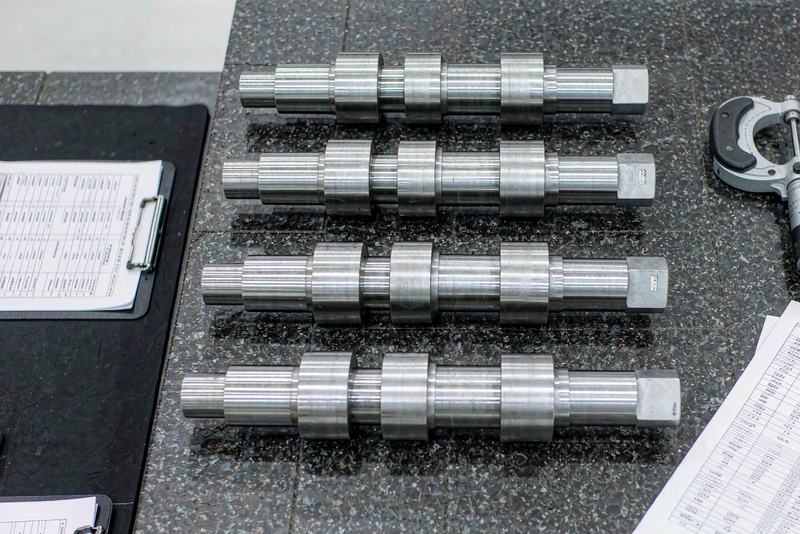
Agreeing the Inspection Plan Before the First Chip Is Cut
The inspection plan is where onboarding quietly succeeds or fails. Before cutting metal, settle three things: which characteristics are critical, what record proves them, and who performs the measurement.
Critical characteristics usually number fewer than the drawing suggests. Pick the ones tied to function — a bore that takes a bearing, a face that seals, a hole pattern that locates a mating part — and say so. A supplier who knows which four features matter spends attention there instead of spreading it across forty.
Then agree the form of the record. A dimensional report with no datum note is hard to compare from lot to lot. On parts with tight geometry, the measurement method carries as much weight as the tolerance itself: datum setup, probe access and workholding can produce two defensible numbers from the same part, depending on material, geometry and inspection requirements.
First article belongs on the first piece of the first lot, not after the lot is complete — the difference between reworking one part and scrapping fifty. What to check once the shipment lands is covered in this guide to incoming inspection for machined parts.
A Ramp-Up Schedule That Fits a First Order
| Stage | What gets confirmed |
|---|---|
| Before PO | Drawing revision, material condition, finish class, document list |
| First piece | First article on critical characteristics, before the balance runs |
| First lot close | Packaging and labels as specified, certificates attached |
| Second order | Any process or drawing change reviewed in writing |
The schedule is short on purpose. Each line needs a date; a first article that drifts past the ship date stops being a gate and becomes paperwork.
Packaging, Labeling and Document Handover
A label carries six things: part number, revision, lot, quantity, order number and date. Where those are missing, receiving rebuilds them by hand, and every hour spent identifying parts is an hour not spent measuring them.
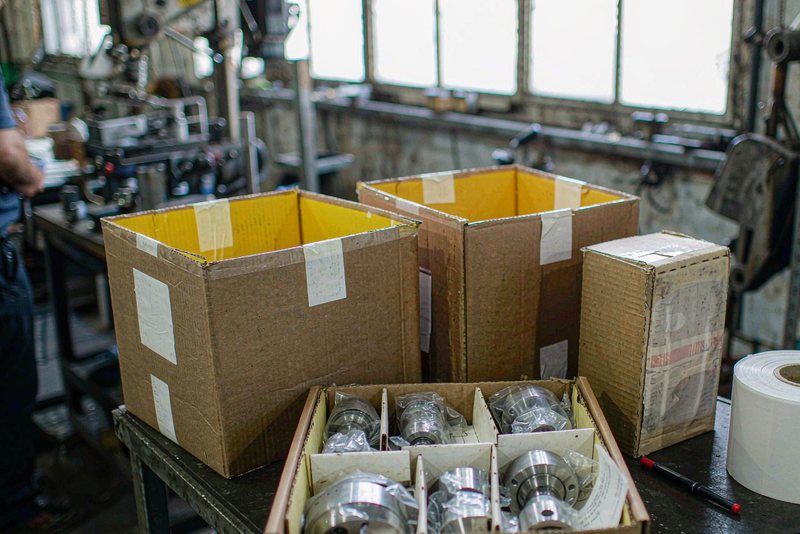
Documents travel with the parts rather than in an email a week later: material certificate, inspection report, finish certificate where the specification calls for one, and a packing list that matches the carton count. The packaging choices that protect machined surfaces are easier to hold a supplier to when they sit in the order rather than in a phone call.
Warning Signs in the First 30 Days
Onboarding problems surface early and usually in communication rather than in the parts.
- Drawing questions arrive by phone and rarely get written confirmation.
- The first article appears after the full lot is finished.
- The inspection report lists dimensions but skips the ones you called critical.
- Packaging or labeling differs from the specification, and nobody mentioned it.
- A feature is altered to make it easier to machine, with no change note.
The last one is the serious one: it signals a shop that treats the drawing as a starting suggestion, and it deserves a written correction before the next order. When a deviation has already shipped, the non-conformance report process keeps it from repeating.
An Onboarding Checklist You Can Send Today
- One drawing revision named, with the model at the same revision.
- Material condition and finish class written into the order, not implied.
- Critical characteristics listed, with the report format agreed.
- First article scheduled before the balance of the lot.
- Packaging, labeling and document list attached to the order.
None of this needs new software. It needs a buyer and a supplier to agree, in writing and in advance, what a good shipment looks like. Done once, the second order is a repeat. Skipped, every order renegotiates the same details with less goodwill.