
Hardened Conductive Materials
Cut hardened tool steels and other electrically conductive metals without conventional cutting force.
Drawing-reviewed wire cutting for conductive metals, hardened parts, closed internal profiles, narrow slots and tapered features.
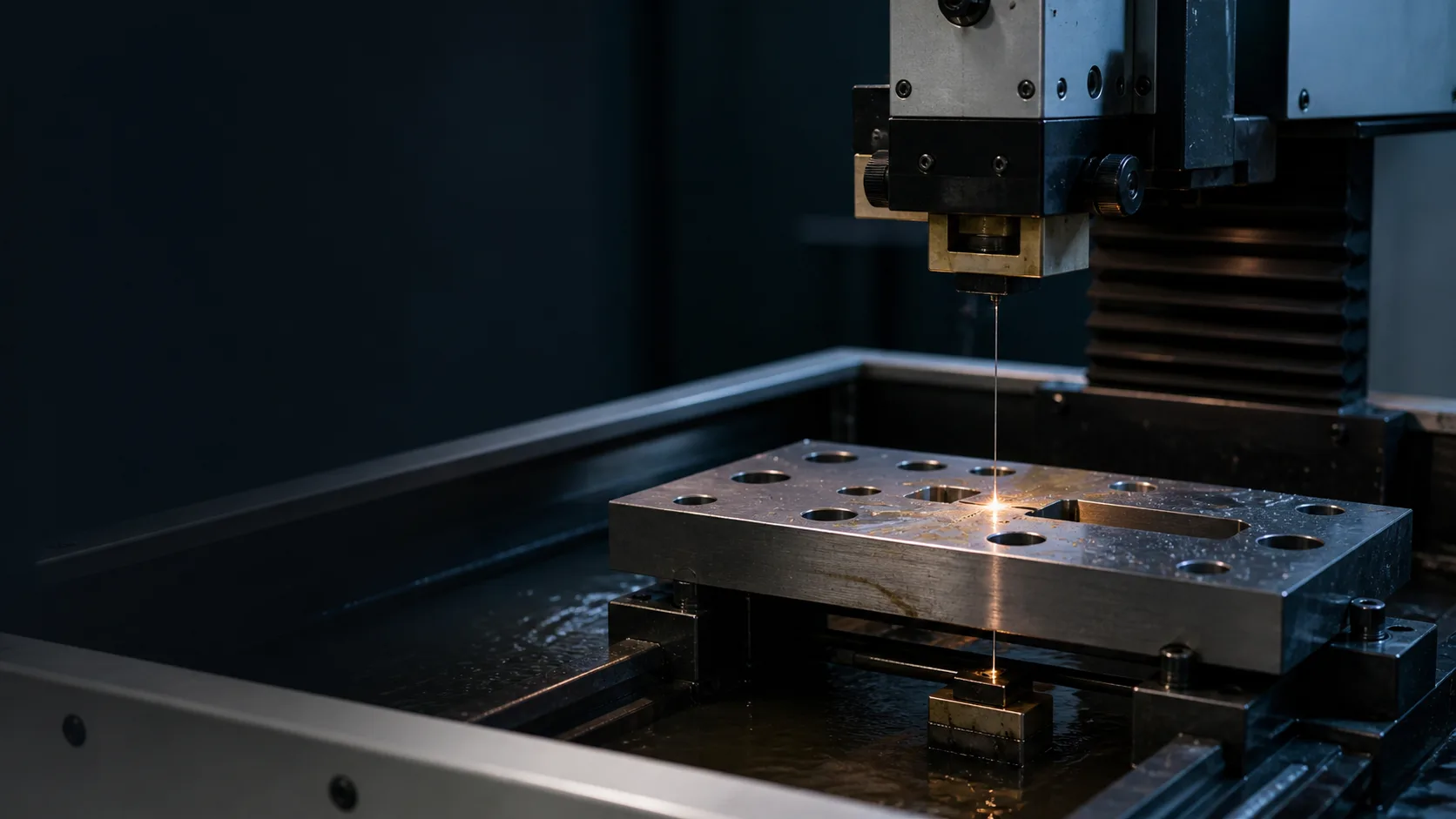
HongKe's confirmed equipment list includes 13 Wire EDM machines. Model records help us allocate work; feasibility remains subject to material, geometry, thickness, fixturing and drawing review.
| Equipment model | Size listed in equipment record (mm) | Quantity |
|---|---|---|
| DK7735 | 350 × 450 mm | 6 |
| DK7735 (B) | 350 × 550 mm | 1 |
| DK7745 (B) | 450 × 650 mm | 5 |
| DK7763 (C) | 630 × 1200 mm | 1 |
Recorded machine specification. Final workpiece dimensions and process suitability are confirmed after drawing review.
Final workpiece size, thickness, taper, tolerance and cutting strategy are confirmed against the drawing and selected machine.
Upload Drawing for Capability Review →Wire EDM is considered when electrically conductive material, geometry or low-force cutting requirements make conventional tooling less suitable.
Cut hardened tool steels and other electrically conductive metals without conventional cutting force.
Review narrow sections and delicate profiles where low cutting force helps protect the geometry.
Produce intricate contours and slots that are difficult to reach with a rotating tool.
Plan profiles, slots and positions from drawing-defined datums and inspection requirements.
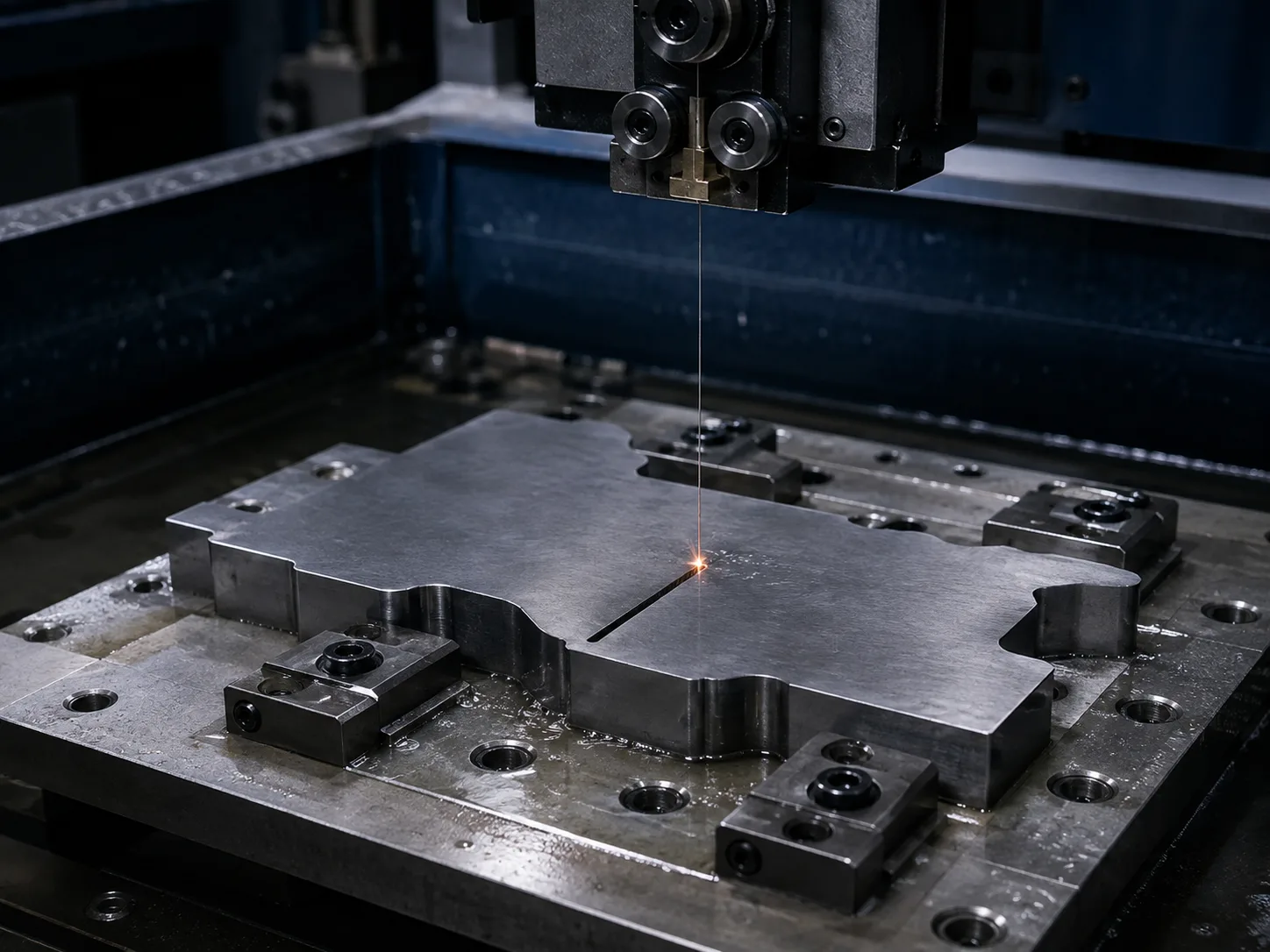
External shapes, contours and narrow features reviewed from the drawing.
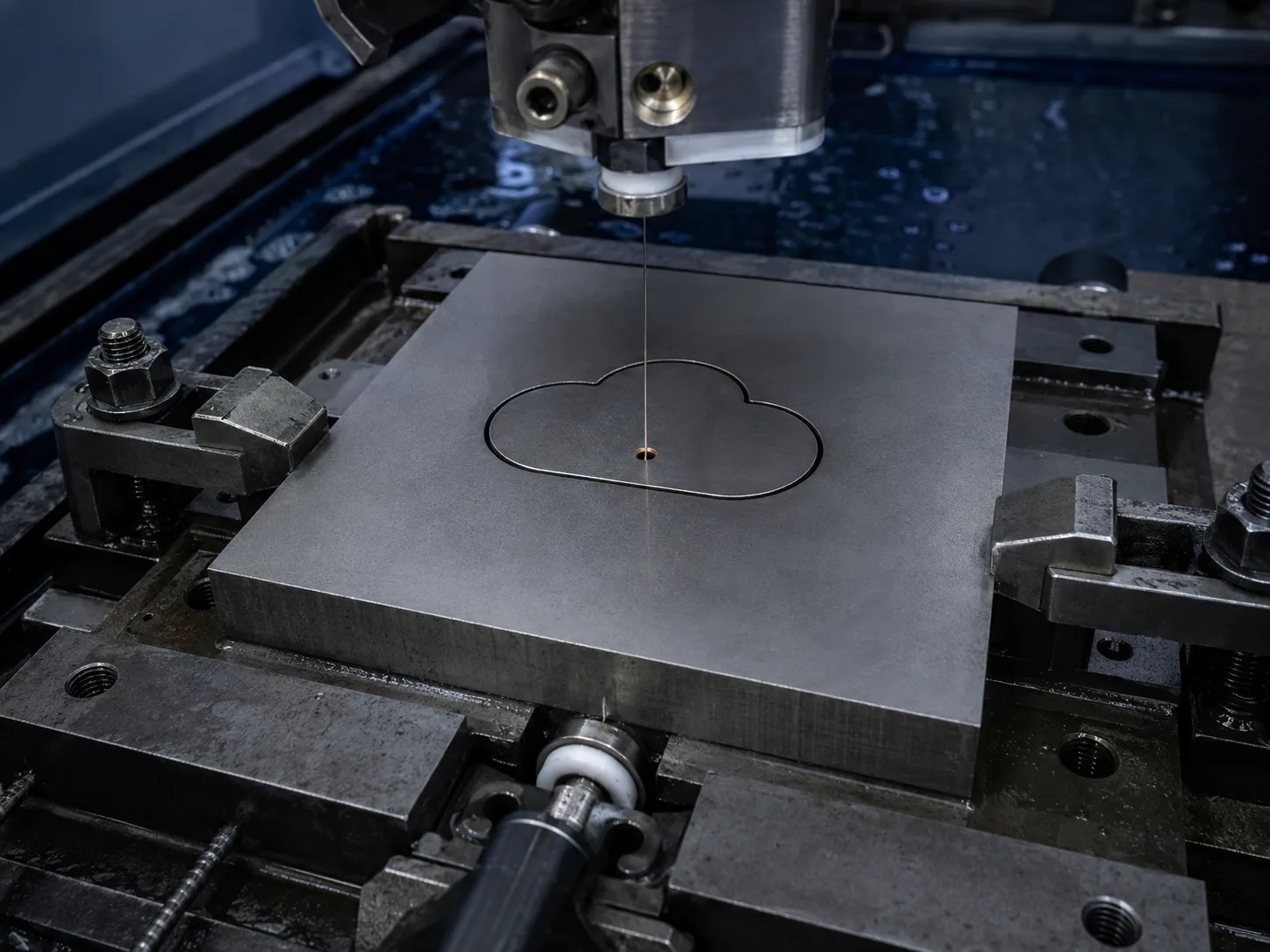
Start-hole drilling is available for closed internal profiles after drawing review.
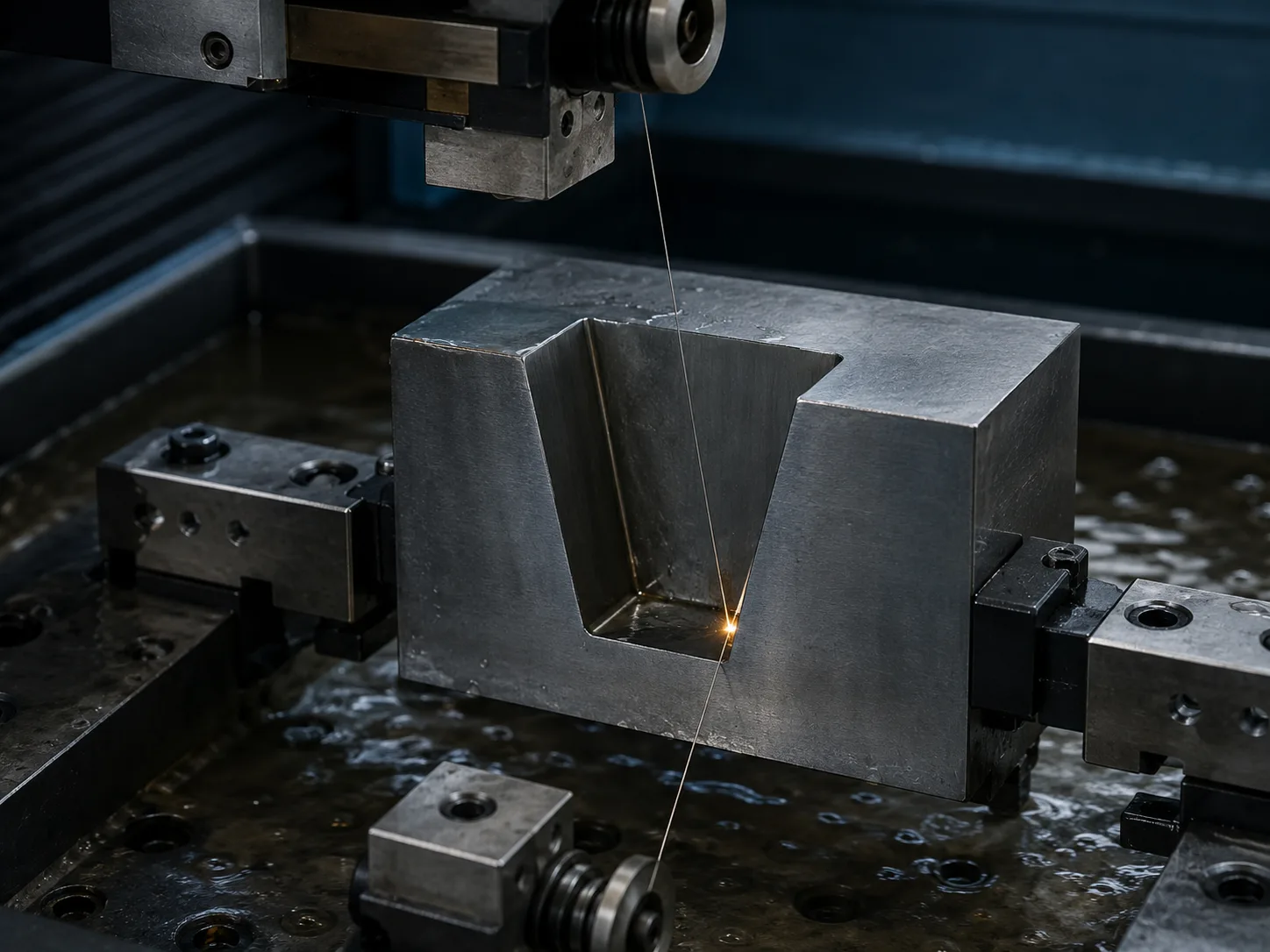
Typical taper review: up to ±3° over 80 mm; confirmed against the selected machine, workpiece thickness and drawing.
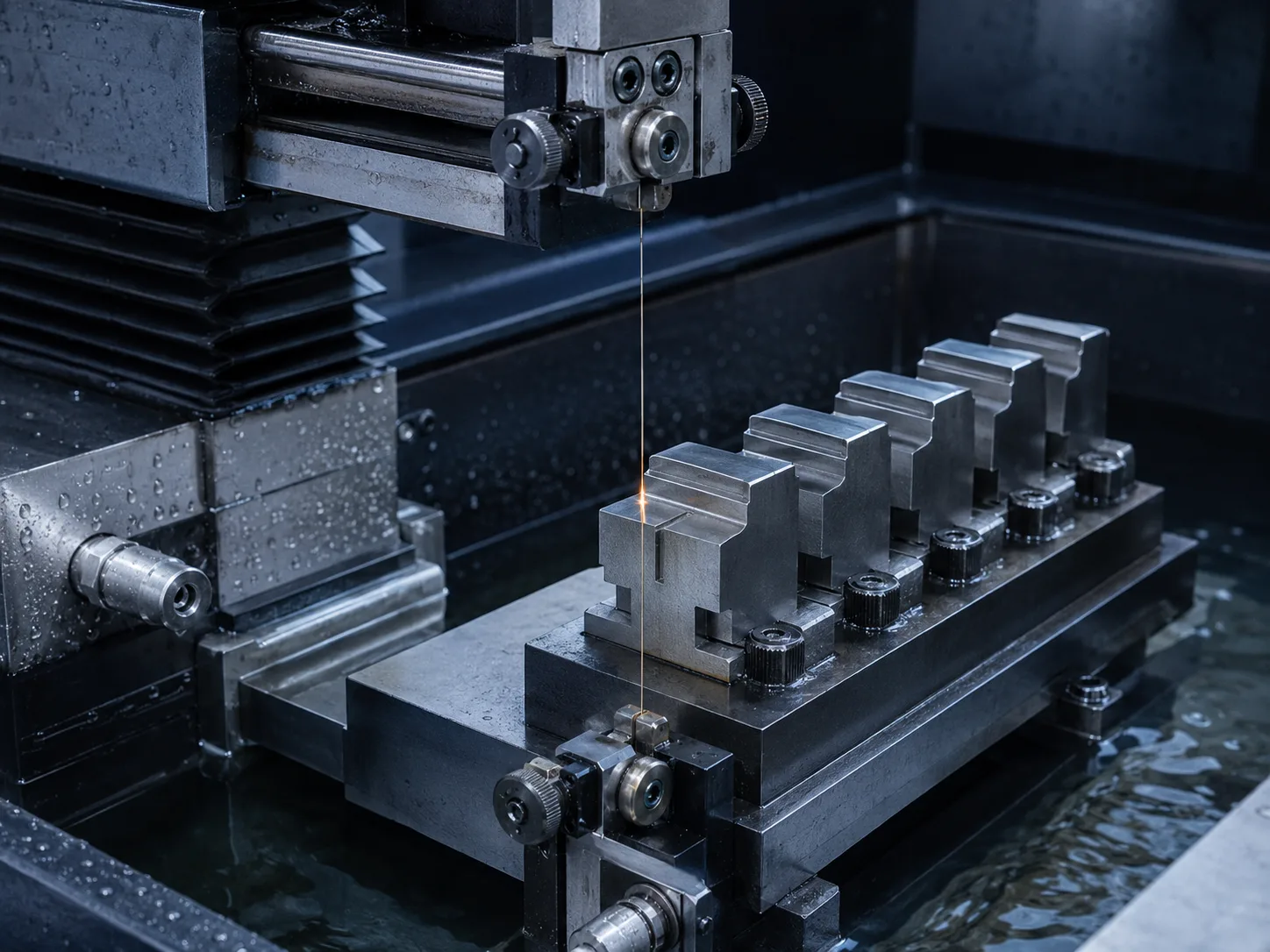
Drawing review for one-off parts, pilot quantities and repeat orders.
Generated geometry studies show the kinds of features that can be reviewed; they are not customer parts or project records.
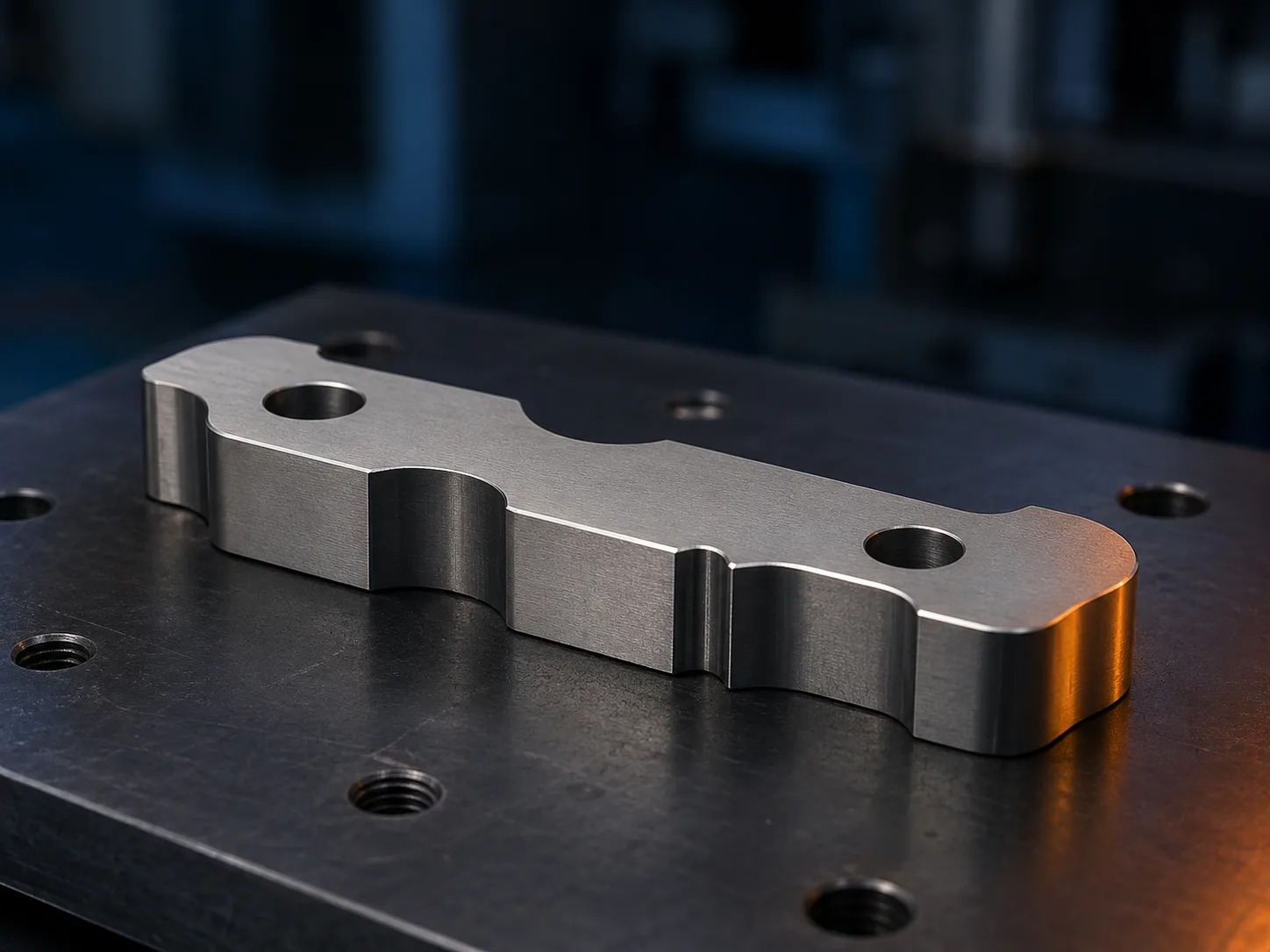
Intricate outlines, reliefs and locating features.
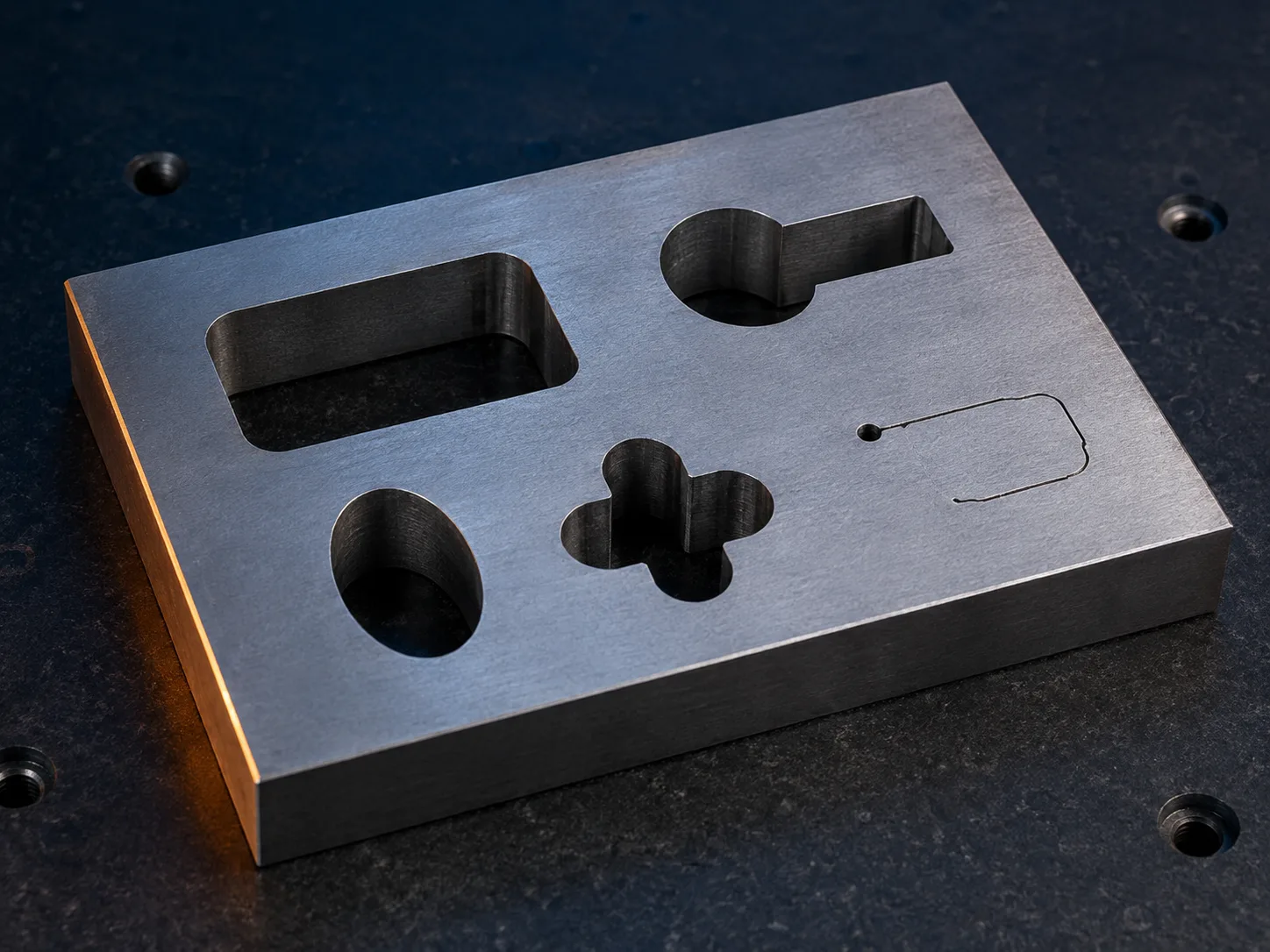
Closed contours reached through reviewed start holes.
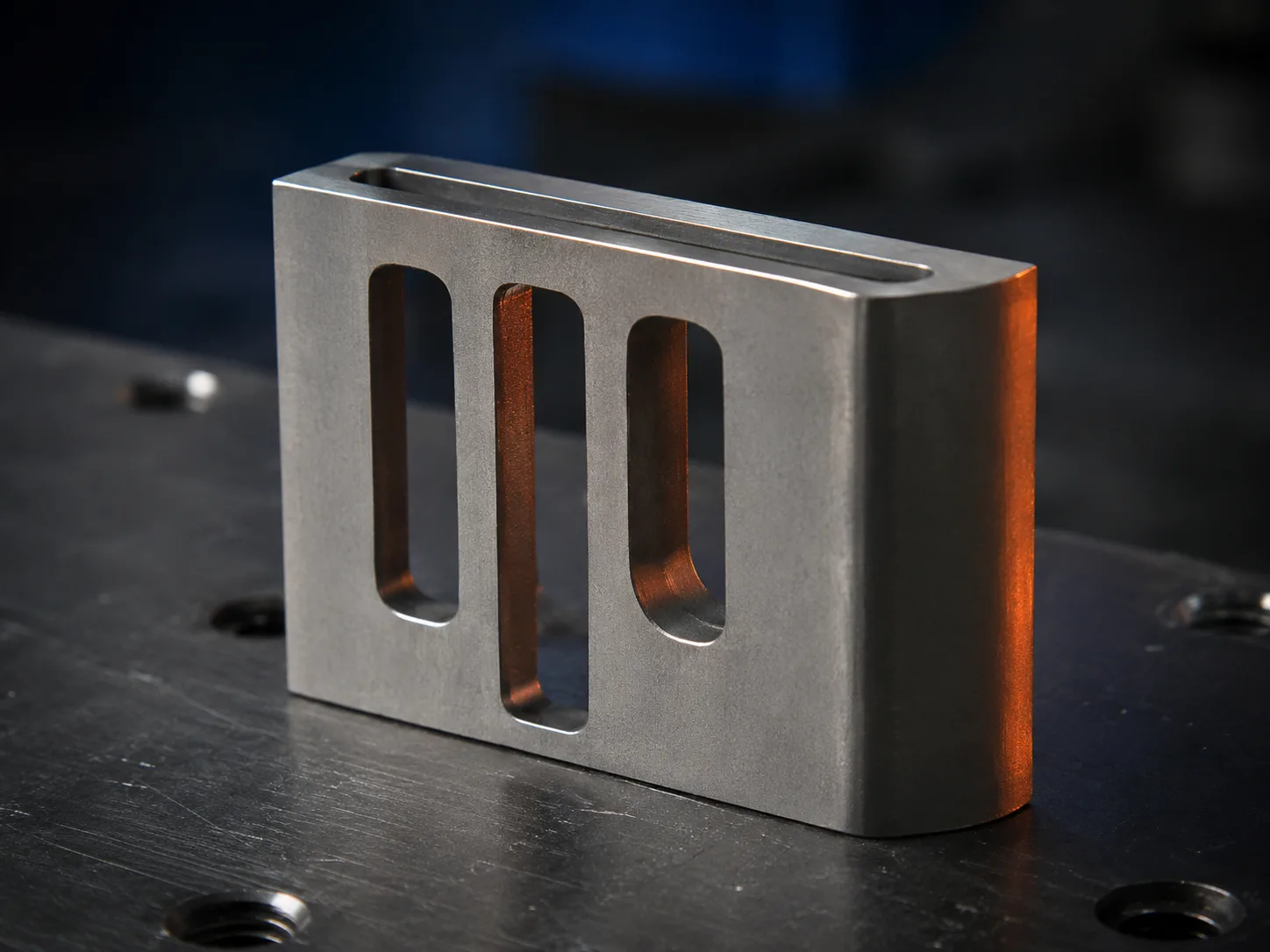
Narrow slots, thin walls and delicate profile transitions.
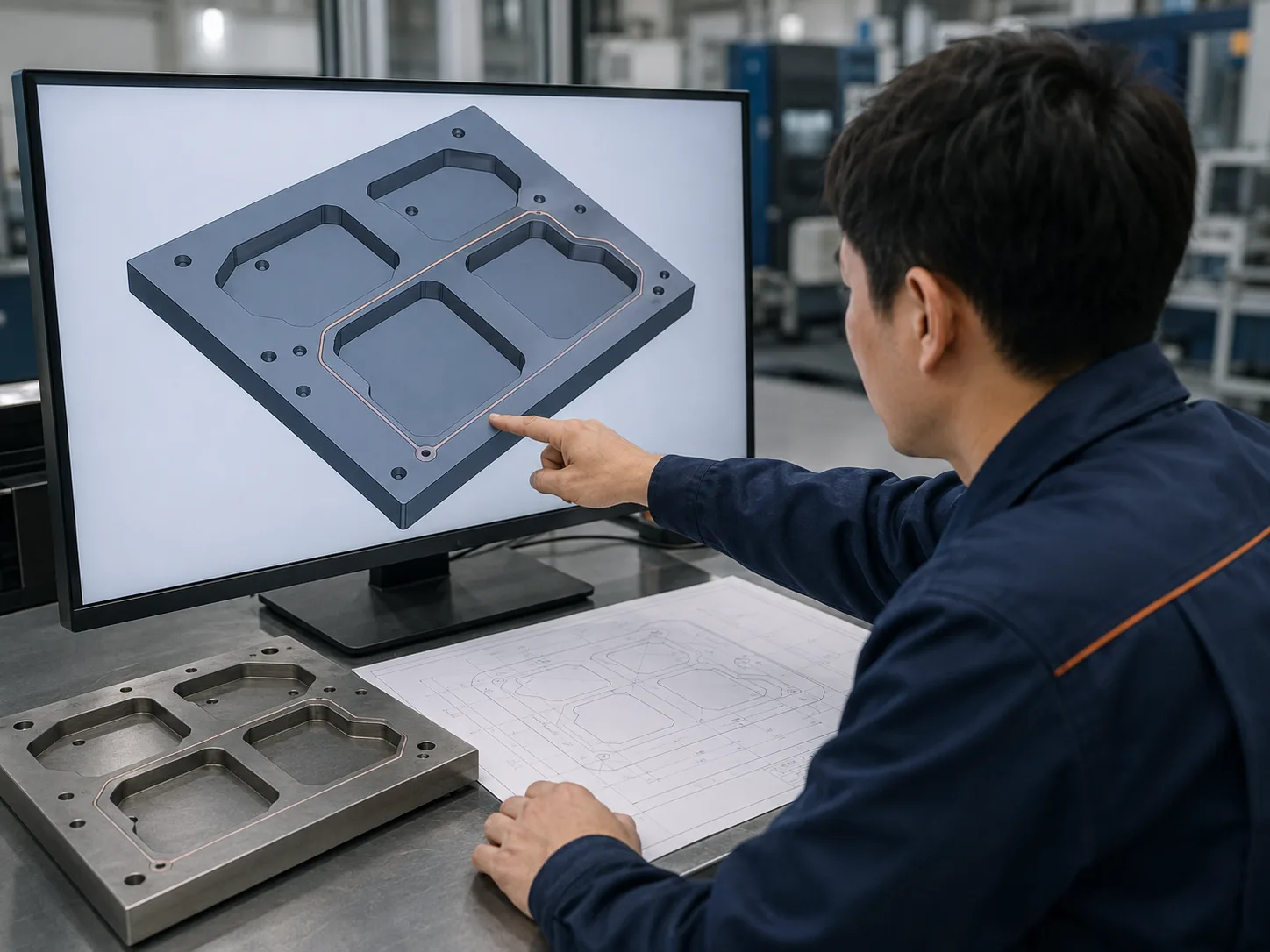
Wire access, geometry, material and inspection intent are aligned before a machine route is confirmed.
The review confirms whether the requested geometry is suitable for Wire EDM and identifies any points that require clarification before quotation.
Confirm the specified material is electrically conductive and suitable for Wire EDM.
Review entry locations for every closed internal profile.
Review narrow slots, internal corners and transitions against the selected route.
Confirm workpiece thickness, taper direction and the drawing-defined relationship.
The drawing determines the suitable method and any required inspection record.
Review contour and geometry relative to defined references.
Measure suitable narrow features with confirmed equipment.
Check positional relationships between profiles, holes and datums.
Agree report scope and critical characteristics before production.
Available inspection equipment: CMM, Height Gauge, Micrometer and Caliper.
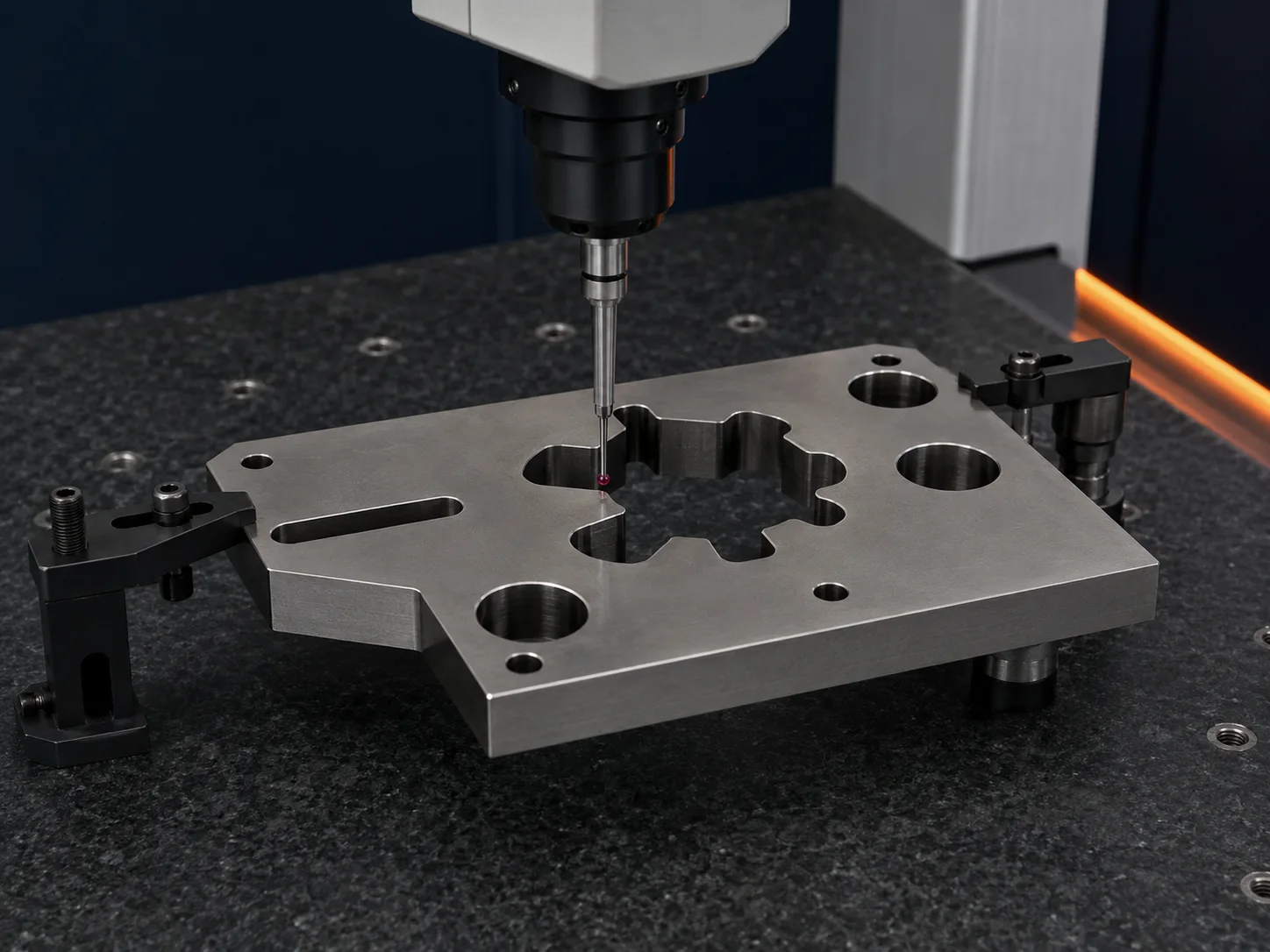
Send CAD files and project requirements.
Review material, access, taper and inspection needs.
Plan start holes, cutting sequence, setup and quantity.
Wire-cut the part and verify agreed characteristics.
Protect, pack and dispatch approved parts.
Quotation is based on the reviewed drawing and production requirements, not a single generic rate.
Material grade, heat-treatment condition and cut height affect the process plan.
Total contour length and the number of closed profiles affect machine time and setup.
Angled walls, narrow features and transitions require additional review and control.
Setup strategy, order volume and required records shape quotation and scheduling.
Clear inputs make process review and quotation more useful.
State the grade and condition; the workpiece must be conductive.
Identify closed profiles and suitable wire-entry locations.
Dimension slots, internal corners and critical relationships.
Define taper direction, datums and required inspection records.
Answers are qualified by the drawing, selected machine and agreed inspection scope.
Upload Your DrawingWire EDM requires an electrically conductive workpiece. HongKe reviews the material grade, condition, thickness, geometry and drawing requirements before confirming the process route.
Yes. Wire EDM removes conductive material without conventional cutting force, so hardened steel and other conductive metals can be reviewed without relying on tool-edge hardness.
Yes. A closed internal profile requires a reviewed start hole so the wire can be threaded through the workpiece. HongKe can provide start-hole drilling after drawing review.
Typical taper review is up to ±3° over 80 mm. The achievable taper is confirmed against the selected machine, workpiece thickness and drawing.
The drawing determines the inspection plan. Available equipment includes CMM, Height Gauge, Micrometer and Caliper, selected according to feature type and required evidence.
Provide a 2D drawing and available 3D model, material, quantity, thickness, critical features, tolerances, taper requirements, start-hole needs and requested inspection records.
Send the drawing, material, quantity, thickness, tolerances, taper and required inspection records. Our team will review process fit before quotation.
We review material, geometry and critical project requirements.
We confirm machine fit, process scope and any technical questions.
Production begins only after requirements and quotation are confirmed.