
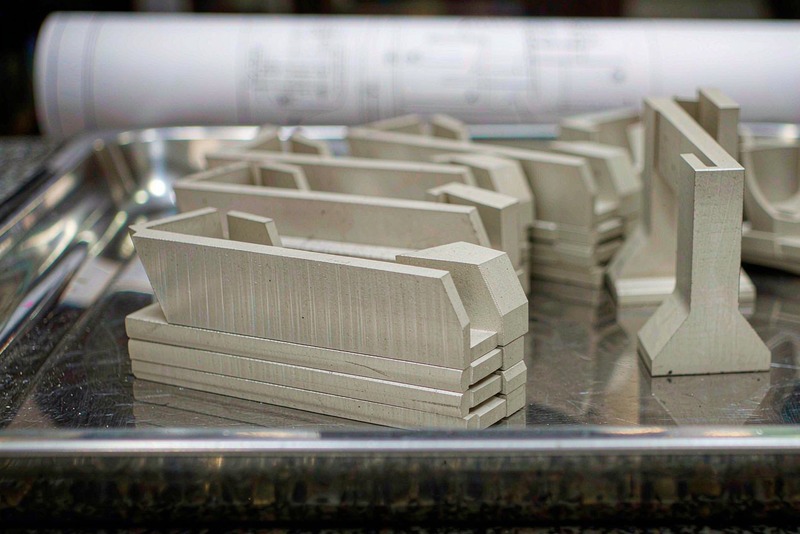
A non-conformance report is the document that turns "these parts are wrong" into a decision both sides can act on. It records what was measured, what the drawing requires, how far the part deviates, and what happens to the lot. Buyers who treat it as paperwork lose control of the schedule and the cost; buyers who treat it as a decision record usually keep both.
What a Non-Conformance Report Is For
The document answers three questions in writing: what is wrong, how bad it is, and who owns the next step.
A supplier raising one against its own output, or a buyer raising one against an incoming lot, is recording the same thing — a measured deviation from a controlled requirement, not a complaint. If the requirement was unclear, the first article inspection stage is where that should have surfaced, not after a full lot is finished.
Typical practice is to open the report against the quantity affected rather than the whole shipment, naming the failed pieces and quoting the actual readings. "The batch is bad" forces a re-measurement that costs both sides time.
What a Non-Conformance Report Should Contain
A workable report carries these sections:
- Part identification — drawing number and revision, material and lot, and the purchase order line.
- Quantity and detection point — how many parts were inspected, how many failed, and where the failure was caught.
- Requirement and result — the drawing callout with its tolerance, the measured value, and the instrument used.
- Disposition, containment and attachments — the decision, who approved it, how the bad parts were held back, and the photos or dimensional results supporting it.
Two omissions cause most of the arguments that follow: an unstated revision number, and a measurement with no instrument recorded.
Disposition Options: Four Outcomes, Four Cost Profiles
Four outcomes cover ordinary machining work, and they differ sharply in cost, documentation and recovery time.
| Disposition | What happens | Who normally carries the cost |
|---|---|---|
| Use as-is | Engineering accepts the deviation after reviewing function | The party that owns the requirement |
| Rework | The part is brought back to drawing | Whoever caused the deviation |
| Repair | A method outside the drawing restores function | Decided case by case |
| Remake | New parts are made | Whoever caused the deviation |
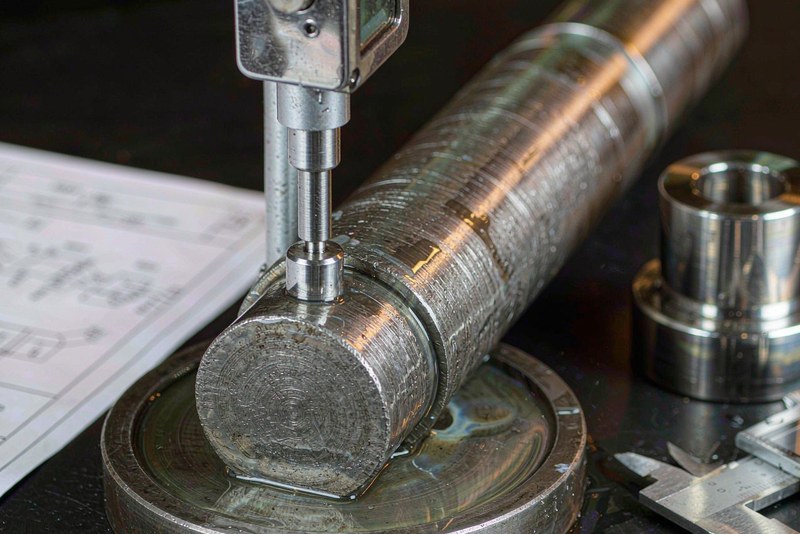
Use-as-is looks cheapest on paper and is the easiest to get wrong. It needs someone with authority over the functional requirement to accept the deviation — a decision that belongs with the design owner, not the inspector who measured the part.
Rework is the option buyers reach for first, and it is not automatically cheaper than a remake. An extra setup, a re-cut datum or an added operation can absorb more machine time than a fresh blank. Where finishing is involved, the route has to be coordinated with the finishing supplier, because re-machining a coated face usually restarts the sequence.
Repair covers methods outside the controlled drawing, such as welding and re-machining or fitting a sleeve. These need a defined acceptance basis before work starts.
Rework or Remake: Who Decides and Who Pays
The decision is rarely about the part in front of you. It is about the next shipment.
Rework generally fits when the deviation is dimensional, the fix is predictable, and the affected features can be reached without disturbing datums that are already established. Remake generally fits when the failure sits in the material or the heat treatment, and when it appears across the lot rather than a few pieces.
Liability follows the cause. A machining error, a wrong setup or an unverified tool path sits with the supplier; an ambiguous drawing, a revision issued after the order, or a requirement left unstated sits with the buyer. The difficult middle — a requirement written down but open to interpretation — is what a formal deviation process exists for, because it moves the argument onto the drawing instead of the relationship.
Schedule belongs in the same conversation. Rework consumes machine time reserved for the following job, so recovery is often slower than the arithmetic suggests; the wider picture sits in this guide to CNC machining lead time.
Corrective Action: The Step That Stops the Repeat
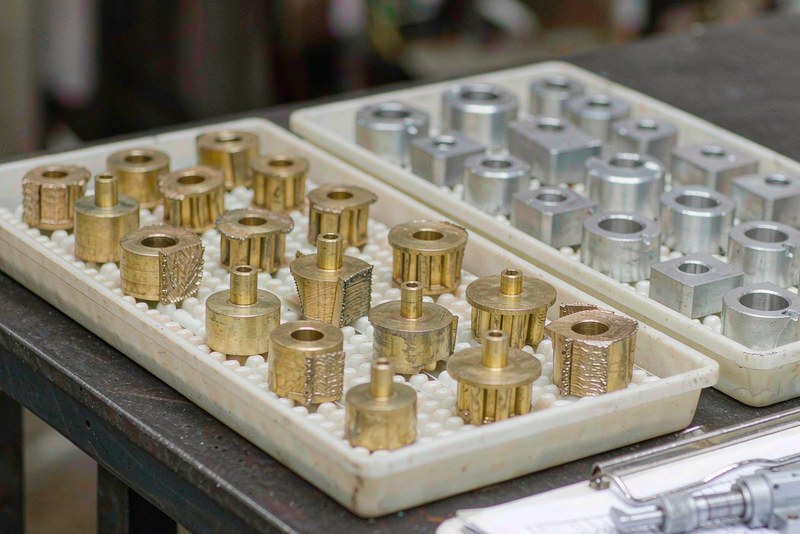
A disposition closes one lot. Corrective action is what prevents the next one.
The simplest effective response answers three things: what caused the deviation, how the process was changed, and how that change will be verified. A root cause stopping at "operator error" is not a root cause, it is a stopping point. The useful question is why the process let the error reach the part.
Verification matters more than the written response. If a setup caused the failure, the check is whether the next run holds the feature without an added inspection step. If a program or tool caused it, the check is revision control.
A record of thin corrective actions is fair input to a supplier review — the same signal that matters when you compare suppliers on process discipline.
Cutting Non-Conformances Off Before They Reach Your Dock
Most nonconformances that reach a buyer were detectable earlier.
The first control is a drawing review before the order is released: ambiguous datums, missing tolerances, and requirements no available instrument can verify are non-conformance reports waiting to be written. Settling them at the quotation stage is cheap; settling them once a lot is complete is not.
The second is an agreed inspection scope — how many parts will be checked, against which features, with what instrument, and which results travel with the shipment. The same discipline is what makes a quotation request usable, because the documentation requirement is part of the specification. On the receiving side, quarantine the suspects before pulling parts out of the bin; parts that lose their lot identity also lose most of the claim.
None of this removes non-conformances from machining; processes drift and drawings are occasionally wrong. What a working non-conformance report does is keep each failure bounded — one lot, one decision, one recorded cause — rather than letting it spill into the next order.