
Wide Material Capability
Metals & engineering plastics

We machine a wide range of metals and engineering plastics for prototypes and production parts. Upload your drawing for material, machining and finishing review.
Metals & engineering plastics
DFM, material & process review
Anodizing, plating & heat-treatment review
Dimensional inspection · Documentation review
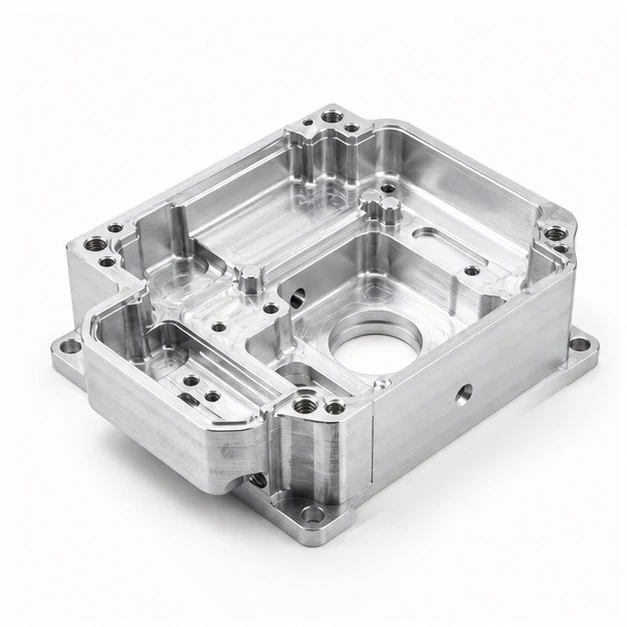
6061-T6 · 7075-T6 · 2024 · 6082
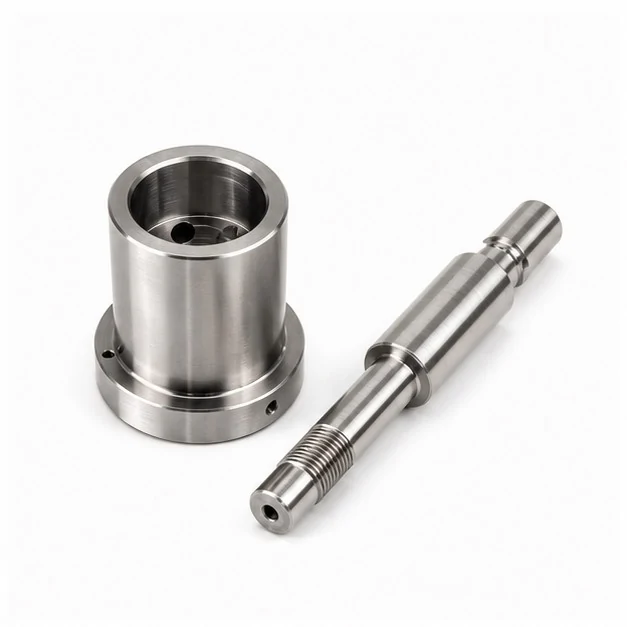
303 · 304 · 316 · 17-4PH
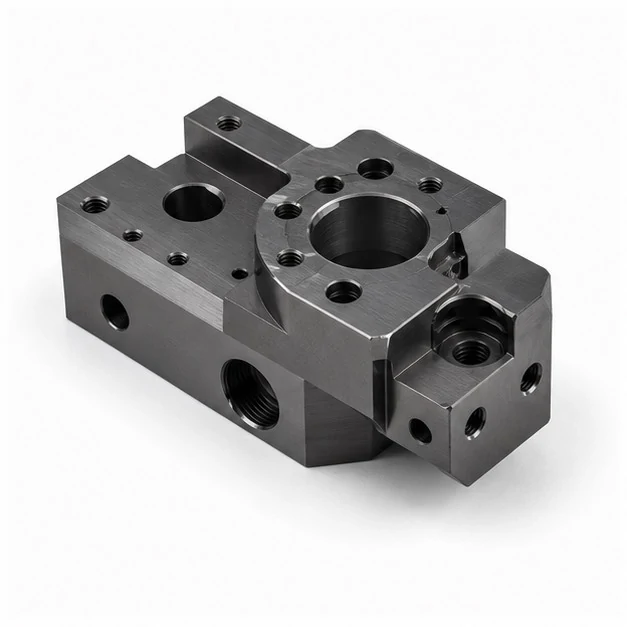
1018 · 1045 · 4140 · 4340
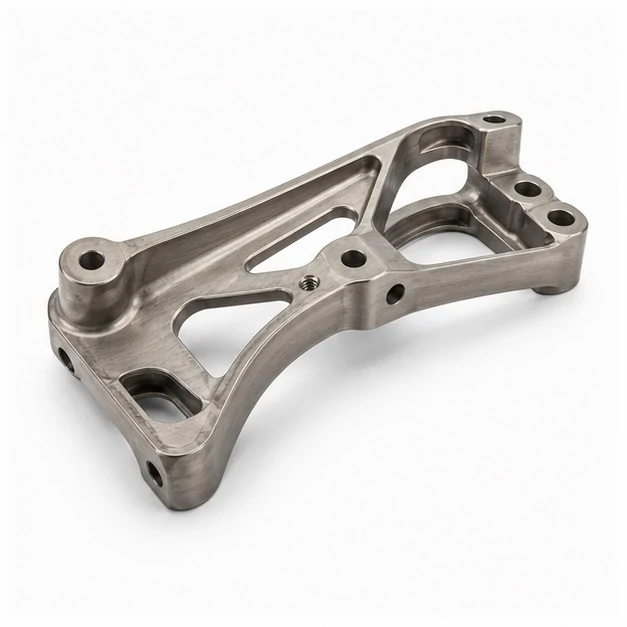
Ti-6Al-4V (Grade 5)
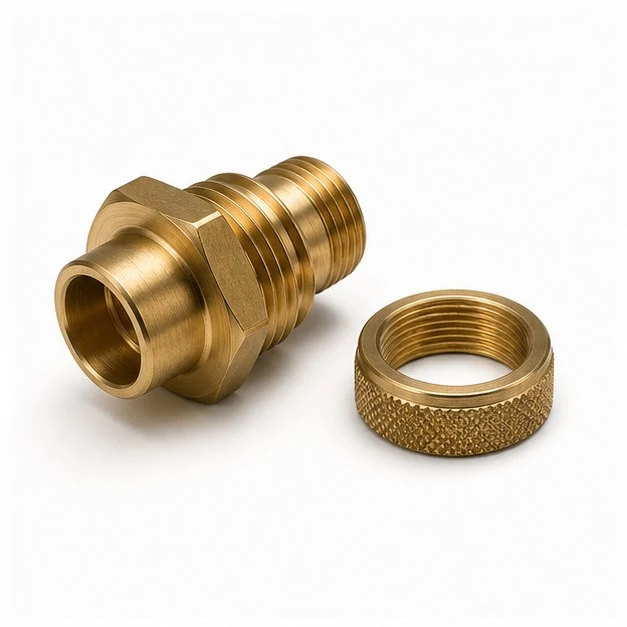
C360 Brass · C110 Copper
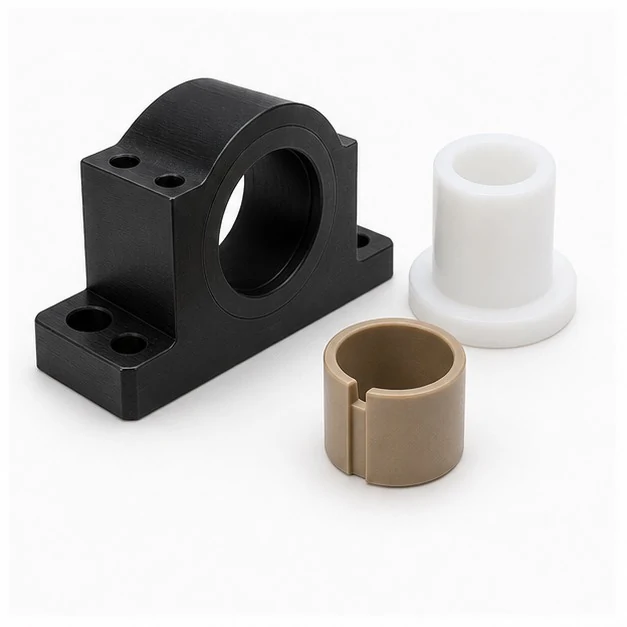
POM / Delrin · Nylon · PEEK · PTFE
Exact grade, condition, geometry and finishing route are confirmed through drawing review before quotation.
16 material families & reference grades
Reference families for engineering discussion. Stock, process suitability and documentation are confirmed for each project.
A practical choice for lightweight housings, brackets, plates and fixtures that need good machinability and flexible finishing options.
Reference Grades
Selected when a lightweight metal with corrosion resistance is needed for demanding brackets and industrial components.
Reference Grades
Considered for weight-sensitive parts where the design and handling plan support magnesium use.
Reference Grades
A familiar option for pins, shafts, fixtures and general machine parts where grade and supply condition guide the choice.
Reference Grades
Chosen for machine elements where strength, toughness or a specified heat-treatment route is part of the design.
Reference Grades
Used for mold components, tooling inserts and wear parts that need a specified steel family and processing condition.
Reference Grades
Selected for corrosion-conscious hardware, cleanable components, shafts and sleeves where grade selection matters.
Reference Grades
Considered for demanding environments where the approved alloy and material condition drive the engineering decision.
Reference Grades
A machinable copper alloy family for fittings, connectors, threaded features and appearance-sensitive hardware.
Reference Grades
Selected for conductive or heat-transfer components where the specified copper alloy and geometry determine the route.
Reference Grades
A copper alloy family for bushings, guide parts and sliding interfaces where alloy choice and clearances matter.
Reference Grades
A practical engineering plastic for low-friction guides, spacers and dimensional parts where metal is unnecessary.
Reference Grades
Used for wear pads, guides and insulating parts where toughness and a suitable polymer grade support the application.
Reference Grades
Considered for seals, chemical-service parts and low-friction components where the approved grade suits the design.
Reference Grades
A selection-reference group for applications that need a specified engineering polymer beyond general-purpose plastics.
Reference Grades
A practical reference group for covers, guards, spacers and low-load parts where the specified polymer fits the service needs.
Reference Grades
Compare key material characteristics before detailed engineering review.
View Detailed Comparison| Material | Strength | Machinability | Weight | Corrosion Resistance | Relative Cost | Typical Applications |
|---|---|---|---|---|---|---|
| Aluminum | Medium–High | Excellent | Low | Good | $$ | Housings, brackets, frames |
| Stainless Steel | High | Good | High | Good–Excellent | $$$ | Shafts, fittings, corrosion-resistant parts |
| Carbon / Alloy Steel | High | Good | High | Low uncoated | $–$$ | Shafts, fixtures, structural parts |
| Titanium | High | Challenging | Medium | Excellent | $$$$ | Weight-critical, high-performance parts |
| Brass & Copper | Low–Medium | Grade dependent | High | Good | $$–$$$ | Fittings, connectors, electrical parts |
| Engineering Plastics | Grade dependent | Good–Excellent | Very low | Chemical dependent | $–$$$$ | Bushings, guides, insulators |
General comparisons only. Grade, condition, heat treatment and environment affect performance; cost symbols are relative guidance, not prices.
Compare candidates for the same duty and material condition. Stronger alloys may need more machining time; a lower raw-material price may not produce a lower finished-part cost. Confirm loading, temperature, exposure, dimensional stability, finishing and inspection together.
Answer a few practical questions and we'll suggest suitable starting materials for your part.
We connect material decisions to manufacturability, performance and the finished-part cost.
Learn About Our ProcessAlloy, temper, hardness and material specifications can affect machining strategy and performance.
Complex features, thin walls and tight tolerances may affect stability and machining strategy.

Tool wear, heat generation, chip control and burr formation vary by material.
Finishes and secondary processes should be considered before final machining.
Common finishing options for frequently machined materials.
View All Finishing OptionsCompatibility is a starting point. Confirm alloy, preparation, masking, coating thickness and service requirements through engineering review.
Hard anodizing, chemical film, electropolishing, bead blasting, tin plating and polishing may also be considered. Confirm the applicable specification and supplier route. Protect threads, sealing surfaces and fitted dimensions; allow for material removal or coating build-up.
Upload your drawing and requirements. Our engineering team will review material suitability, manufacturability, finishing and inspection needs before quotation.
STEP · PDF · CAD files / Up to 20 MBInclude your preferred material, service environment and any alternatives you would like us to review.
Exact grade, condition, finishing and inspection requirements are agreed before production.
juliannar981@gmail.comPractical answers for engineers and buyers comparing material options.
Common CNC machining materials include aluminum, stainless steel, carbon and alloy steels, titanium, brass, copper and engineering plastics. The material directory provides reference grades; exact grade, condition, part geometry and process availability are reviewed before quotation.
Start with the working load, weight, service temperature, chemical or moisture exposure, wear, required finish and budget. Share the drawing and critical requirements so material options can be reviewed against the intended function.
7075-T6 generally offers higher strength, while 6061-T6 is a versatile choice for machinability, corrosion resistance and many anodized parts. The appropriate alloy depends on loading, geometry, finish, service conditions and cost; strength alone should not determine the choice.
Request material certificates or supplier documentation in your RFQ. Availability, document type, supplier records and any traceability requirements must be confirmed before quotation; documentation is not assumed for every order.
Send the drawing together with the application, working load, environment, quantity and budget priorities. We can review practical starting materials, but the exact grade and condition must be agreed before production.
Yes. We can compare alternatives for machining, availability, finish and cost based on your requirements. Any substitution must be reviewed for function and approved by the customer or design authority before production.
IQC · FAI · IPQC · OQC
CMM & dimensional inspection
Requirements confirmed per project
Drawing-led manufacturing review
Drawing, quotation & delivery coordination