
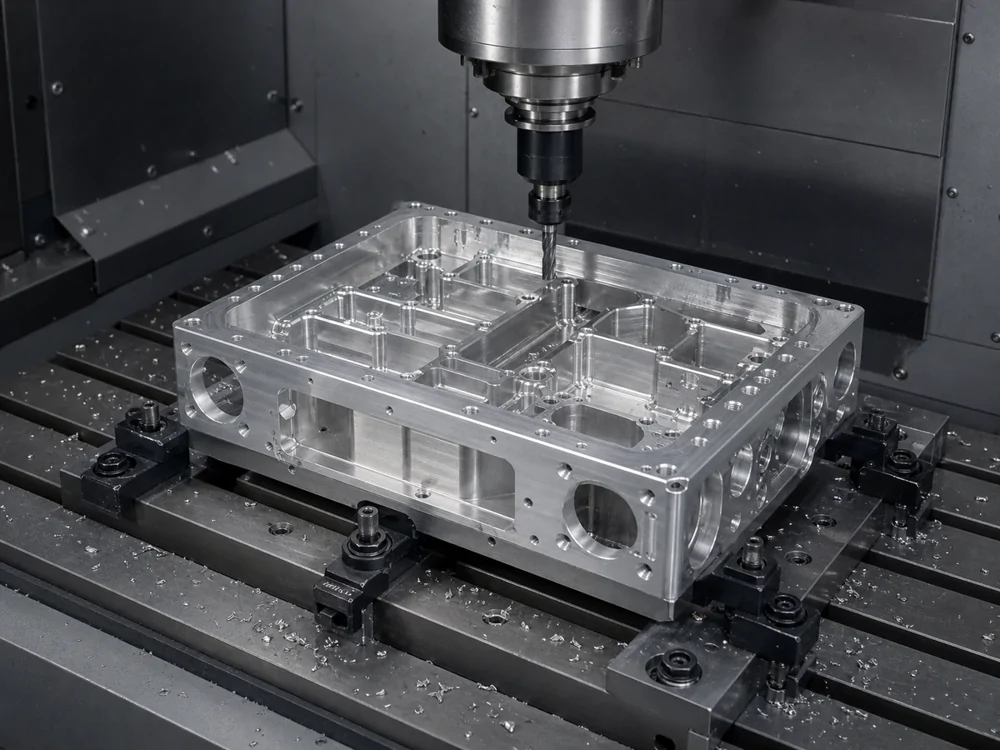
CNC Milled Parts
Housings, plates, brackets, and covers with pockets, bores, and machined features. 3-, 4-, or 5-axis machining where appropriate.
Explore millingNeed prototype parts now and repeat production later? Our on-demand CNC machining service supports prototypes, pilot runs, and small-batch production while keeping the latest approved drawing, material specification, finish, and inspection requirements aligned across orders.
STEP / STP · PDF Drawings · DXF · Quantity · Material · Surface Finish
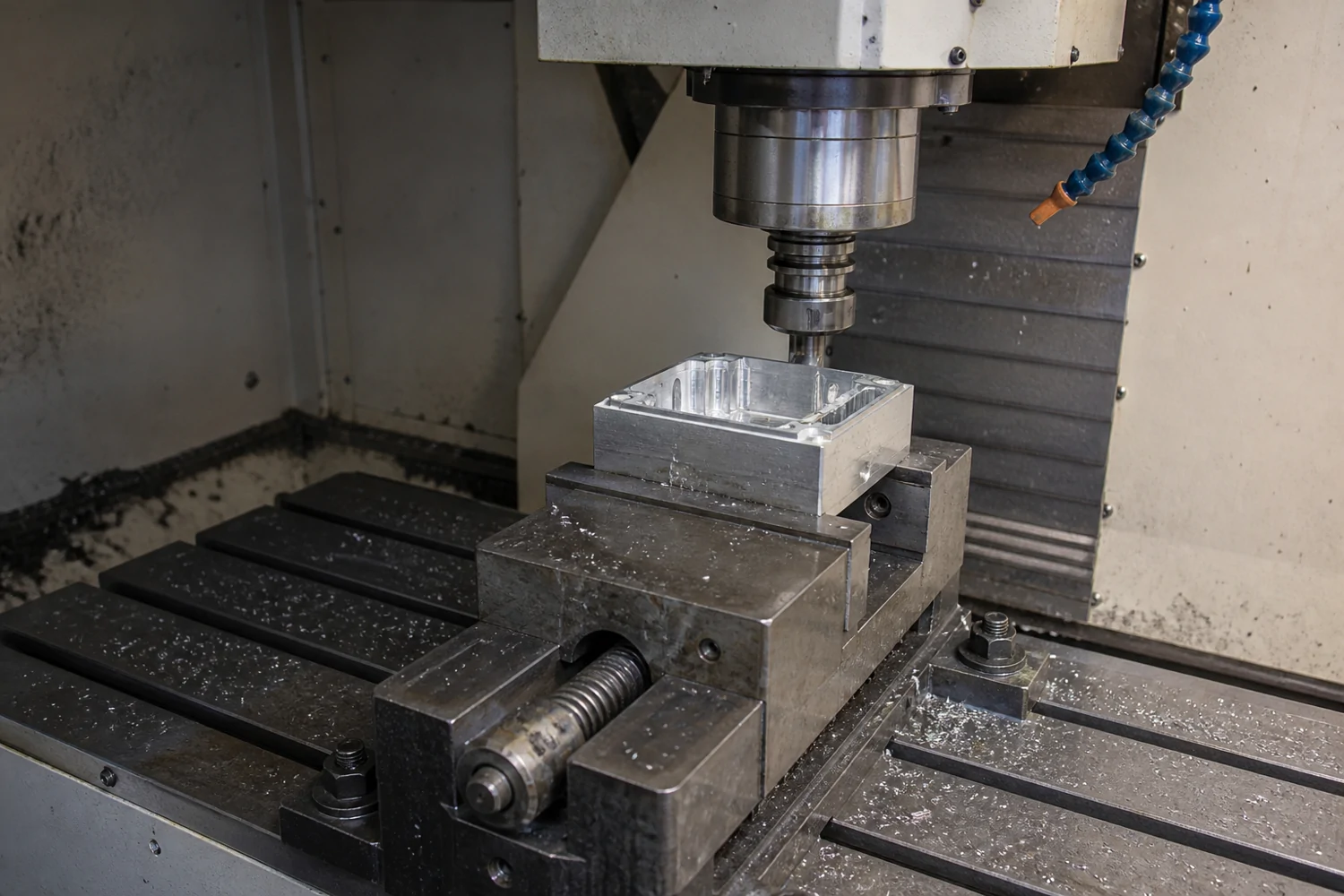
From 1 piece
Low-volume production support
Complex geometries
Inspection scope defined by drawings and agreed project requirements
Share your current stage, estimated quantity, drawings, and quality requirements. We’ll review the appropriate manufacturing approach.
Use prototype parts to check fit, function, and key design features before moving to a larger batch.
A small pre-production batch helps confirm the machining route, inspection points, and repeatability before moving to larger production quantities.
The focus shifts to stabilizing the machining setup and inspection approach as production quantities increase.
Repeat production follows the latest approved drawing and agreed material, finish, and inspection requirements.
Order quantity may change, but the latest approved drawing, material specification, critical dimensions, finish requirements, and inspection scope must remain clearly linked to each order.
 PrototypeDesign checkPilot RunProcess validationSmall-Batch ProductionStable productionRepeat ProductionOngoing production
Manage engineering changes and keep the latest approved production drawing clearly identified across orders.
Keep the specified material grade, condition, and relevant requirements aligned with the approved project information.
Focus inspection on dimensions, tolerances, and features that are important to fit, assembly, and function.
Review meaningful process, tooling, or setup changes before they affect repeat production.
The machining route is selected based on part geometry, material, tolerances, quantity, and required secondary processes.
Housings, plates, brackets, and covers with pockets, bores, and machined features. 3-, 4-, or 5-axis machining where appropriate.
Explore milling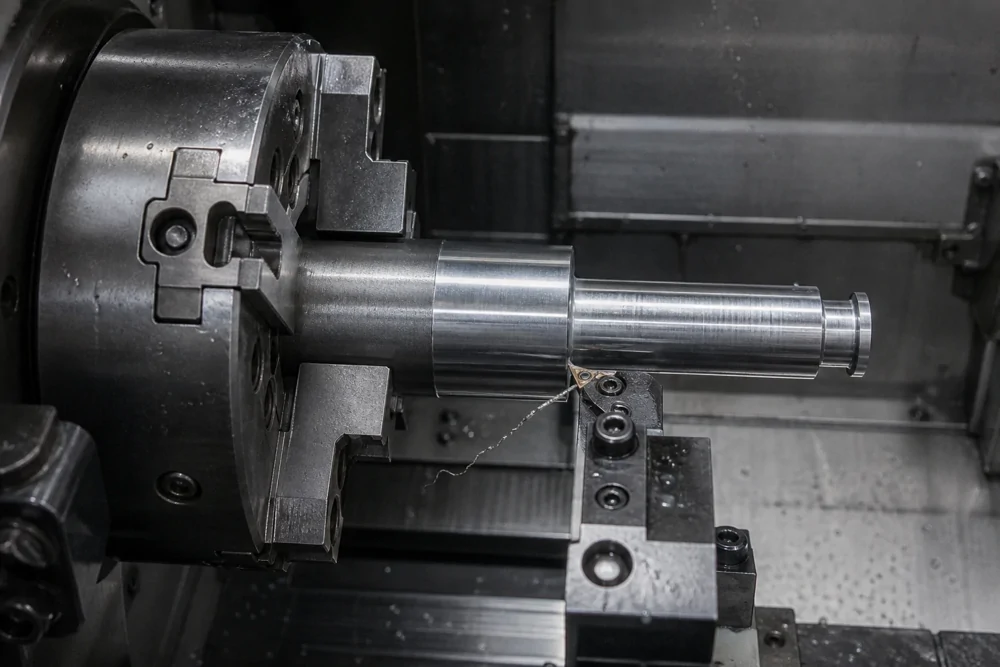
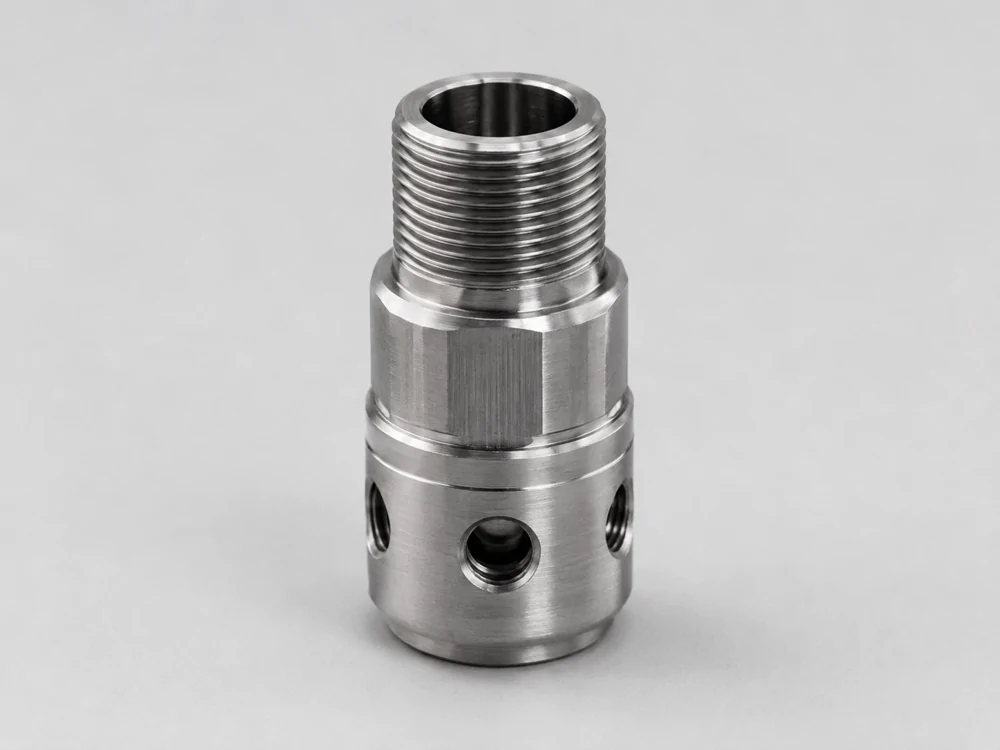
Shafts, sleeves, bushings, pins, and cylindrical components with controlled diameters and threads.
Explore turning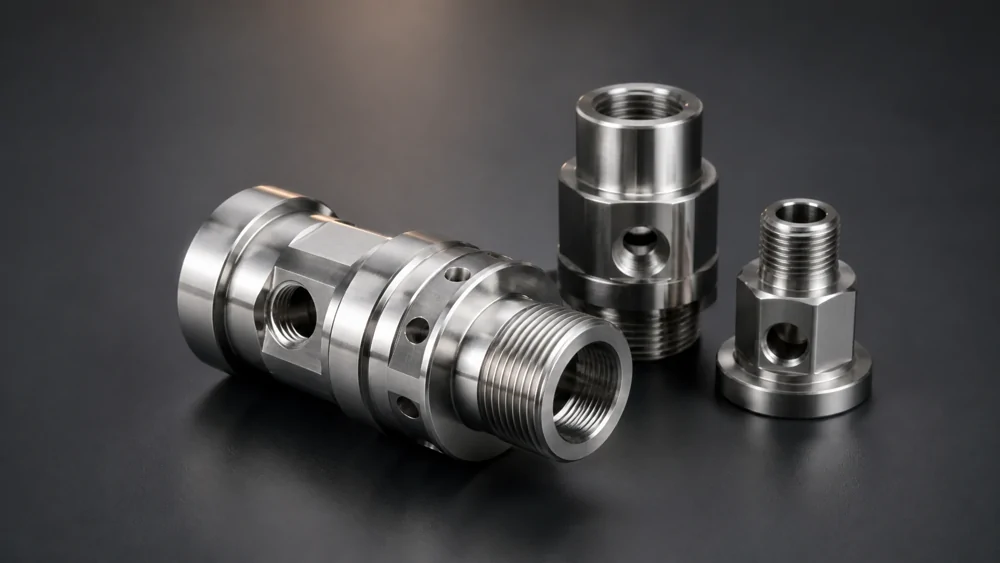
Parts requiring both turning and milling operations within one manufacturing route.
Review your part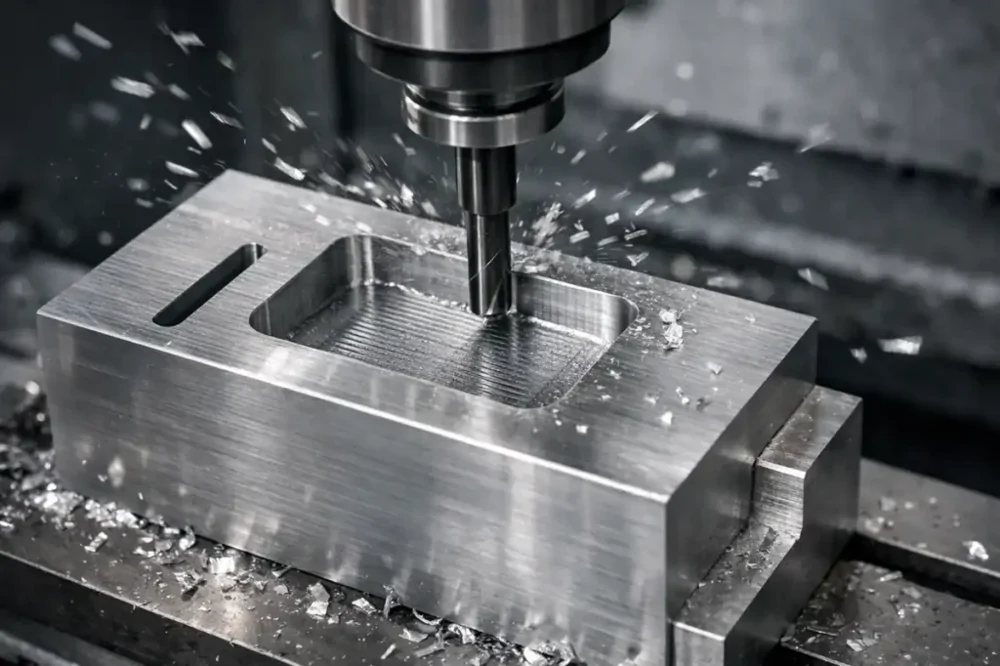
Drilling, tapping, reaming, grinding, EDM, and other required secondary processes where applicable.
Explore Wire EDM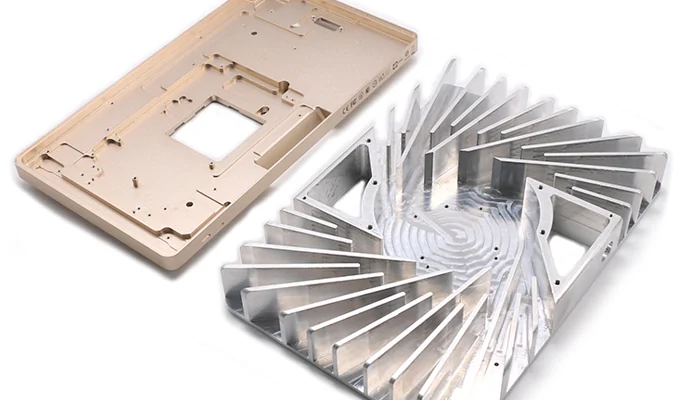
Anodizing, plating, passivation, and other finishing requirements can be coordinated through external processing partners according to the drawing and agreed project requirements.
Discuss your finishThis example illustrates how a machined housing may progress from prototype through process validation into repeat production.
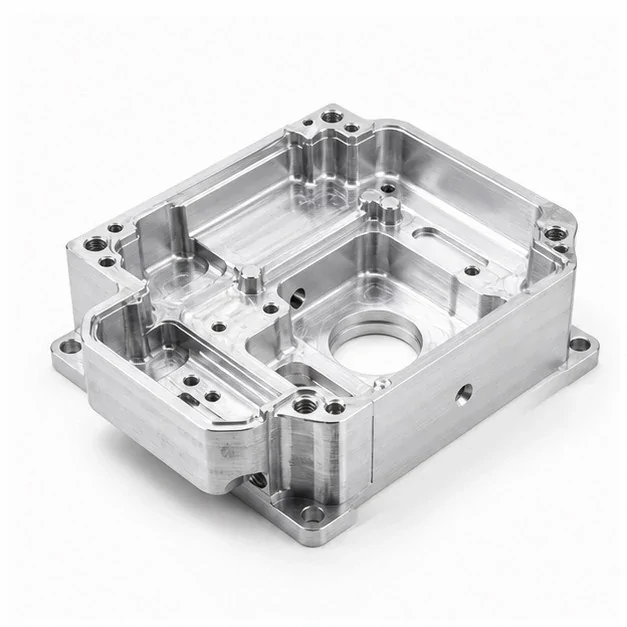
An aluminum housing can require dimensional control of bores, mounting faces, and internal features as the project moves from prototype into repeat production.
Design verification
Process validation
Approved requirements maintained
This example illustrates a typical manufacturing route rather than a specific customer order. Actual material, quantities, inspection requirements, and production steps are confirmed for each project.
Send your 3D model, 2D drawing, material specification, quantity, tolerances, and finish requirements when available. If some details are still undecided, send what you have and we’ll identify the information needed before we prepare a quote.
STEP, STP, IGES, or other supported 3D file formats.
PDF drawings with tolerances, threads, GD&T, and relevant notes.
Material grade, condition, or specification.
Prototype quantity and expected batch quantity, where known.
Surface roughness (Ra), anodizing, plating, passivation, cosmetic requirements, or other coating requirements.
A repeat order should not start from scratch. We reference the latest approved drawing and project requirements, then review any changes before production.
| Control Item | First Order | Repeat Order |
|---|---|---|
| Drawing Revision | Confirm approved drawing revision | Use the latest approved revision and review changes |
| Material | Confirm material specification | Maintain approved material requirements |
| Critical Dimensions | Define inspection focus | Maintain agreed critical-dimension checks |
| Inspection / Reporting | Confirm critical features and reporting needs | Follow the agreed inspection scope unless requirements change |
| Surface Finish | Confirm finishing specification | Maintain approved finish requirements |
| Packaging | Confirm packaging needs | Maintain the approved packaging approach |
| Special Notes | Record project-specific requirements | Carry relevant notes into the next order |
Inspection scope is based on the drawing and agreed project requirements. As a part moves into repeat production, the focus shifts from first-build verification toward maintaining critical dimensions and agreed inspection controls.
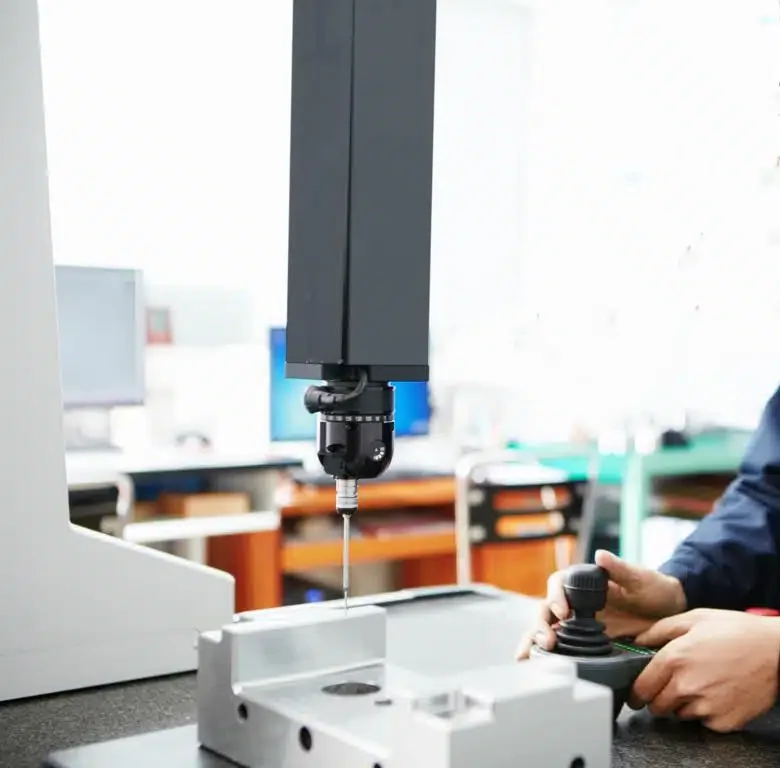
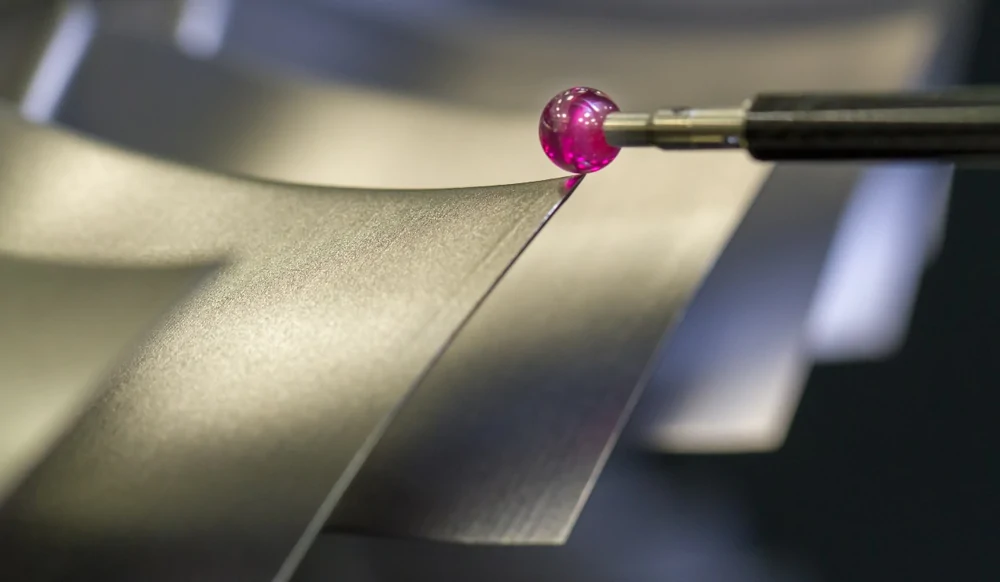
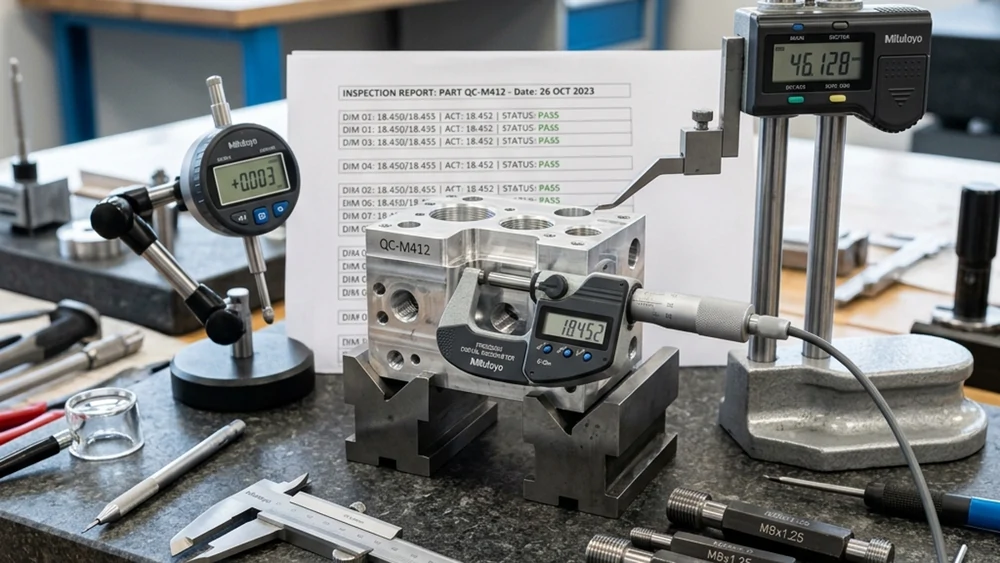
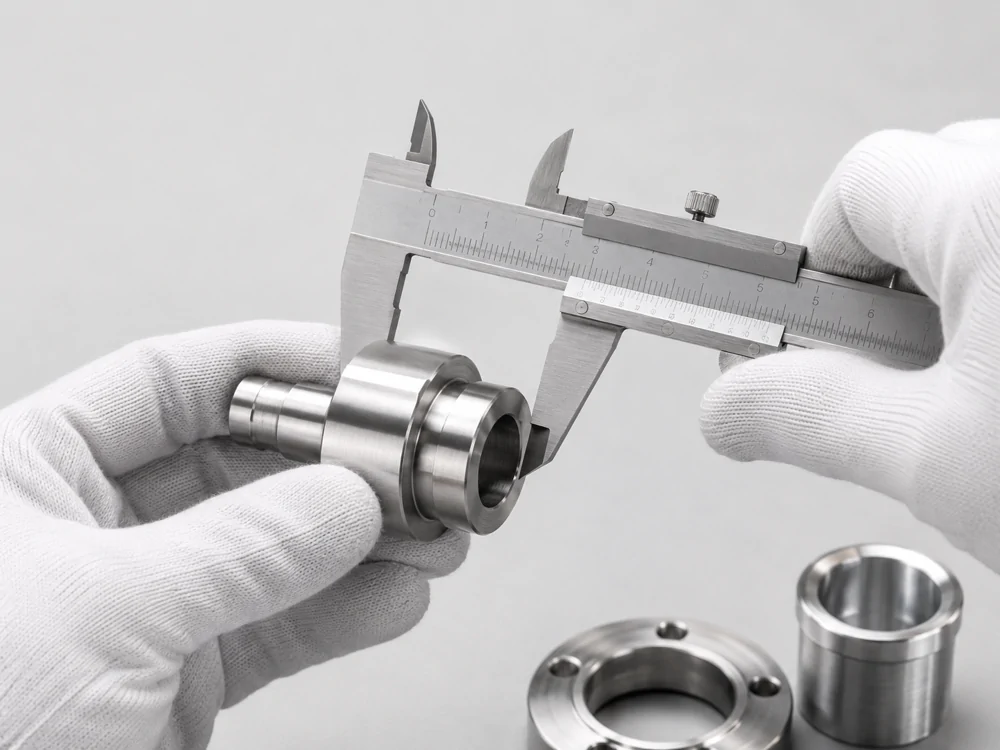
Before production, we review the drawing alongside the machining route, inspection requirements, and any secondary processes.
Check dimensions, tolerances, GD&T, and drawing notes before production planning is finalized.
Review geometry, tool access, thin walls, deep features, threads, and machining sequence before the production route is finalized.
Identify critical features and inspection requirements from the drawing and project information.
Review heat treatment, grinding, EDM, or externally coordinated surface finishing where required.
Yes. We can machine a one-piece prototype so you can check fit, function, and critical design features before moving into a larger production quantity. Share the available CAD model, drawing, material, and inspection requirements so we can review the machining approach.
Send your available STEP or STP model, PDF drawing, material grade, quantity, tolerances, surface finish, and inspection requirements. The upload form accepts the formats listed beside the file field, up to 20 MB per file. A ZIP can contain related project files.
Yes. A STEP file can support an initial review of geometry and manufacturability. Critical tolerances, threads, datums, surface finish, and inspection requirements still need to be defined and agreed before production.
We reconfirm the approved model and drawing revision before a repeat order starts. Changes to geometry, material, finish, or inspection requirements are reviewed, and the approved production information is kept clearly identified.
Yes. Anodizing, plating, passivation, and other surface finishing requirements can be coordinated through external processing partners. We review the finish specification, critical surfaces, and relevant dimensional requirements together with the machining work.
Drawing-based dimensional checks, inspection records, and reporting requirements can be defined during the quotation review. State the critical features, measurement or reporting needs, and any acceptance criteria before production so the inspection scope can be confirmed.
CNC machining can support one-off prototypes, pilot runs, low-volume batches, and repeat production. Part geometry, material, setup requirements, and inspection scope determine the practical manufacturing plan; there is no single quantity range for every part.
Yes. After the design is confirmed, a pilot run can validate the machining route and inspection focus. The approved drawing, material, finish, and project notes then provide the basis for small-batch CNC machining and recurring production.
Upload your available CAD files, drawings, and project requirements. We’ll review the machining approach and identify any information that needs clarification before we prepare a quote.