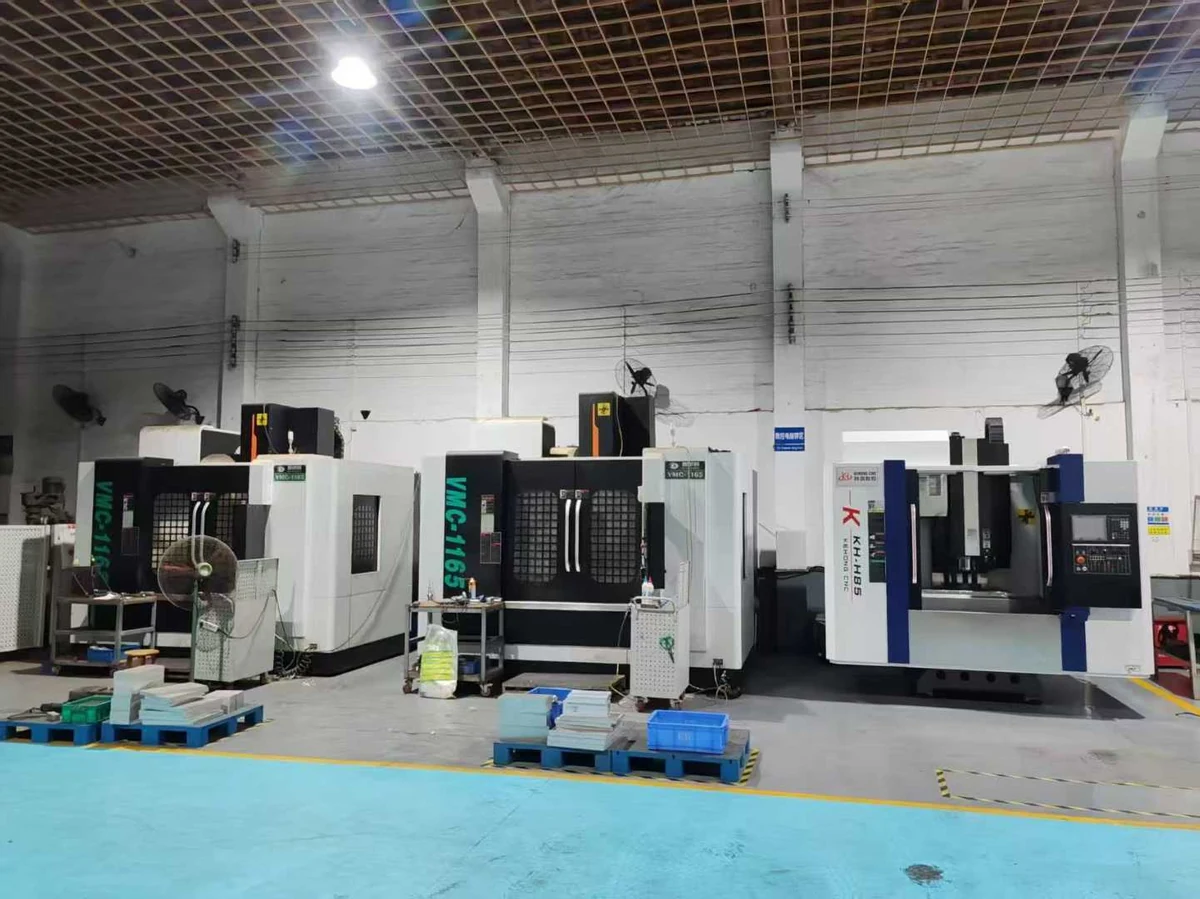
One Project Contact
Coordinate machining and finishing requirements through one project contact.
Machining First. Finishing Coordinated.
HongKe machines your parts and coordinates anodizing, plating, passivation, blasting, polishing, powder coating and other secondary finishes through specialized finishing partners—giving you a more coordinated path from machining to finished parts.
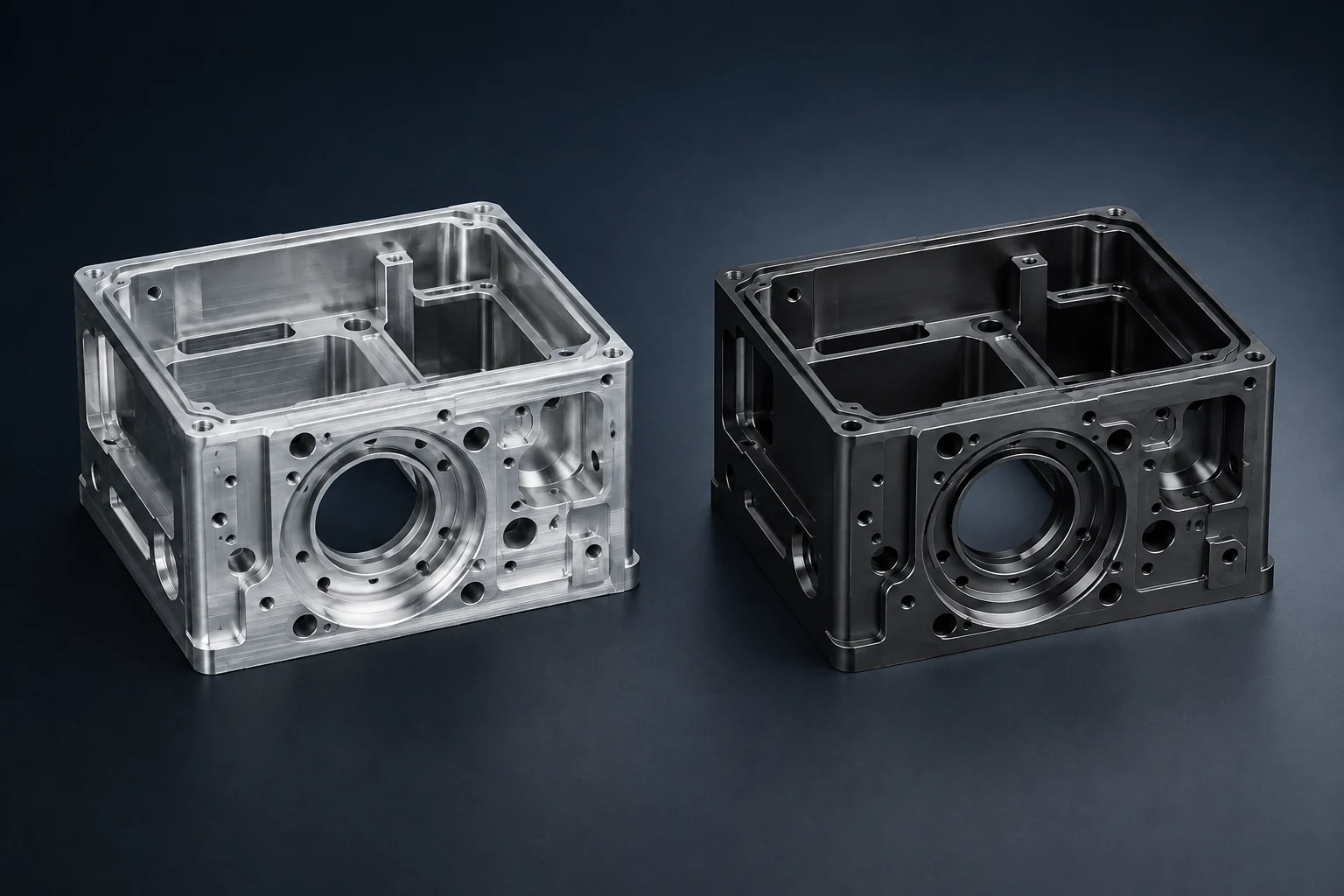
CNC MachinedAs Machined
After FinishingBlack anodized
One Project ContactSimpler Coordination
Specialized PartnersFinishing Process Coordination
Drawing-BasedMachining + Finish Planning
A clear process from drawing review to finished parts.
We review the drawing, finish specification, critical dimensions and masking requirements.
HongKe machines the parts according to the approved manufacturing requirements.
Surface finishing is performed through specialized finishing partners according to the approved project requirements.
Specialized external finishing partnerWhere applicable, finished parts are reviewed against the defined drawing and project requirements before shipment.
Completed parts are prepared for shipment as part of the same machining project.
Coordinate machining and finishing requirements through one project contact.
Finish requirements are reviewed together with material, tolerances and part geometry.
HongKe coordinates finishing requirements, partner communication, timing and delivery.
Common secondary finishes and related post-machining processes coordinated through specialized partners. Final availability depends on material, geometry, specification and project requirements.
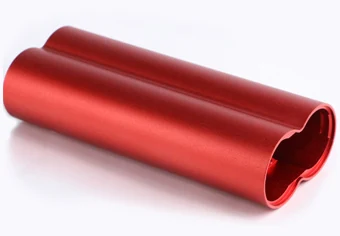
MaterialsAluminum
Typical useCorrosion resistance, wear resistance and appearance.
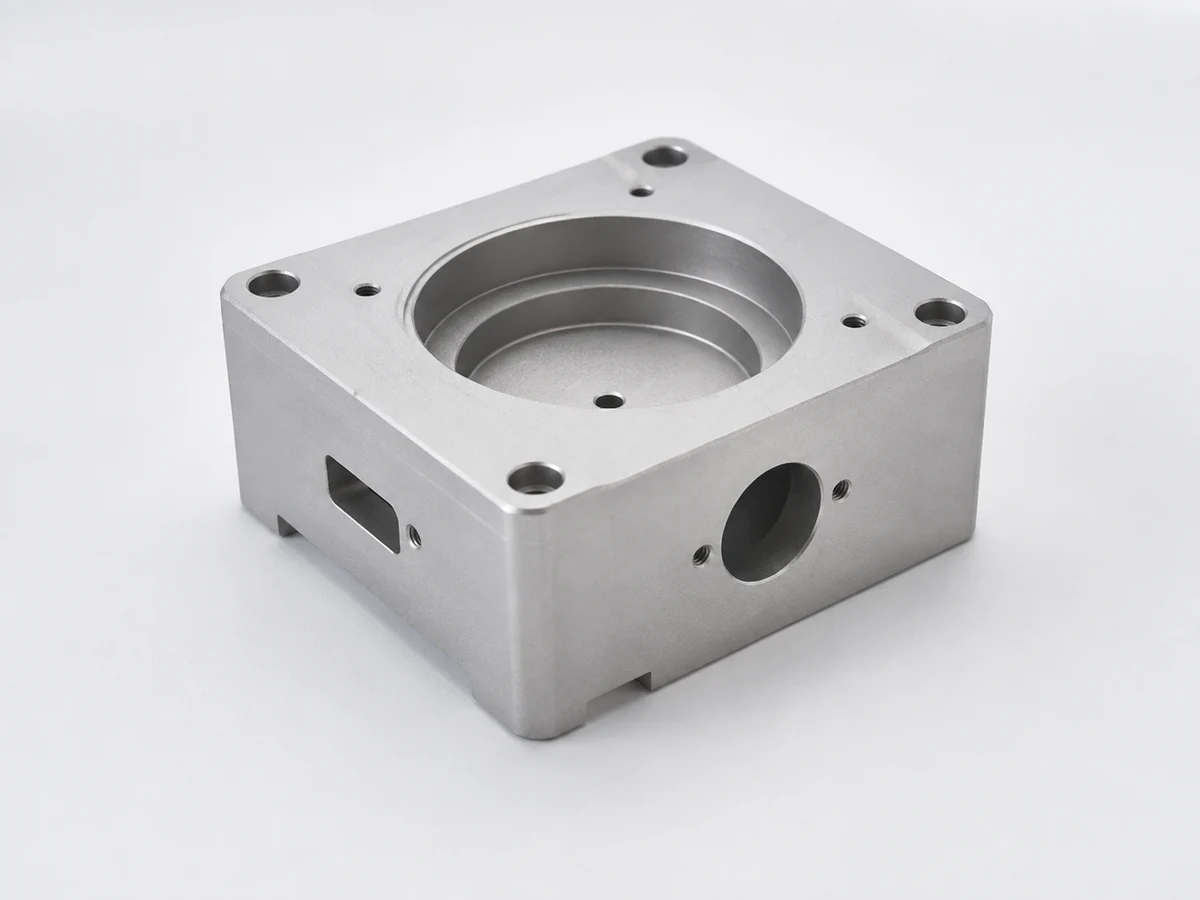
MaterialsAluminum / stainless steel
Typical useUniform matte appearance and surface preparation.
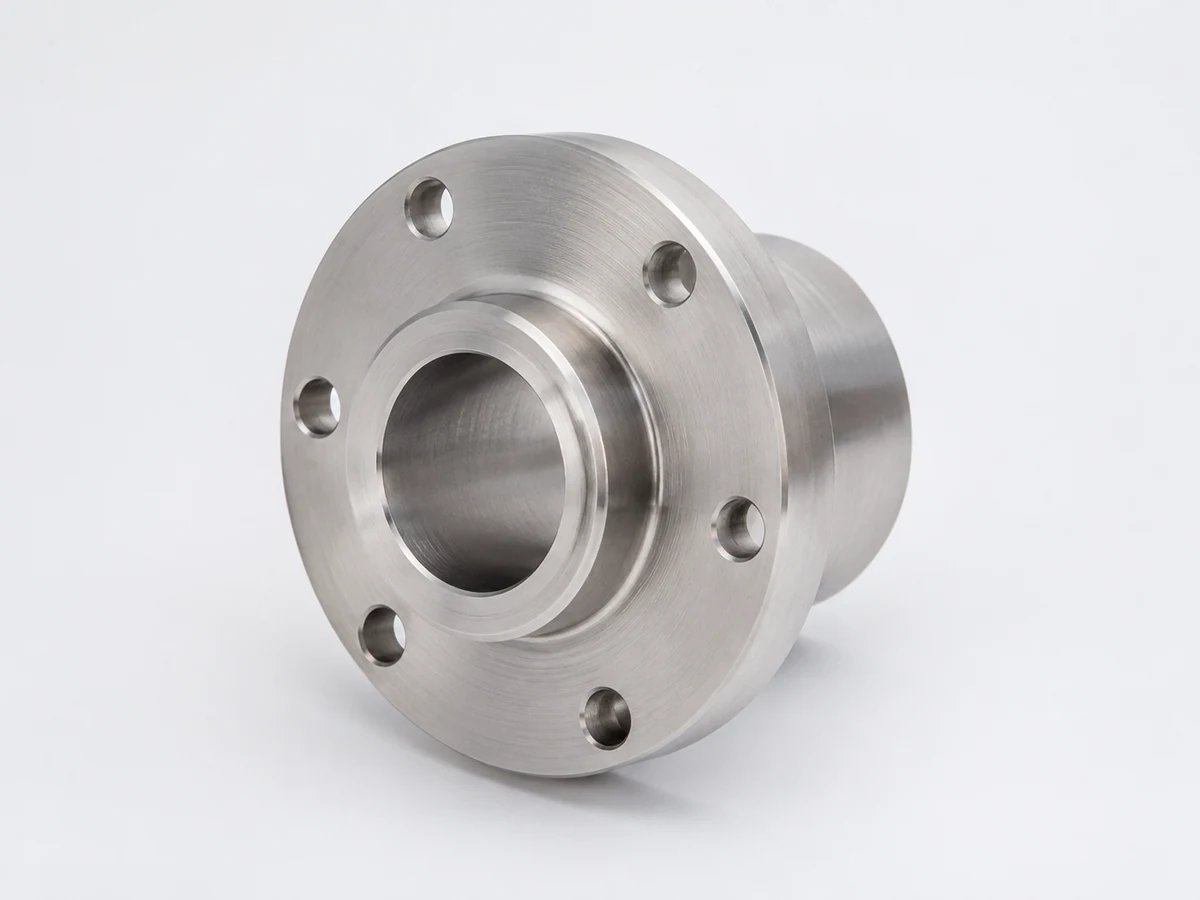
MaterialsStainless steel
Typical useRemoval of free iron to support corrosion resistance.
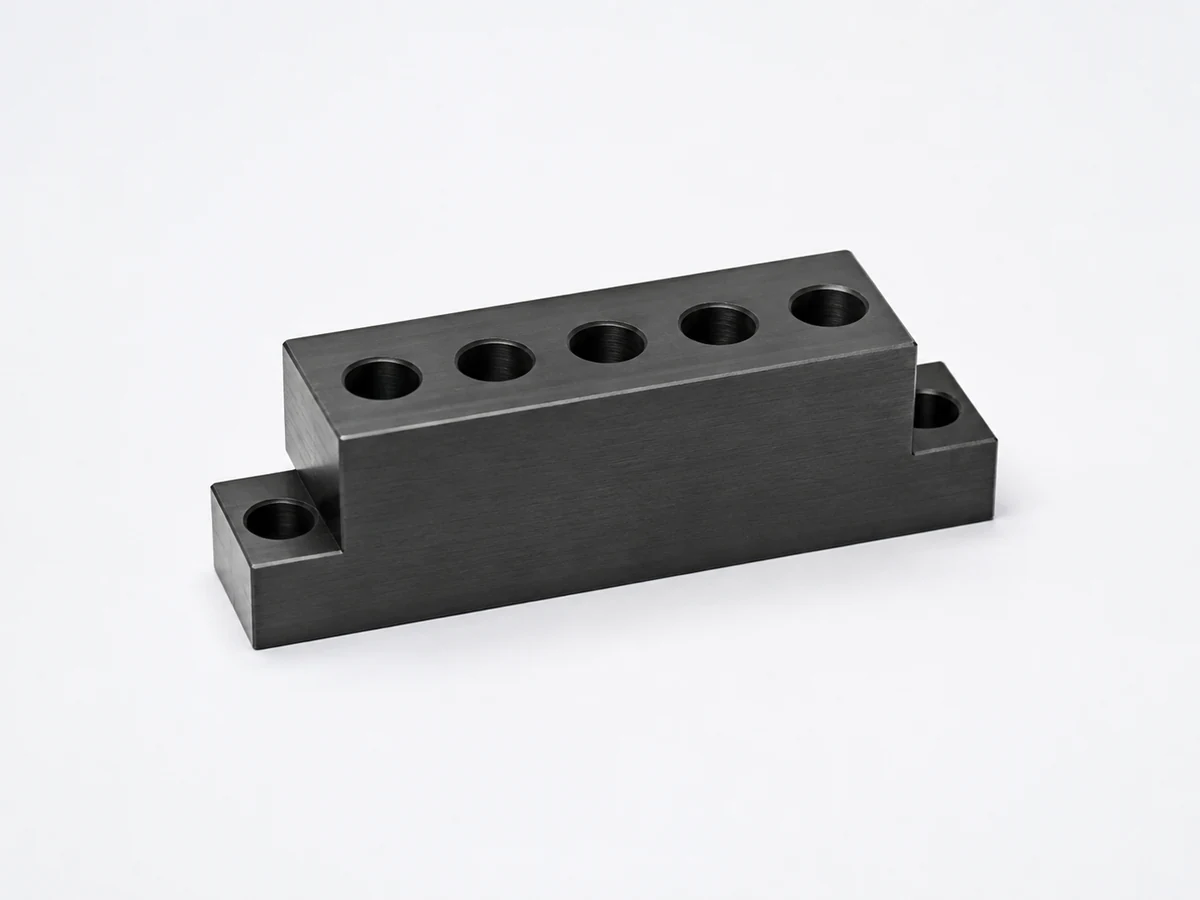
MaterialsCarbon / alloy steel
Typical useDark appearance with relatively low dimensional impact.
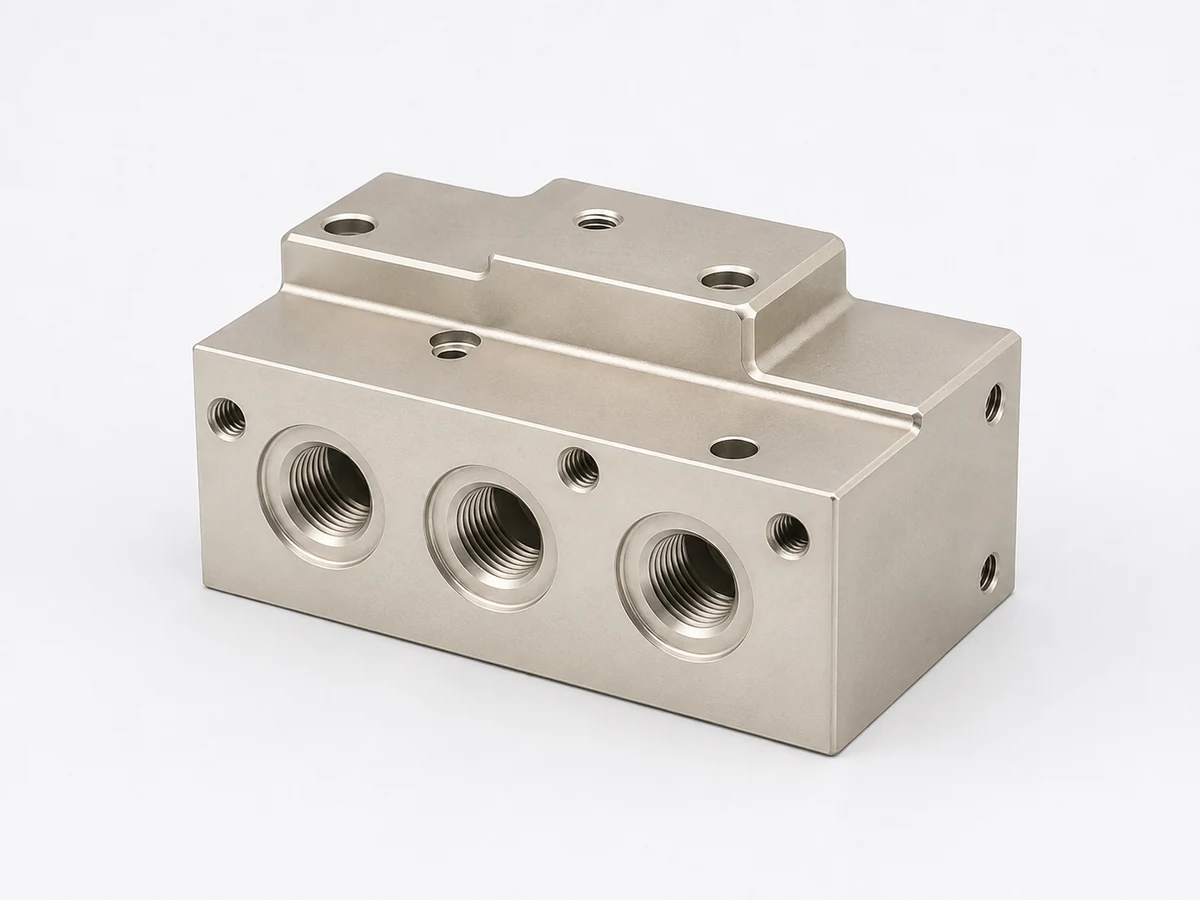
MaterialsSteel / aluminum / compatible metals
Typical useWear resistance, corrosion resistance and relatively uniform coating thickness.
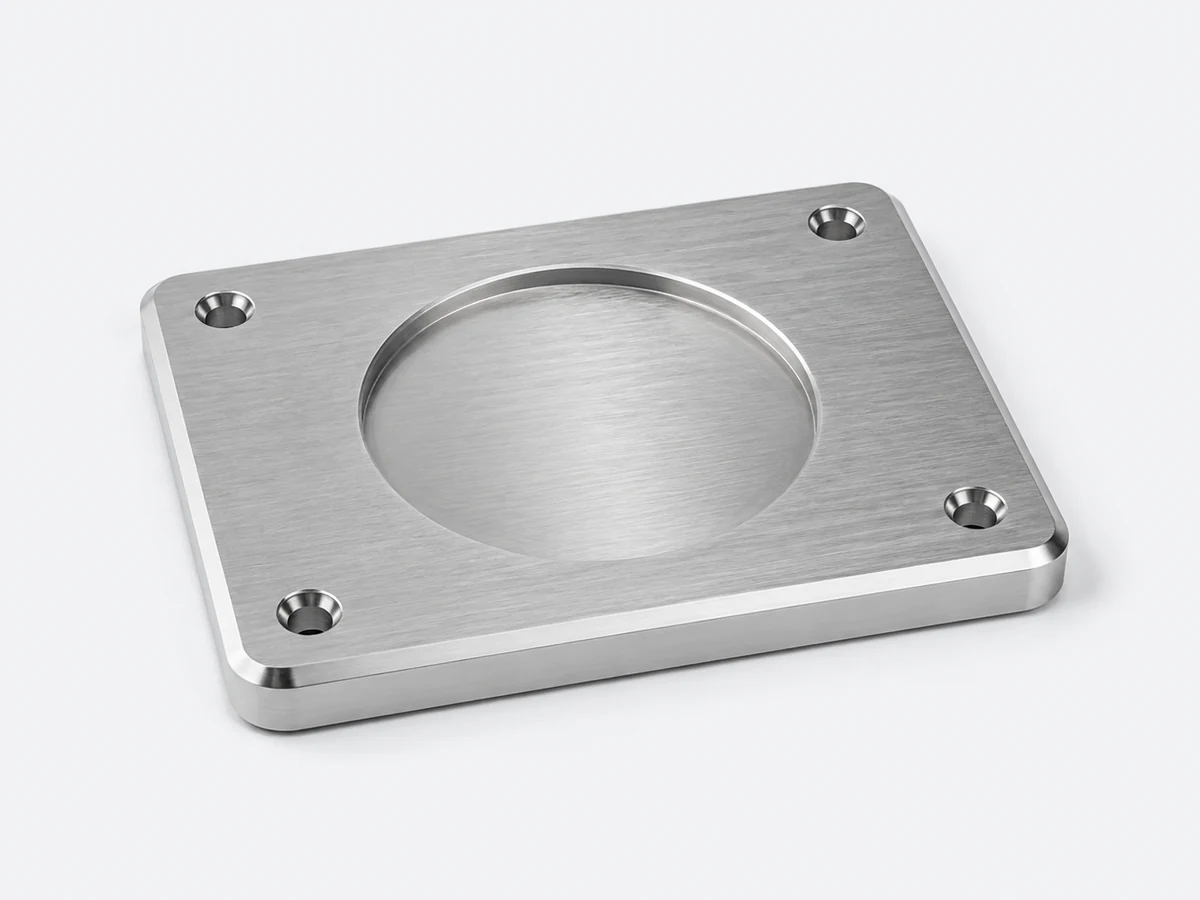
MaterialsStainless steel / aluminum
Typical useSmooth cosmetic surfaces or a defined directional grain.
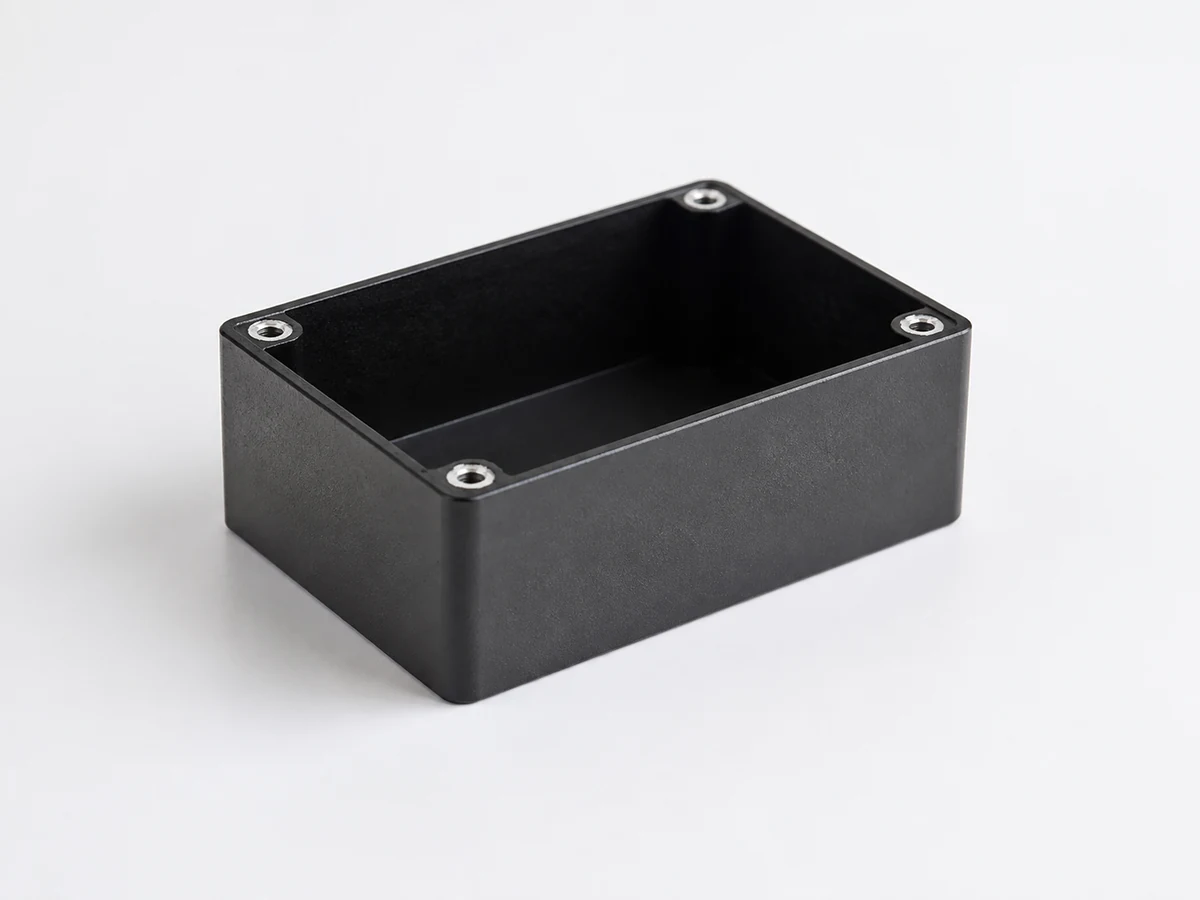
MaterialsAluminum / steel
Typical useDurable colored coating for functional or cosmetic requirements.
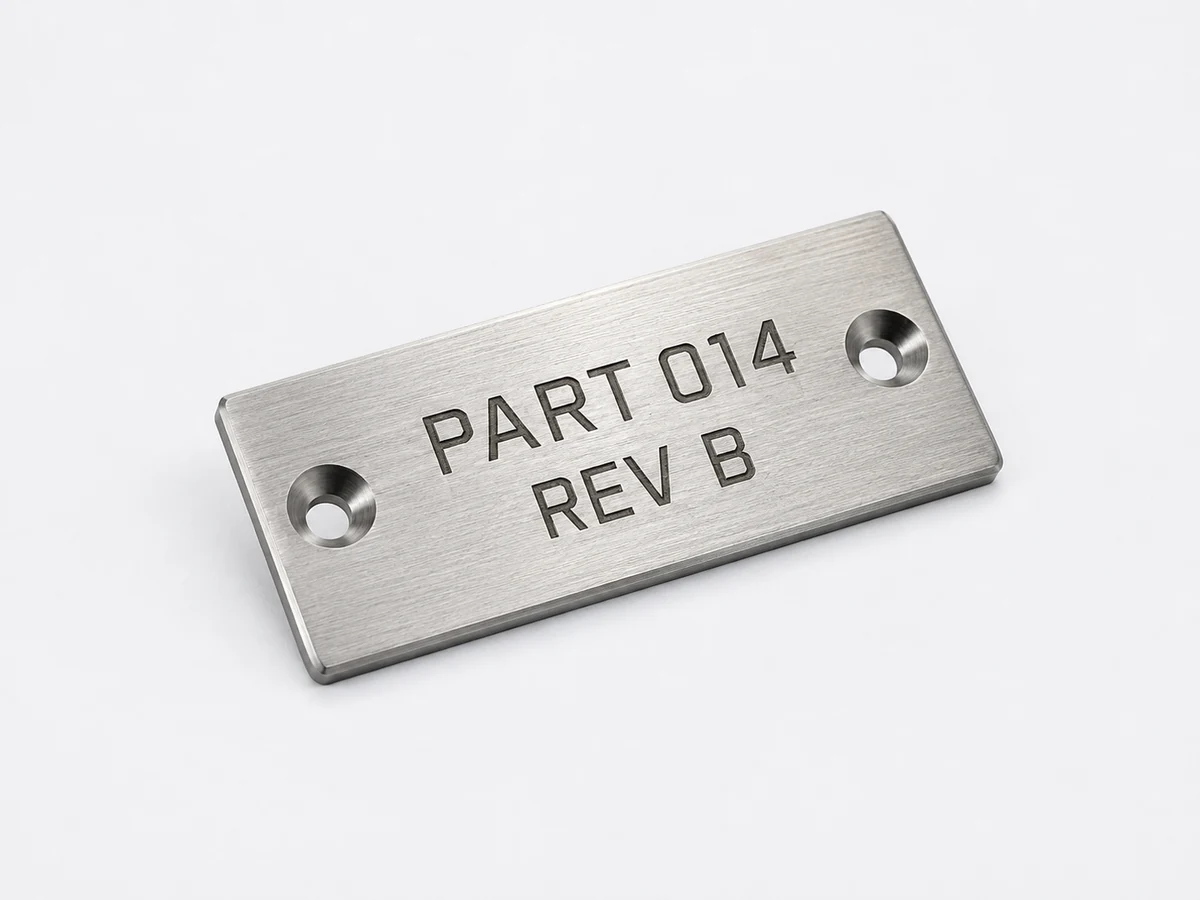
MaterialsCommon machinable metals
Typical usePart numbers, logos and permanent identification.
Finish images illustrate possible appearances; they are not process records or proof of material grade. Read our CNC surface finish guide
The best finishing results usually begin before the first toolpath is cut. We review finish requirements together with machining details to help reduce dimensional, masking and cosmetic issues later in the process.
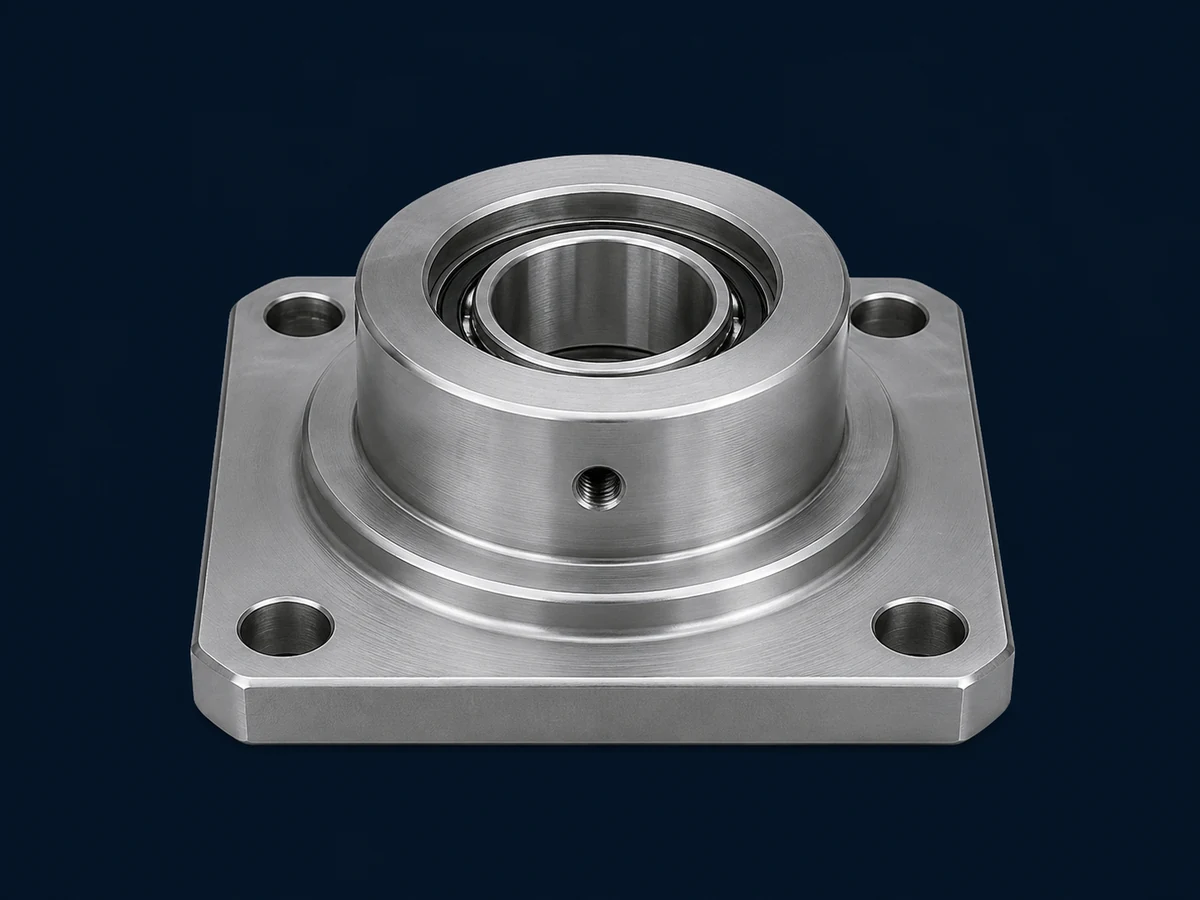
Masking AreaNo coating
Bearing FitCritical dimension
Cosmetic SurfaceAppearance requirement
ThreadsProtect / mask
Account for added or removed material where finished dimensions are critical.
Identify threads, bearing fits, electrical contacts and sealing areas that require protection.
Account for the finishing process when planning final fits and functional requirements.
Identify visible surfaces and define acceptable appearance requirements.
Deburring, radii and sharp edges can affect the final coating or cosmetic result.
Appearance can vary with material condition, surface preparation and production batch.
Typical finishing options for CNC-machined parts. Final selection should follow the drawing, application and finish specification.
| Material | Common Finishing Options | Typical Reasons / Applications |
|---|---|---|
| Aluminum | Anodizing, hard anodizing, bead blasting, powder coating, polishing, laser marking | Corrosion resistance, wear resistance, cosmetic appearance |
| Stainless steel | Passivation, bead blasting, polishing, brushing, electropolishing | Corrosion resistance, clean surfaces, appearance |
| Carbon / alloy steel | Black oxide, zinc plating, nickel plating, powder coating | Corrosion protection, appearance, functional protection |
| Brass | Polishing, nickel plating, clear coating | Appearance, corrosion protection |
| Titanium | Bead blasting, polishing, selected finishing processes | Appearance, surface preparation, application-specific requirements |
Actual HongKe machined parts provide the starting point. The drawing and approved finish requirements define the finishing plan.
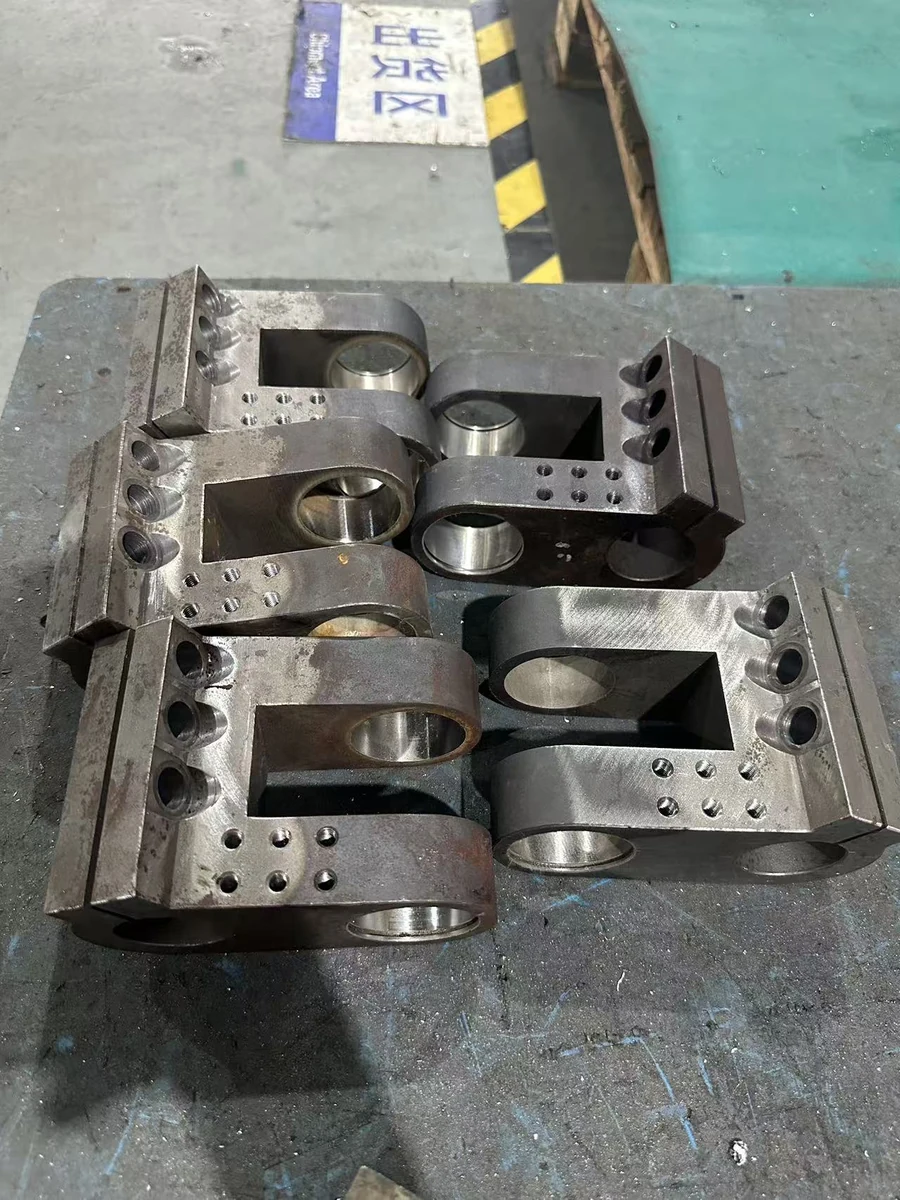
Bores, open slots, fixing holes and mating faces each need a clear role in the finish plan.
These review points relate to the photographed geometry and do not represent a claim about a specific alloy, finish, tolerance or measured result.
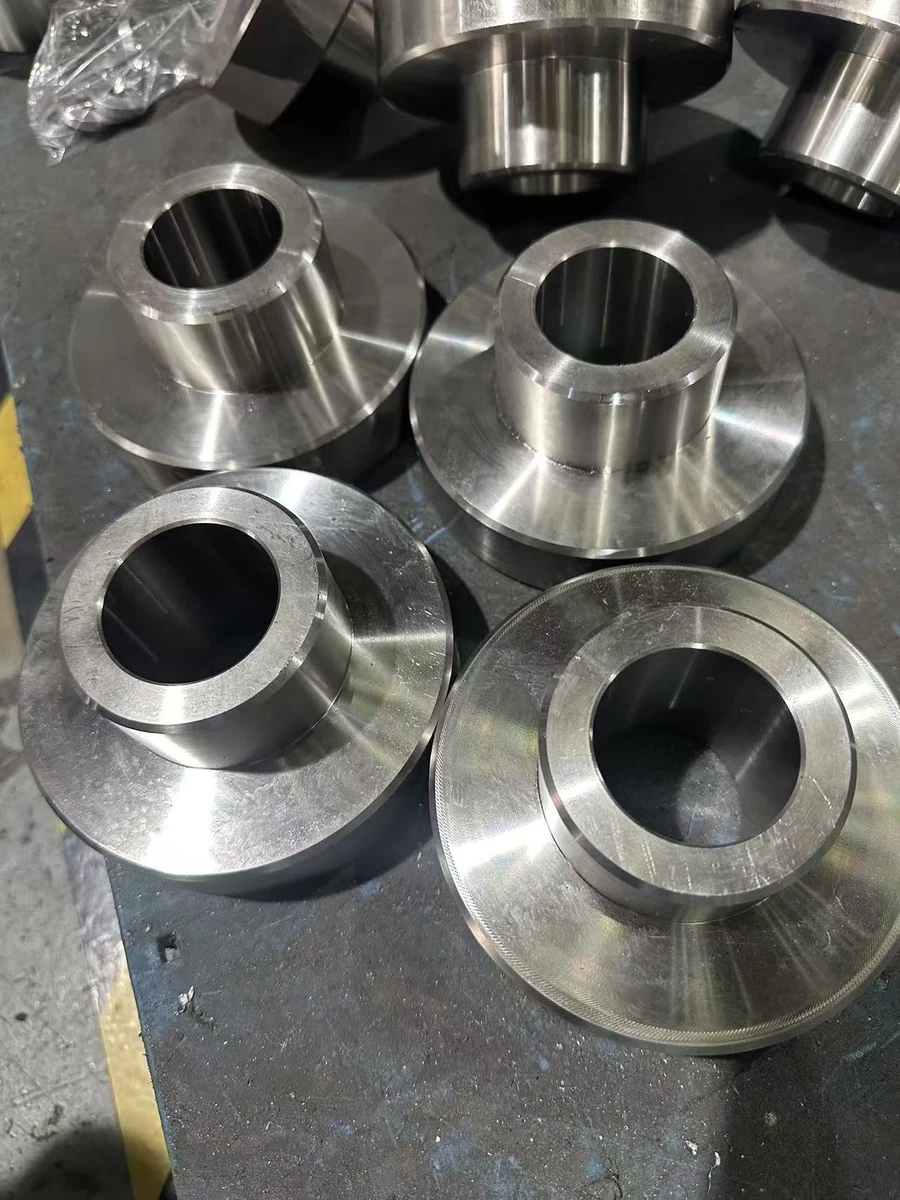
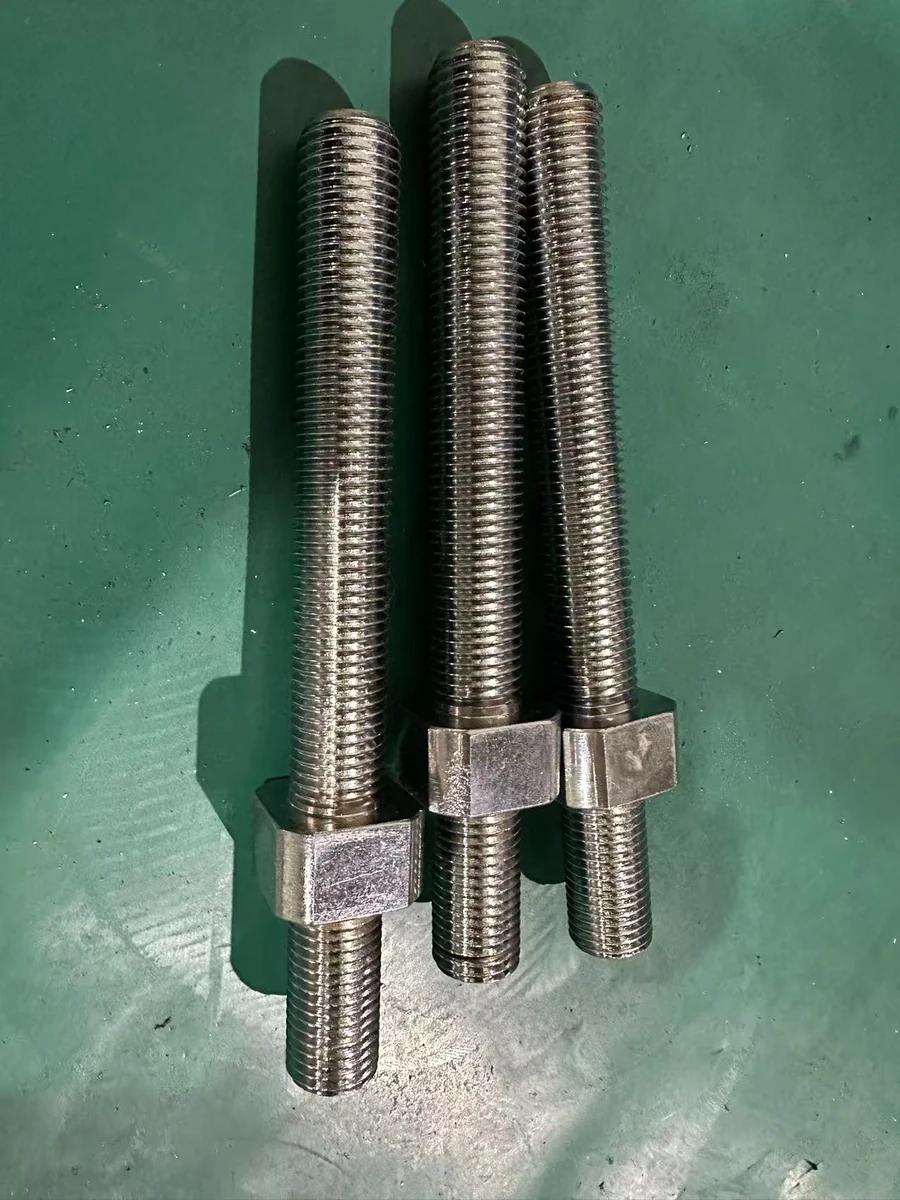
HongKe manages machining and project coordination. Specialized finishing partners perform the finishing processes.
One machining project. One point of contact.
For parts returning to HongKe after finishing, we review applicable project requirements before shipment.
Review applicable finished dimensions, bores and functional fits.
Review thread condition and protected functional areas where required.
Review visible surfaces and color / appearance consistency against defined requirements where applicable.
Check for visible scratches, chips or coating damage, and confirm quantity and part identification.
Supplier finishing documentation can be coordinated when required. See our inspection approach
Providing the right information helps us review machining and finishing requirements more efficiently.
Not sure how to specify the finish?Include the functional, environmental or appearance requirement in your RFQ.
Specification references are customer inputs for review, not claims of certification.
HongKe focuses on CNC machining. Specialized processes such as anodizing, plating and passivation are performed by specialized finishing partners and coordinated as part of the machining project.
Yes. Include the finish requirement in your drawing or RFQ, and we can review the machining and finishing requirements together.
Masking and other protected functional areas should be identified on the drawing or during project review. These requirements can then be coordinated with the applicable finishing partner.
Some coating and plating processes can affect finished dimensions. Critical fits and tolerances should therefore be considered when machining and finishing requirements are planned.
Where required and available for the selected process, relevant supplier documentation can be coordinated with the project.
Provide the drawing, material, quantity, finish type, applicable specification, color or appearance requirements, masking areas and critical dimensions where relevant.
Upload your drawing and let us review the machining, finish requirements and key production considerations together.
Upload Your Drawing