
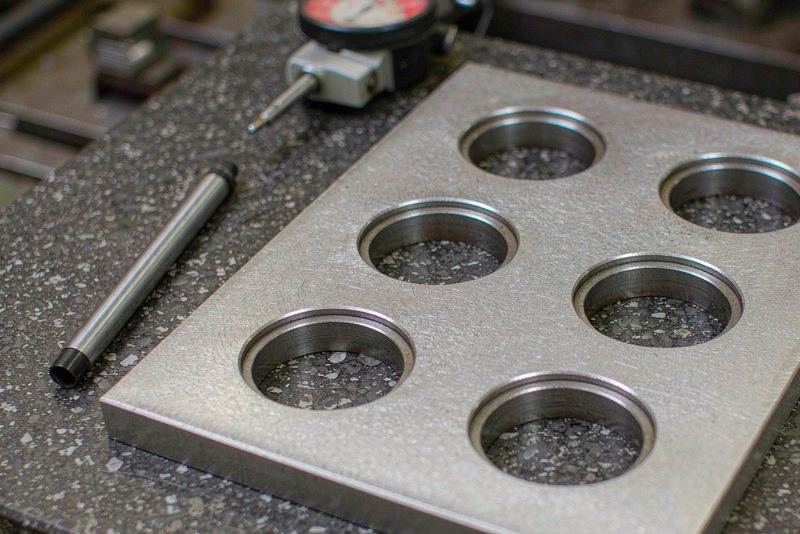
GD&T vs Plus/Minus Tolerance: Which One Fits the Feature
GD&T vs plus/minus tolerance explained: how the zone shape changes usable tolerance, when coordinate limits are enough, and where geometric controls pay off.
Read guidePractical engineering guidance for CNC machining decisions.
GD&T vs plus/minus tolerance explained: how the zone shape changes usable tolerance, when coordinate limits are enough, and where geometric controls pay off.
Read guide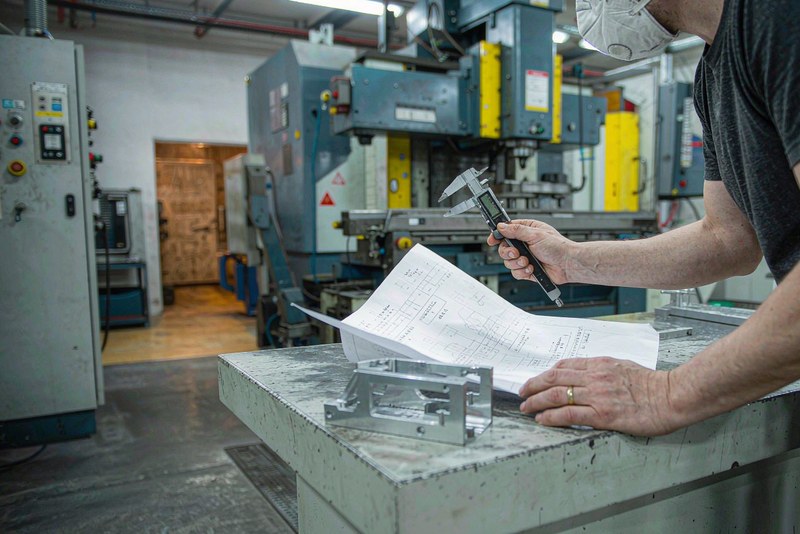
Profile tolerance sets a total zone around a true profile. Here is how the zone splits, when to bias it to one side, and how the callout is inspected.
Read guide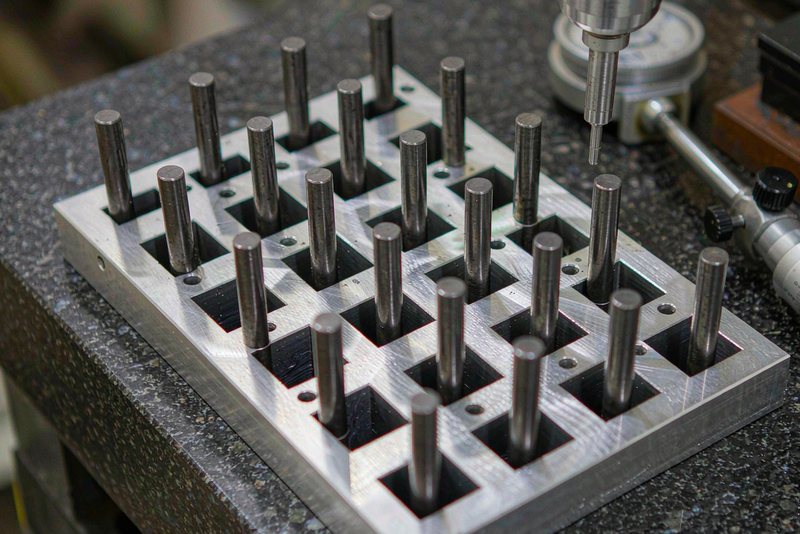
A projected tolerance zone controls where the mating pin lands, not just where the hole is machined. How to apply the modifier and verify it.
Read guide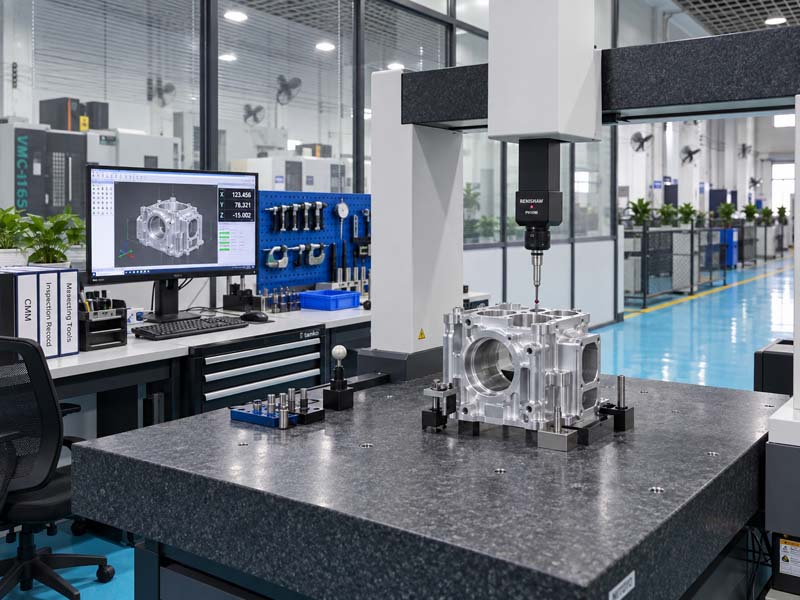
This guide explains CNC machining tolerances, surface finishes, and inspection methods. Engineers will learn how to specify dimensions, choose surface treatments, and ensure quality in aluminum and metal parts production. Includes practical DFM tips.
Read guide
Unilateral vs bilateral tolerance explained for CNC parts: how tolerance direction shifts the cutting target, what it costs to hold, and how to call it out.
Read guideUnderstanding CNC machining tolerances is essential for successful part design. This guide covers standard tolerance grades, factors affecting precision, GD&T basics, inspection methods, and cost-saving tips to help engineers and designers communicate specifications effectively and avoid common pitfalls.
Read guideShare your drawing, material and quantity for an engineering review and quotation.