Introduction to CNC Machining
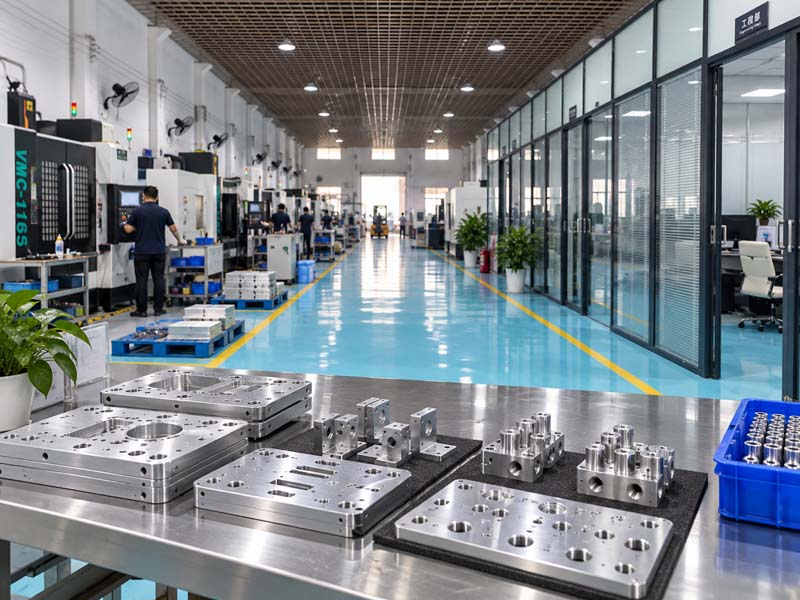
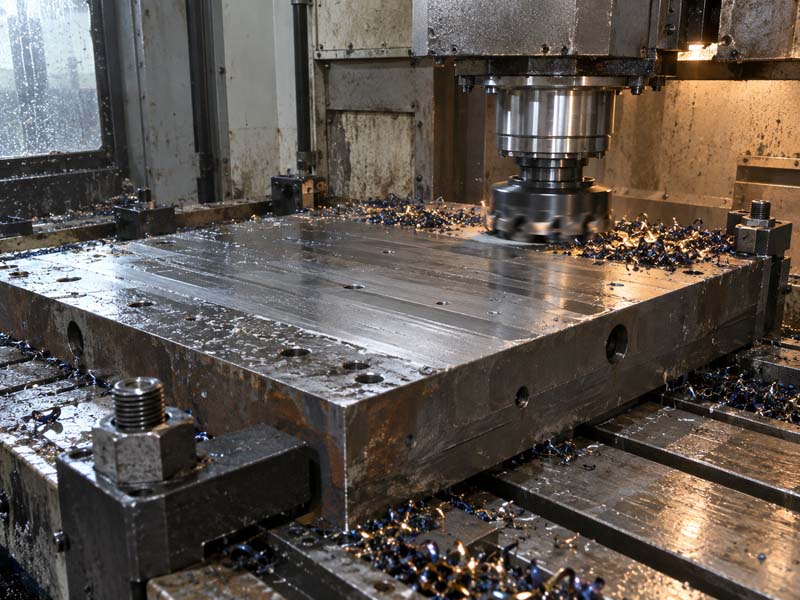
CNC (Computer Numerical Control) machining is a subtractive manufacturing process where pre-programmed computer software controls the movement of factory tools and machinery. This process can control a range of complex machinery, from grinders and lathes to mills and routers. With CNC machining, three-dimensional cutting tasks can be accomplished in a single set of prompts. This guide provides a foundational understanding of CNC machining basics, including the process, materials, design tips, and quality considerations.
The CNC Machining Process
The CNC machining process typically involves the following steps:
- Design Phase: A 3D CAD model is created using software like SolidWorks, AutoCAD, or Fusion 360.
- CAM Programming: The CAD model is imported into CAM software to generate toolpaths. The programmer selects cutting tools, speeds, feeds, and depths of cut.
- Setup: The raw material (workpiece) is securely mounted on the machine bed using vises, fixtures, or clamps. Tools are loaded into the tool changer.
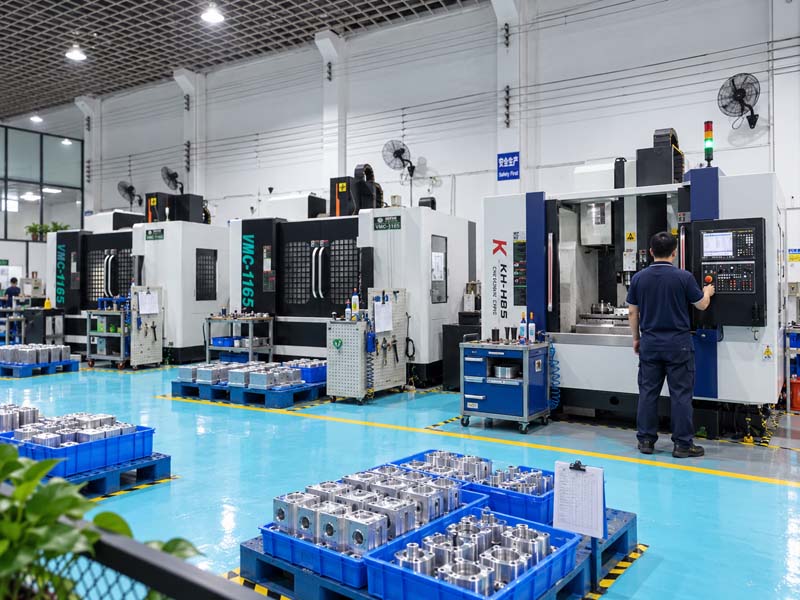
- Machining: The CNC machine executes the program automatically. Operators monitor the process for any anomalies.
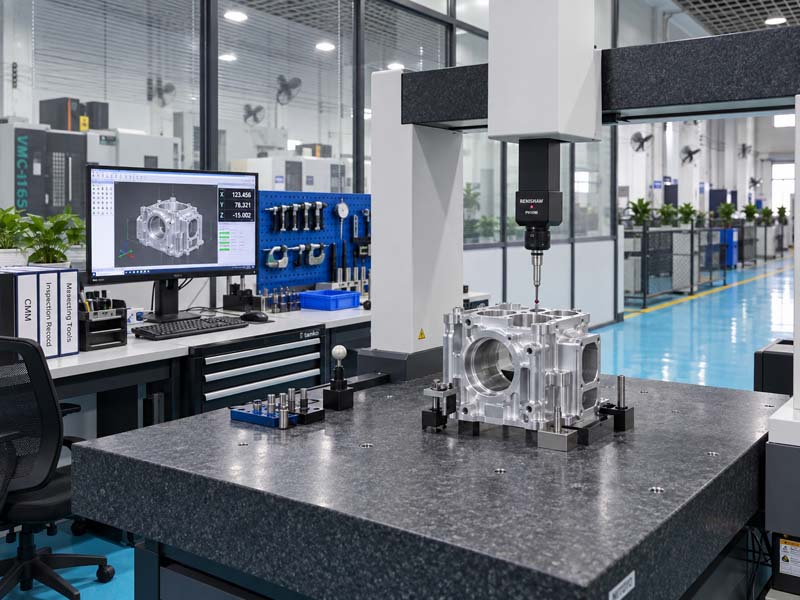
- Inspection: After machining, parts are inspected using calipers, micrometers, CMMs, or other metrology equipment to verify dimensions and surface finish.
Common Materials for CNC Machining
Metals
Aluminum alloys (e.g., 6061, 7075) are the most popular due to their excellent machinability, light weight, and good strength. Steel (e.g., 4140, stainless 304/316) offers higher strength but requires more rigid setups and lower cutting speeds. Brass and copper are used for fittings and electrical components due to their corrosion resistance and conductivity.
Plastics
Engineering plastics like ABS, Delrin (POM), Nylon, and PEEK are widely machined for prototypes and end-use parts. They offer good chemical resistance, low friction, and electrical insulation. However, they can be prone to melting if cutting parameters are not optimized.
Design for Machining (DFM) Principles
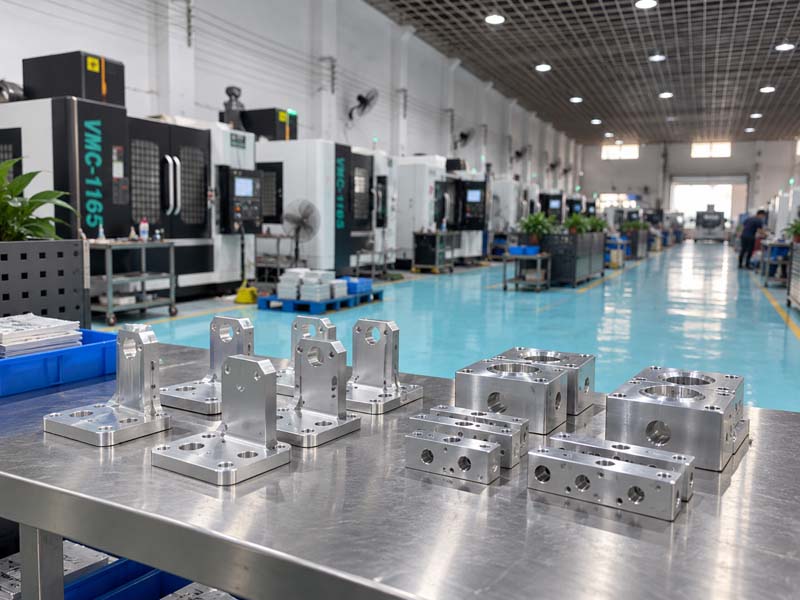
Designing parts for CNC machining can significantly reduce cost and lead time. Consider the following:
- Internal Radii: Inside corners should have radii larger than the tool radius. Sharp internal corners require specialized tooling or EDM.
- Wall Thickness: Maintain uniform wall thickness to avoid distortion. Thin walls (<0.5mm for metal, <1mm for plastic) are difficult to machine.
- Undercuts: Avoid deep undercuts that need custom tools. Design parts with standard tool access.
- Threads: Specify standard thread sizes (UNC, UNF, M) to reduce tooling costs.
- Holes: Depth-to-diameter ratio should be less than 4:1 for standard drilling. Deeper holes may require gun drilling.
- Tolerances: Tighter tolerances increase cost. Use ±0.1mm for general tolerances, ±0.05mm for precision, and ±0.01mm only when necessary.
Surface Finishes
CNC machined parts can have various surface finishes depending on the application:
- As-Machined: Standard surface after machining. Typical Ra 1.6–3.2 µm for metals.
- Bead Blasting: Creates a uniform matte finish, hiding tool marks.
- Anodizing: For aluminum, provides corrosion resistance and color options.
- Powder Coating: Thick, durable coating for outdoor parts.
- Plating: Chrome, nickel, or zinc plating for improved appearance and wear resistance.
Quality Control and Inspection
At Hongke CNC, quality control is integrated throughout the machining process. In-process inspection, final inspection using CMM (Coordinate Measuring Machine), and surface roughness testers ensure parts meet specifications. For complex geometries, five-axis CNC milling and wire EDM (Electrical Discharge Machining) provide high accuracy.
Choosing a CNC Machining Partner
When selecting a manufacturer, consider their equipment capabilities (3-axis, 4-axis, 5-axis, turning centers), material expertise, quality certifications (ISO 9001), and turnaround time. Hongke CNC offers comprehensive CNC machining services with advanced machinery and experienced engineers to handle projects from prototype to mass production.
Conclusion
Understanding the basics of CNC machining empowers engineers and product designers to create cost-effective, high-quality parts. By focusing on design for manufacturability, material selection, and proper tolerancing, you can streamline production and achieve the desired performance. For more detailed technical guides on specific topics like tolerances, materials, or surface finishes, explore other articles in our Technical Guides section.