Quick Answer
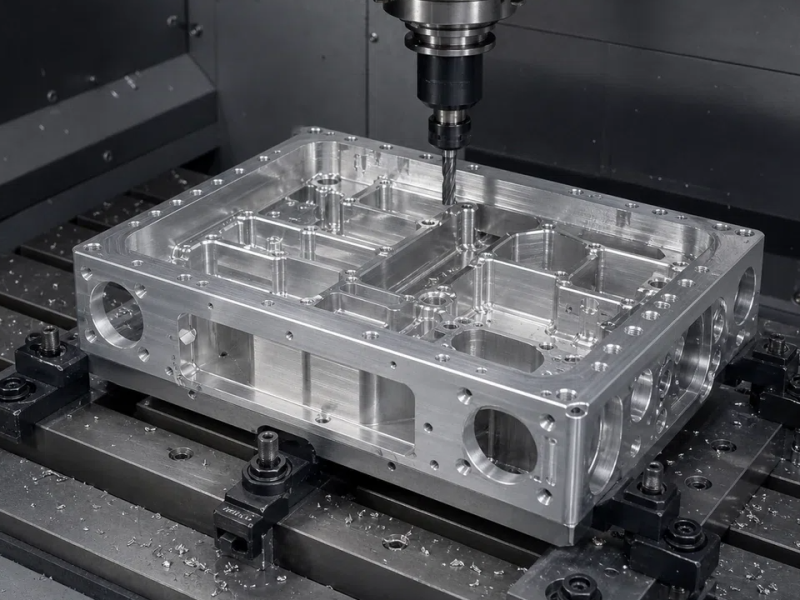
Thin walls are more likely to machine reliably when geometry, material, workholding and machining access are considered together. Keep unsupported sections short, avoid abrupt thickness changes where function allows, and leave enough support for material to be removed without excessive distortion.
Key Takeaways
- Relate wall thickness limits to material stiffness and unsupported span.
- Provide accessible locating and clamping surfaces so the part can remain stable during critical machining operations.
- Use ribs, returns or local thickness where stiffness matters more than minimum mass.
Wall thickness cannot be judged from a nominal dimension alone. Two walls with the same thickness may behave very differently if one is short and supported while the other is tall, deeply pocketed or lightly restrained. Material condition, workholding, tool access and the required inspection state all affect how the feature behaves during machining and after release.
Define the final state of the wall
Does the wall carry load, separate passages, support a seal or merely provide an enclosure? Identify the service requirement before reducing material. Then state whether dimensions apply to the free part, an assembly or a specified restrained condition. A wall that measures correctly while clamped may move after release.
Separate dimensional accuracy from surface appearance. Deflection, chatter and local damage are different issues, although the same lack of stiffness can contribute to several of them. Clarify which characteristics determine acceptance so that the machining reviewer can focus on meaningful risk.
Examine height, span and support
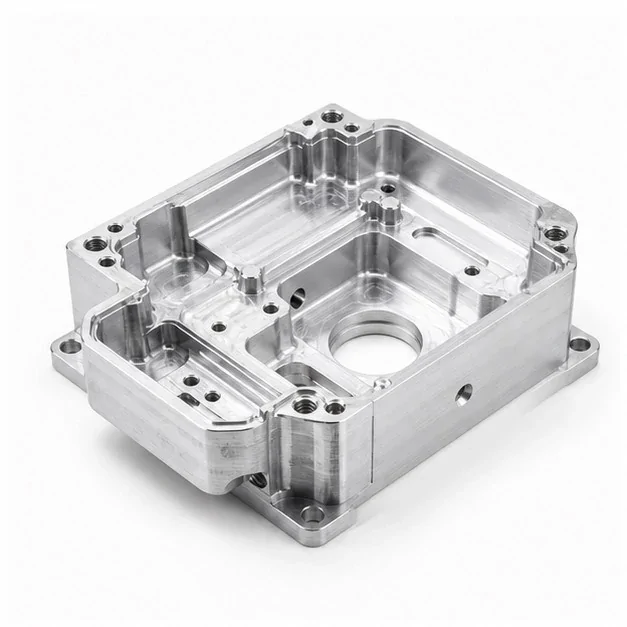
A wall supported along several edges may resist cutting forces differently from a long open span. Nearby pockets can remove material that previously supported the feature. The order of operations therefore matters: a wall may be stable during roughing but vulnerable during its final pass.
Ask whether ribs, shorter spans or a thicker local region are acceptable. A removable support or a different sequence may help, but neither should be assumed without a process review. The design authority should approve any permanent geometry change that affects mass, clearance, thermal behavior or assembly.
Material behavior extends beyond strength
Stock condition and residual stress can influence distortion as material is removed. Heat and clamping can change the part's shape during cutting or inspection. Plastics and metals also respond differently to temperature and support conditions; one thickness guideline cannot be carried from one material to another without review.
Specify the exact material and condition through the materials page workflow. When several grades are possible, compare the geometry and acceptance requirements alongside the material choice. Do not infer machining stability from a strength value alone.
Tool access can make a thin wall harder to finish
| Geometry condition | Manufacturing concern | What to review |
|---|---|---|
| Deep neighboring pocket | Longer tool reach and holder clearance | Pocket depth, cutter access and holder clearance |
| Tall unsupported wall | Deflection and vibration under cutting forces | Wall height, span and surrounding support |
| Large stock removal | Changing support and possible movement | Machining sequence and material remaining during finishing |
| Tight free-state tolerance | Control after unclamping and stabilization | Functional requirement and final inspection state |
Both a slender tool and a thin wall can deflect during the same cut. Access from another direction or more room for the cutter may make the feature easier to finish. Discuss these options with CNC milling support before fixing every pocket and wall dimension.
What to Include in a Thin-Wall Review
| Parameter | Information to provide | Decision it supports |
|---|---|---|
| Thickness | Nominal section and allowable variation | Required material left in the final part |
| Unsupported geometry | Height, span and adjacent pockets | Assessment of stiffness and access |
| Material | Exact grade, condition and stock form | Review of thermal response and stock-removal movement |
| Service function | Load, sealing, separation or enclosure duty | Identifies acceptable design changes |
| Acceptance state | Free, assembled or specified restraint | Prevents clamped and released measurements being confused |
| Measurement | Locations, support and evidence required | Checks whether the inspection method suits the wall |
Plan inspection without hiding movement
Agree on how the wall is supported, where it is measured and what finished state applies. If a wall only meets tolerance while it is clamped, confirm whether the drawing requires that dimension in the clamped or free state. Specify which features need recorded results and how many parts must be checked.
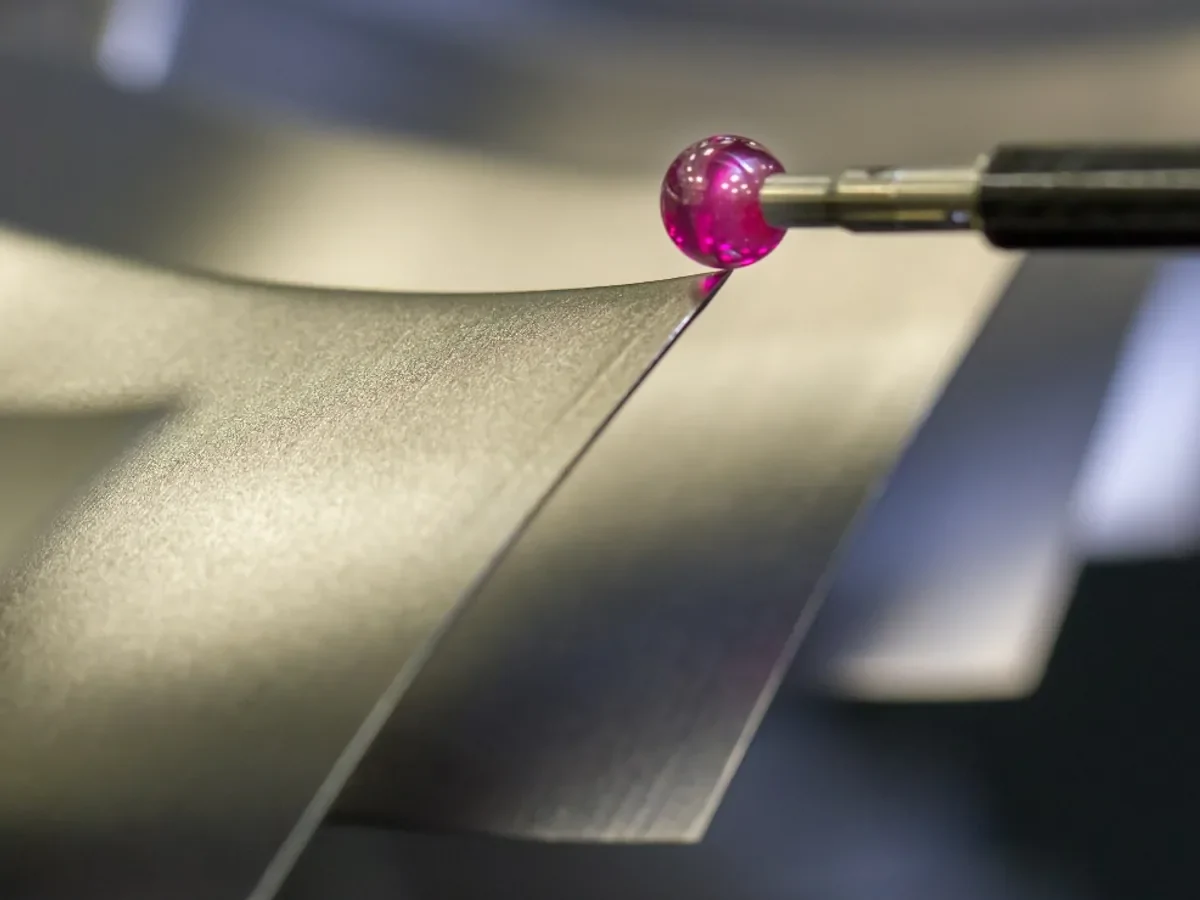
The site's quality planning information identifies methods that may be considered, but the geometry determines which method is suitable. A contact measurement can itself affect a flexible feature; the reviewer should account for the part's response and measurement uncertainty.
What This Means for Your Part
Mark where the wall can be changed and where weight, space or function prevents thickening. Include those limits with your RFQ so the reviewer can assess the complete feature. Before releasing a thin-wall design, confirm:
- Unsupported wall height and span
- Material grade and condition
- Nearby pocket depth and remaining support
- Locating and clamping access
- Functional tolerance and inspection state