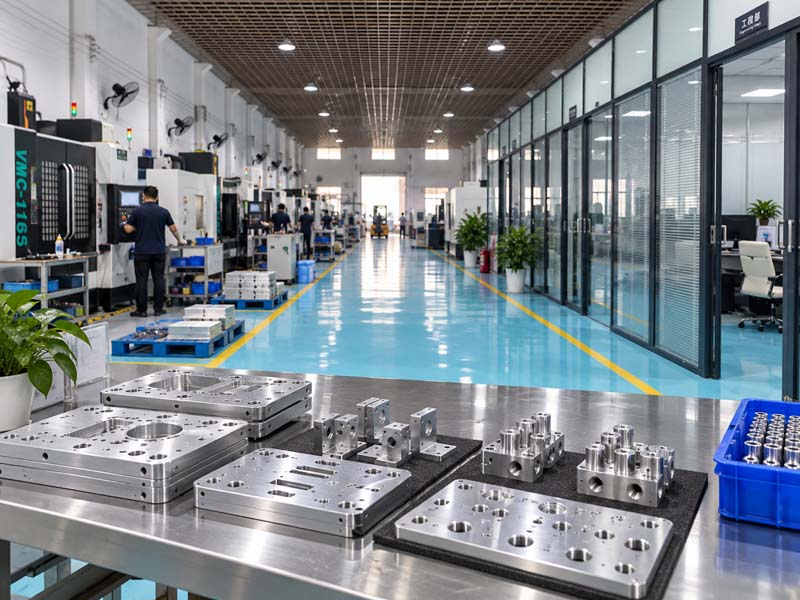
Why Material Selection Matters in CNC Machining
CNC machining is a versatile manufacturing process capable of producing high-precision parts from a wide range of materials. However, the material you choose directly impacts the part's mechanical properties, surface finish, machining cost, and lead time. Engineers and product designers must balance strength, weight, corrosion resistance, thermal conductivity, and machinability when selecting the right metal or plastic for their application. This guide explores the most common materials used in CNC machining, their key characteristics, and practical recommendations to optimize your design for manufacturability and performance.
Aluminum Alloys: Lightweight and Versatile
Aluminum is one of the most popular materials for CNC machining due to its excellent machinability, low density, good strength-to-weight ratio, and natural corrosion resistance. Common aerospace and automotive grades include 6061, 7075, and 2024.
6061 Aluminum
6061 is a general-purpose alloy that offers good mechanical properties, weldability, and machinability. It is ideal for structural parts, brackets, housings, and prototypes. The typical tensile strength is around 45,000 psi. It can be anodized for enhanced wear resistance and aesthetic appearance.
7075 Aluminum
7075 is much stronger than 6061 (tensile strength up to 83,000 psi) and is often used in high-stress applications like aircraft components, bicycle frames, and tooling. It is slightly harder to machine than 6061 but still very manageable on modern CNC equipment.
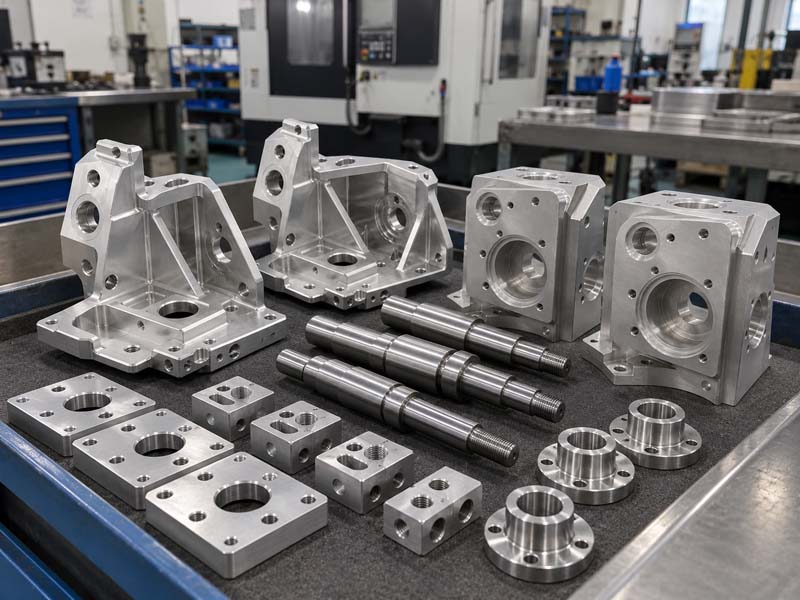
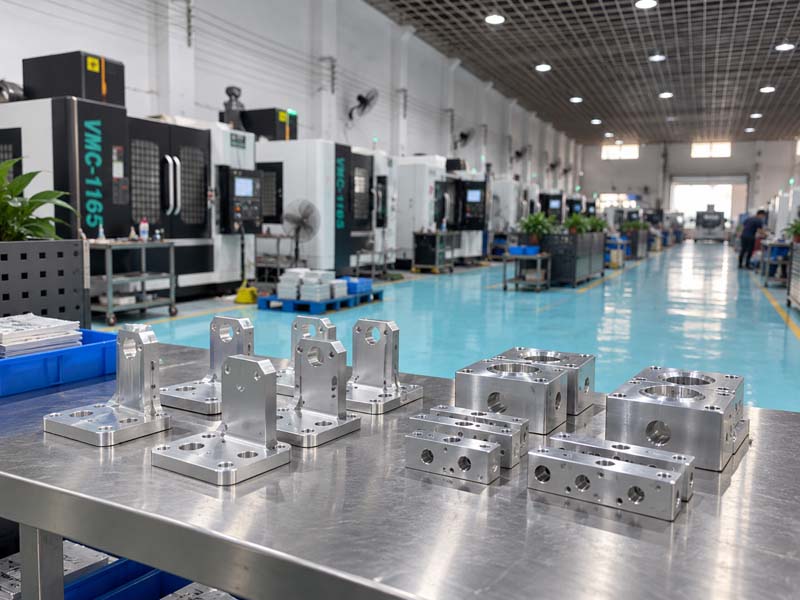
Aluminum parts often require tight tolerances and fine surface finishes. Machining aluminum generates small chips that are easily evacuated, allowing high spindle speeds and feed rates. The image below shows a batch of aluminum brackets and housings after CNC milling, highlighting the clean edges and consistent quality.
Steel and Stainless Steel: Strength and Durability
Carbon steels (e.g., 1018, 1045) and alloy steels (e.g., 4140, 4130) are widely used when high strength, hardness, and wear resistance are required. However, their machinability is lower than aluminum, requiring slower cutting speeds and robust tooling. Stainless steels (e.g., 303, 304, 316) add excellent corrosion resistance, making them essential for medical, food processing, and marine applications.
303 Stainless Steel
303 is a free-machining stainless steel that offers good corrosion resistance and is easier to machine than 304 or 316. It is often used for fittings, shafts, and fasteners where moderate corrosion resistance is acceptable.
304/316 Stainless Steel
304 is the most common stainless steel, offering good corrosion resistance and formability. 316 contains molybdenum for superior resistance to chlorides and acidic environments. Both require careful control of cutting parameters to avoid work hardening.
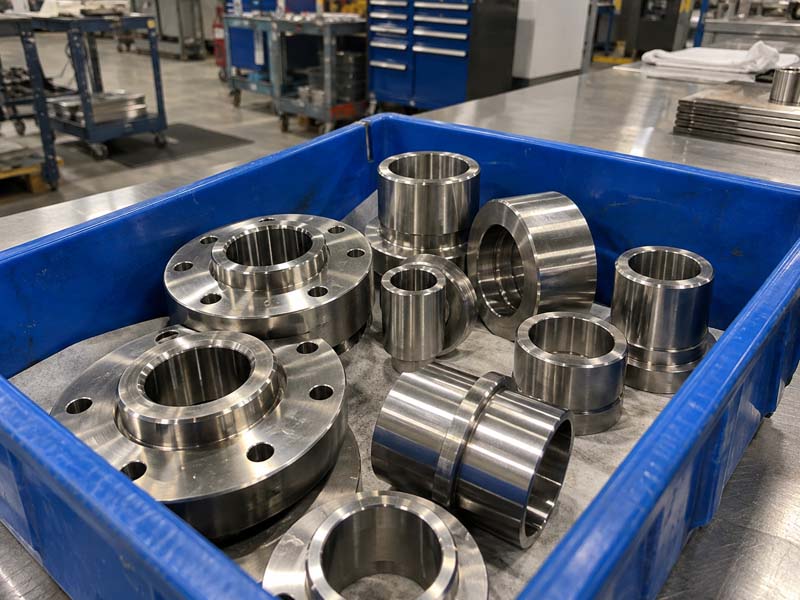
When machining stainless steel, it's crucial to use sharp carbide tools, efficient coolant delivery, and rigid setups to prevent chatter and tool wear. The photo below shows a bin of stainless steel flanges and sleeves after CNC turning and milling, demonstrating the characteristic luster of stainless parts.
Brass and Copper Alloys: Excellent Machinability
Brass (e.g., C36000 free-cutting brass) is highly regarded for its excellent machinability, creating fine chips and allowing high-speed machining with good surface finish. Brass offers moderate strength, good corrosion resistance, and an attractive golden appearance. It is commonly used for decorative parts, plumbing fittings, electrical connectors, and precision components like gears and valves.
Copper and its alloys, such as beryllium copper, provide high electrical and thermal conductivity. However, pure copper can be gummy to machine, requiring sharp tools and specialized strategies. Brass is generally preferred for machined parts due to its superior chip breaking and consistent finish.
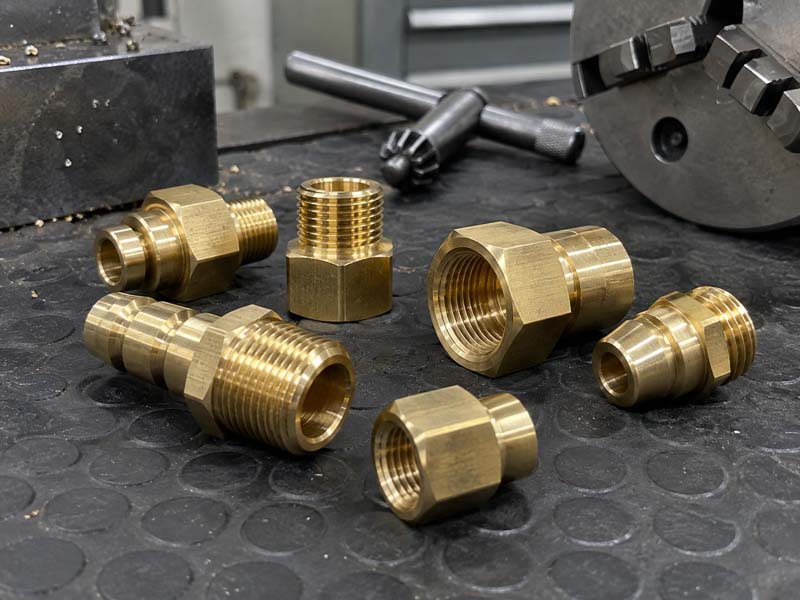
In the image below, a set of brass threaded fittings illustrates the precision achievable with CNC turning and threading operations on brass.
Titanium: High Performance but Challenging
Titanium alloys (e.g., Ti-6Al-4V) offer exceptional strength-to-weight ratio, corrosion resistance, and biocompatibility, making them indispensable for aerospace, medical implants, and high-performance automotive components. However, titanium is notoriously difficult to machine due to its low thermal conductivity, high chemical reactivity, and tendency to work-harden. Successful machining requires rigid setups, low cutting speeds, high feed rates, and copious coolant to manage heat.
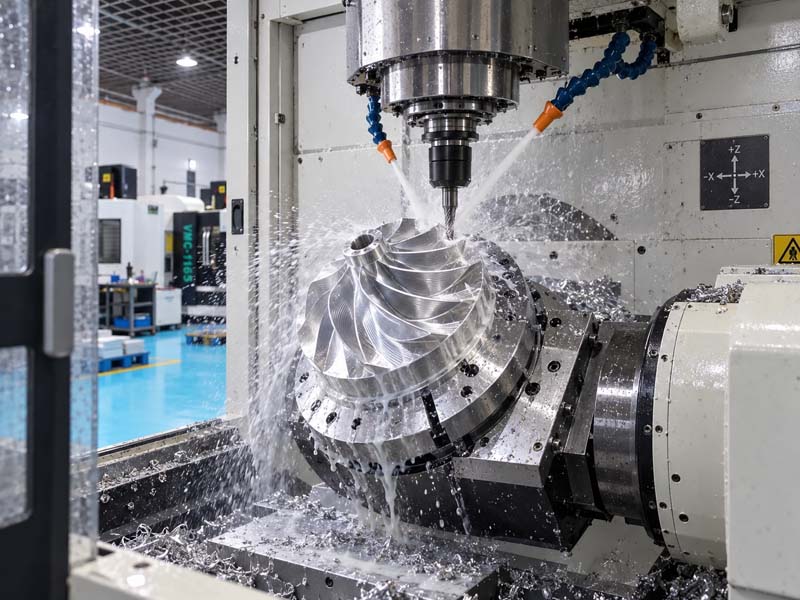
For complex shapes like turbine impellers, 5-axis CNC machining is often required. The photo below shows a large turbine impeller during five-axis milling, a typical application for titanium.
Engineering Plastics: Lightweight Alternatives
While this guide focuses on metals, engineering plastics such as Nylon, Delrin (POM), ABS, and PEEK are also commonly machined when low friction, electrical insulation, or weight reduction are needed. Plastics are generally easier to machine than metals but may require sharp tools to avoid melting or burrs. They are often chosen for bushings, bearings, fixtures, and prototypes.
Key Factors for Material Selection
When deciding which material to use for your CNC machined part, consider the following criteria:
- Machinability: How easily can the material be cut without excessive tool wear or poor surface finish? Brass and aluminum are top performers; titanium and stainless steel are more challenging.
- Strength & Hardness: Does the part need to withstand static or dynamic loads? Steel and titanium offer high strength; aluminum is lighter but less strong.
- Corrosion Resistance: Will the part be exposed to moisture, chemicals, or salt? Stainless steel, brass, and anodized aluminum are excellent choices.
- Thermal Properties: Does the part need to conduct or insulate heat? Copper and aluminum are good conductors; plastics and titanium are poor conductors.
- Cost & Availability: Aluminum and steel are cost-effective; titanium and exotic alloys are expensive and may have longer lead times.
- Surface Finish & Tolerances: Some materials can achieve mirror finishes (e.g., brass, aluminum) while others may require post-processing.
Conclusion
Understanding the characteristics of different CNC machining materials empowers you to make smarter design decisions. By aligning material properties with functional requirements and manufacturability, you can reduce costs, improve part quality, and accelerate your product development. Whether you choose aluminum for its versatility, stainless steel for its durability, or brass for its machinability, always collaborate with an experienced machining partner like Hongke CNC to optimize your part design for the selected material. Explore our Technical Guides for more in-depth articles on tolerances, surface finishes, and design for manufacturing.