Introduction: Why Aluminum is a Favorite for CNC Machining
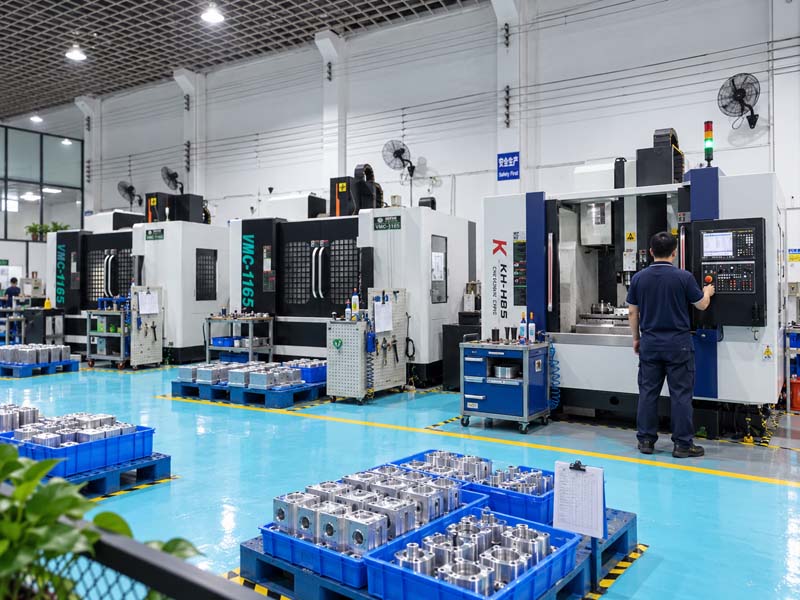
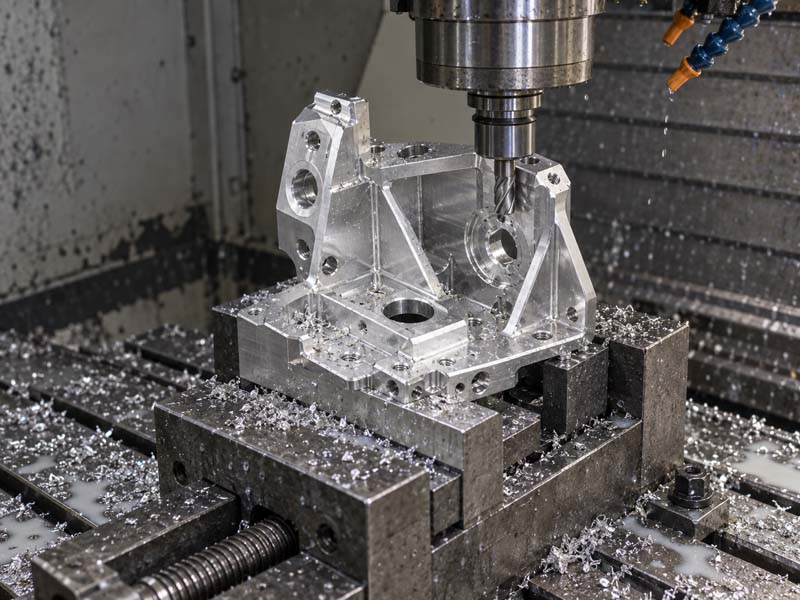
Aluminum is one of the most widely used materials in CNC machining, prized for its excellent strength-to-weight ratio, good machinability, and natural corrosion resistance. From aerospace brackets to electronic enclosures, aluminum parts are found in nearly every industry. However, achieving optimal precision, surface finish, and cost-efficiency requires a solid understanding of the material's behavior and the machining process. This guide covers the key factors to consider when machining aluminum parts, helping engineers and buyers make informed decisions.
Selecting the Right Aluminum Alloy
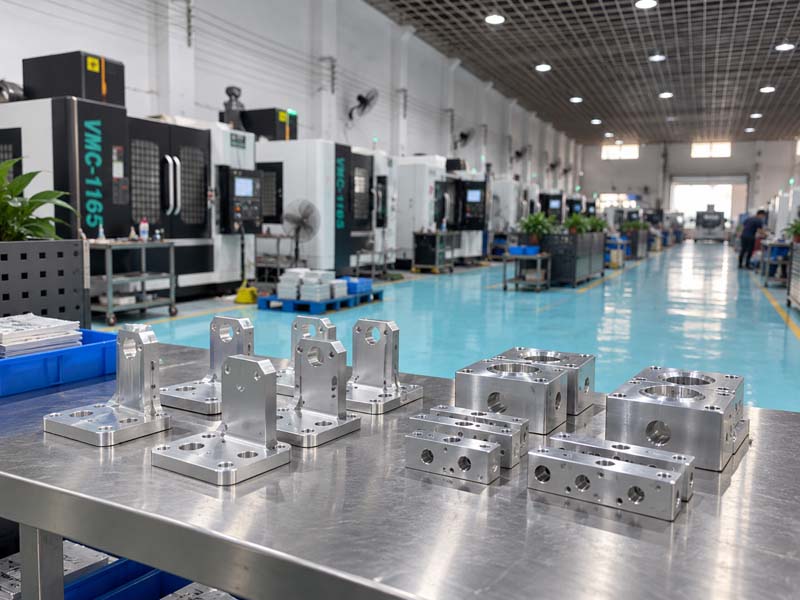
Not all aluminum alloys machine the same way. The most common choices for CNC machining are:
6061 Aluminum
6061 is the workhorse of the industry. It offers good strength, excellent weldability, and great corrosion resistance. It machines well with proper chip control and is ideal for structural parts, brackets, and housings. Typical applications include automotive components, frames, and general mechanical parts.
7075 Aluminum
7075 is much stronger than 6061, comparable to many steels in strength. It is often used in aerospace and high-stress applications. However, it is more prone to work hardening and requires sharper tools and careful feeds to avoid built-up edge.
2024 and 5083
2024 offers high strength and fatigue resistance, commonly used in aircraft structures. 5083 is excellent for marine environments due to its superior corrosion resistance. Both have good machinability but may require specific tool coatings.
When selecting an alloy, consider the part's mechanical requirements, environment, and cost. For most general-purpose parts, 6061-T6 is the most cost-effective and readily machinable option.
Design for Machinability (DFM) Tips
Designing parts that are easy to machine reduces cycle time, tool wear, and cost. Key considerations include:
- Wall thickness: Avoid thin walls (under 0.5 mm for aluminum) to prevent vibration and deflection. Use uniform thickness when possible.
- Internal corners: Specify a radius of at least 1/3 of the cavity depth to allow standard end mills. Sharp corners require EDM or special tools.
- Threaded holes: Use standard thread sizes. For deep threads, consider thread inserts or avoid depths greater than 3x the diameter.
- Undercuts and deep pockets: Minimize their use. If necessary, design with standard tool diameters in mind.
A well-designed part not only machines faster but also achieves tighter tolerances and better surface finishes.
Fixturing and Workholding
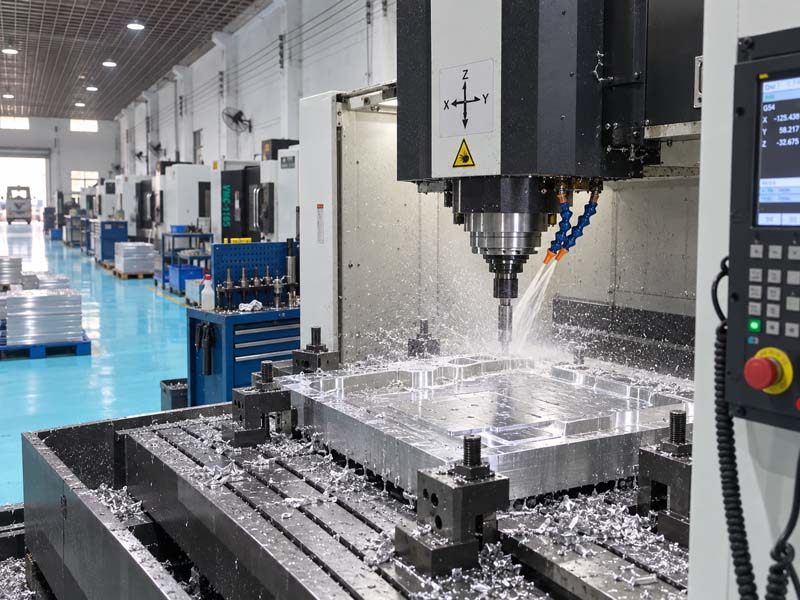
Proper workholding is critical for precision. For aluminum parts, common methods include:
- Vise clamping: Suitable for rectangular stock. Use soft jaws to avoid marking.
- Fixture plates with locating pins: Ideal for repeatable setups in batch production. Modular fixture plates (e.g., with dowel pin holes) allow quick changeover.
- Vacuum tables: For thin or non-magnetic parts, vacuum holds the workpiece evenly without distortion.
- Custom fixtures: For complex geometries, aluminum soft jaws or dedicated fixtures reduce vibration.
Always ensure the part is rigidly supported to minimize chatter. For thin-wall parts, consider using support ribs or leaving extra material for clamping that is later removed.
Tooling and Cutting Parameters
Selecting the right tooling and parameters makes a significant difference in part quality and tool life.
Tool Material and Coatings
Carbide end mills are standard for aluminum. A high-polish (bright) finish or a coating like TiB2 (titanium diboride) helps prevent aluminum from sticking. Uncoated carbide also works well with proper coolant.
Cutting Speeds and Feeds
Aluminum can be machined at high spindle speeds (10,000–20,000 RPM or more) with moderate to aggressive chip loads. Typical values for 6061: 0.1–0.2 mm/tooth feed, 3–5 mm radial depth of cut. Use chip thinning calculations for small stepovers. Always use coolant or mist to evacuate chips and control heat.
Toolpath Strategies
Trochoidal milling (adaptive clearing) is excellent for aluminum, maintaining constant chip load and reducing heat buildup. Climb milling is preferred to reduce burr formation.
Tolerances and Surface Finishes
CNC machining can hold tight tolerances on aluminum parts. Typical industry standards:
- Linear dimensions: ±0.1 mm (general), ±0.05 mm (precision)
- Hole positions: ±0.05 mm
- Flatness: 0.1 mm per 100 mm
Surface finishes range from as-machined (Ra 1.6–3.2 µm) to fine finishes (Ra 0.4–0.8 µm) with polishing or special toolpaths. For improved appearance and corrosion resistance, post-processing like bead blasting, anodizing, or powder coating is common. Anodizing adds a protective oxide layer and is available in various colors.
Quality Inspection of Aluminum Parts
To ensure parts meet specifications, rigorous inspection is essential. Common inspection methods include:
- CMM (Coordinate Measuring Machine): Provides high-accuracy dimensional verification for complex geometries.
- Height gauges and micrometers: For quick measurement of critical features.
- Thread gauges: For threaded holes and fittings.
- Surface roughness testers: To confirm Ra values.
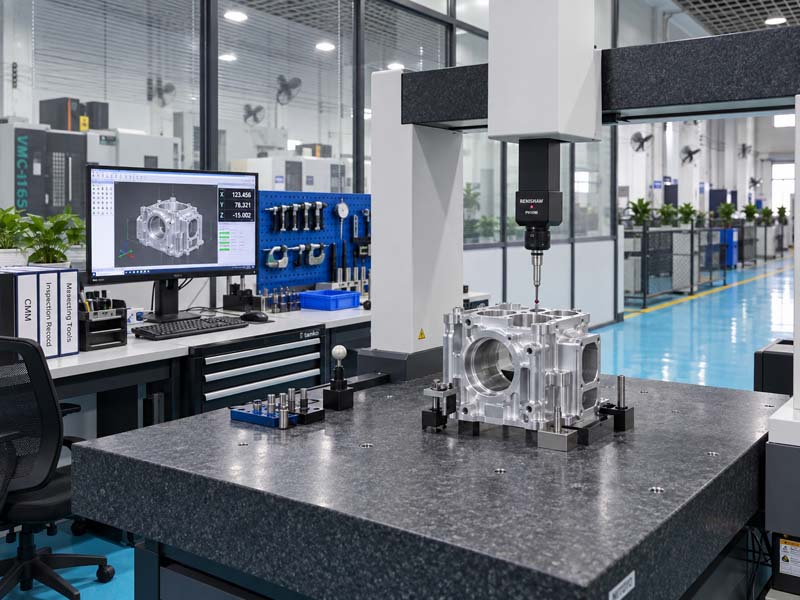
At Hongke CNC, we integrate probing during machining for in-process inspection, reducing setup errors and ensuring first-article accuracy.
Common Challenges and Solutions
Burr Formation
Soft aluminum tends to form burrs, especially on exit edges. Use sharp tools, climb milling, and deburr tools. For high-volume parts, consider robotic deburring.
Chip Evacuation
Aluminum produces long, stringy chips that can wrap around tools. Use high-pressure coolant through the spindle or air blast to break chips. Chip breakers on inserts also help.
Heat and Distortion
Thin sections can heat up and expand during machining. Use moderate depths of cut and flood coolant. Rough and finish passes with a cool-down period reduce distortion.
Conclusion: Partnering with an Experienced CNC Shop
Machining aluminum requires a balance of material knowledge, smart design, proper tooling, and rigorous quality control. By following the best practices outlined here, you can achieve high-quality parts efficiently. At Hongke CNC, we specialize in precision CNC machining of aluminum and other materials, offering comprehensive services from DFM feedback to final inspection. Contact us for your next project to benefit from our expertise and advanced manufacturing capabilities.