Introduction to CNC Machining
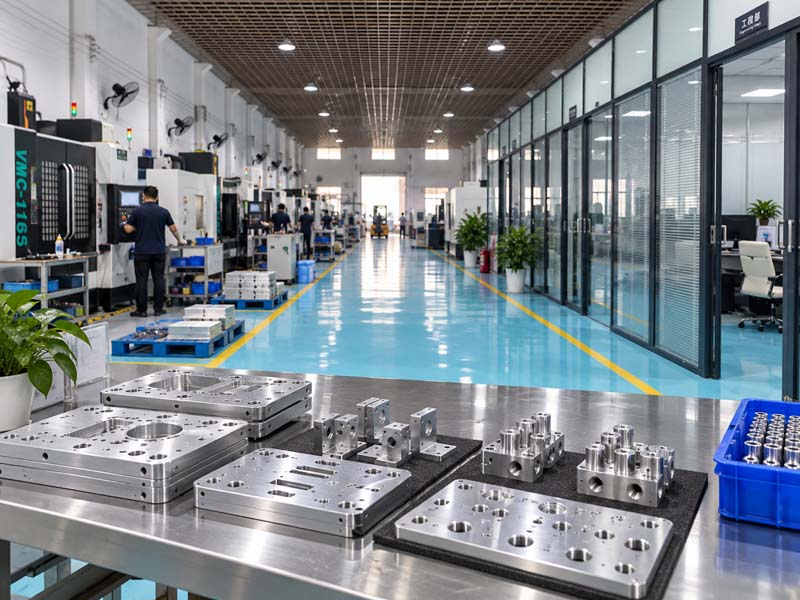
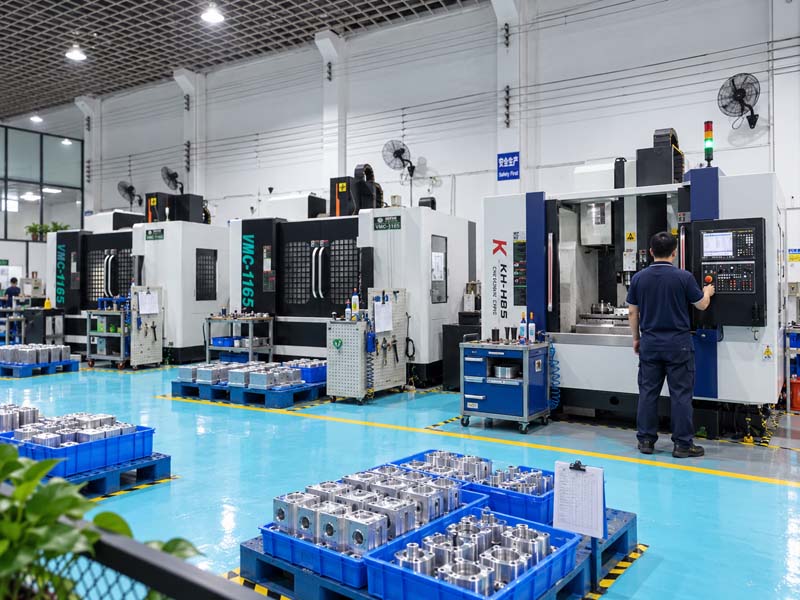
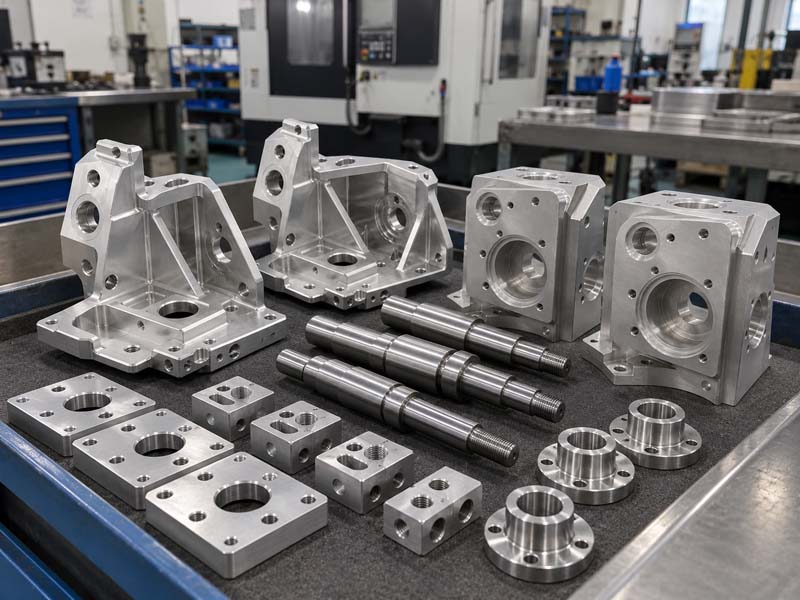
Computer Numerical Control (CNC) machining is a subtractive manufacturing process that uses pre-programmed software to control the movement of cutting tools and machinery. It enables the production of complex, high-precision parts from a wide range of materials, making it a cornerstone of modern manufacturing. This guide covers the essential aspects of CNC machining for precision parts, including design considerations, material selection, machining strategies, and quality assurance. Whether you are an engineer, product designer, or procurement specialist, understanding these fundamentals will help you make informed decisions and achieve optimal results.
Key Design Considerations for CNC Machined Parts
Designing for CNC machining requires careful attention to geometry, tool access, and tolerances. The following principles can help you create parts that are both functional and cost-effective.
1. Avoid Sharp Internal Corners
Sharp internal corners cannot be achieved with standard round cutting tools. Instead, design internal corners with a radius that matches the tool diameter. A general rule is to use a corner radius of at least 1/3 of the cavity depth. This reduces tool wear and prevents stress concentration.
2. Minimize Deep Pockets
Deep pockets require long tools that are prone to deflection and vibration, leading to poor surface finish and tolerance issues. Keep pocket depth-to-width ratios below 4:1 when possible. If deep pockets are unavoidable, consider using specialized tooling or roughing strategies.
3. Add Draft Angles for Vertical Walls
While CNC machines can produce perfectly vertical walls, adding a slight draft angle (1-2 degrees) can improve tool life and surface finish, especially for molds and dies. Draft angles also facilitate easier part removal from fixtures.
Material Selection for Precision CNC Machining
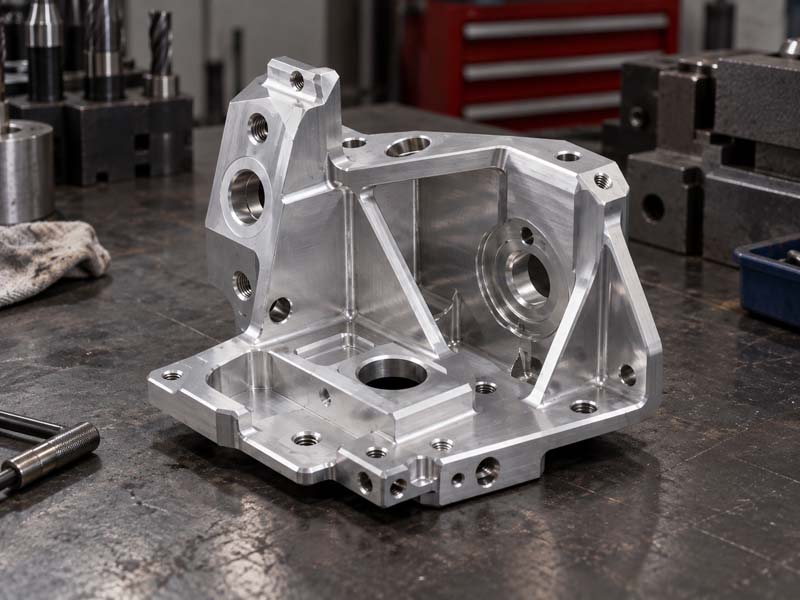
The choice of material directly impacts machinability, part strength, weight, and cost. Below are common materials used in precision CNC machining:
Aluminum Alloys (e.g., 6061, 7075)
Aluminum is lightweight, corrosion-resistant, and highly machinable. 6061 is a general-purpose alloy with good weldability, while 7075 offers higher strength for aerospace and automotive applications. It produces excellent surface finishes and is ideal for intricate parts.
Stainless Steel (e.g., 304, 316)
Stainless steel provides superior strength, hardness, and corrosion resistance. It is more difficult to machine than aluminum, requiring slower speeds and specialized tooling. 304 is common for general applications; 316 offers improved resistance to chlorides.
Brass and Copper
Brass is easy to machine, has excellent thermal conductivity, and produces a bright surface finish. It is often used for fittings, valves, and decorative parts. Copper is softer but still machinable, used for electrical components.
Engineering Plastics (e.g., Delrin, Nylon, PEEK)
Plastics are lightweight, chemically resistant, and can reduce weight. Delrin is rigid and low-friction; Nylon is tough and wear-resistant; PEEK withstands high temperatures. However, plastics require sharp tools and careful chip management to avoid melting.
CNC Machining Processes and Strategies
Understanding the different machining operations helps you plan the most efficient production route.
3-Axis vs. 5-Axis Machining
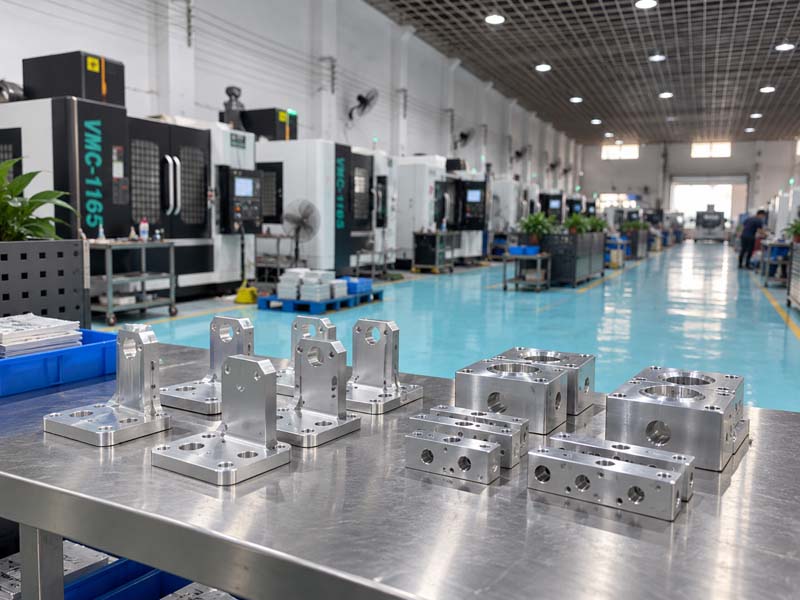
3-axis machining (X, Y, Z) is suitable for most prismatic parts with features accessible from one direction. 5-axis machining adds two rotational axes, allowing the tool to reach complex geometries in a single setup. This reduces lead times and improves accuracy, especially for aerospace impellers and medical implants.
Roughing and Finishing
Roughing removes the bulk of material quickly, leaving a small allowance for finishing. Finishing uses smaller stepovers and lighter cuts to achieve final dimensions and surface quality. Many CAM programs generate optimized toolpaths to balance speed and finish.
Thread Milling vs. Tapping
Thread milling uses a rotating cutter to create threads, offering flexibility for different diameters and pitches with one tool. Tapping is faster but requires specific tools for each thread size. For blind holes in hard materials, thread milling is preferable to avoid tap breakage.
Tolerances and Surface Finishes
Precision CNC machining can achieve tight tolerances, typically between ±0.005 mm to ±0.025 mm for linear dimensions, and down to ±0.002 mm for locations. However, tighter tolerances increase cost and lead time. Always specify tolerances only where functionally necessary.
Surface Finish Standards
Common surface roughness values (Ra) range from 0.4 µm (fine grinding) to 3.2 µm (standard milling). For cosmetic or sealing purposes, specify a lower Ra. As-machined surfaces often have visible tool marks; bead blasting or anodizing can improve appearance.
Quality Assurance and Inspection
Rigorous inspection ensures that parts meet specifications. Common methods include:
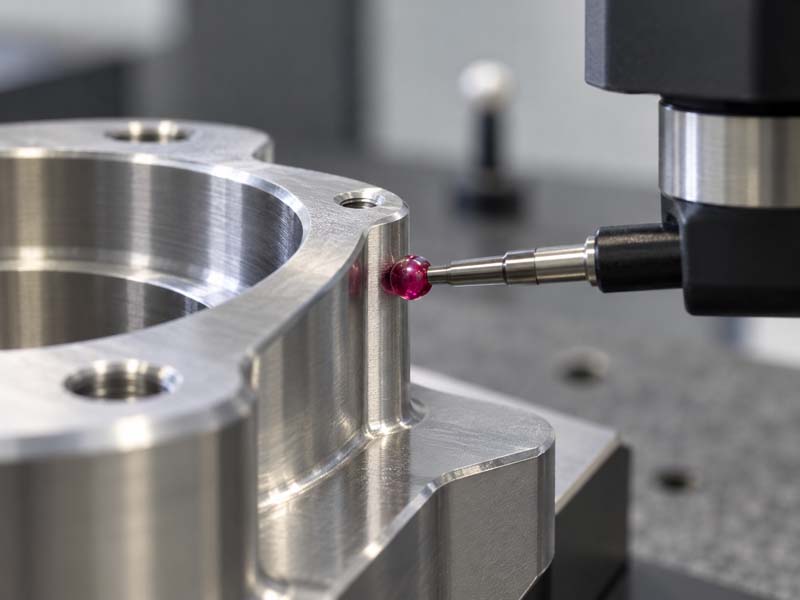
- CMM (Coordinate Measuring Machine): Provides high-accuracy dimensional checks using a probe.
- Visual and Surface Roughness Measurement: Verifies finish and detects defects.
- Functional Gauges: Quick pass/fail checks for threads, holes, and slots.
- In-Process Probing: On-machine measurement reduces setup errors and scrap.
Cost-Saving Tips for CNC Machining
- Design for manufacturability: Avoid unnecessary features like deep narrow slots or tiny radii.
- Standardize hole sizes and threads: Reduces tool changes.
- Batch multiple parts: Use nesting or pallet systems to maximize machine uptime.
- Choose the right material: Over-specifying exotic alloys increases difficulty and cost.
Why Choose Hongke CNC for Your Precision Parts
Hongke CNC is a trusted partner for precision CNC machining, offering state-of-the-art 3-axis and 5-axis machines, advanced CMM inspection, and a team of experienced engineers. From prototypes to high-volume production, Hongke delivers quality parts with tight tolerances and competitive lead times. Visit www.hongke-cnc.com to learn more about their capabilities and request a quote.
Conclusion
CNC machining remains one of the most versatile and reliable methods for producing precision parts. By understanding design guidelines, material properties, and process capabilities, you can optimize your projects for cost, speed, and quality. Partnering with an experienced manufacturer like Hongke CNC ensures your components meet the highest standards.