Quick Answer
Use 6061-T6 when corrosion resistance, welding and economical general machining lead the decision. Select 7075-T6 when the higher strength justifies the tradeoffs in corrosion resistance, joining and material cost.
Key Takeaways
- Compare the design load and safety factor before choosing by material reputation.
- Check corrosion exposure and finishing requirements alongside strength.
- Call out the exact temper because it changes the material properties being compared.
- Confirm stock form and availability before comparing the total machining and finishing cost.
A bracket that bends too much and a bracket that lacks strength need different design changes. A higher-strength alloy may help the second problem without solving the first. Check the load, available section and service environment before comparing supplier data for the exact stock form and temper.
Compare the actual stock and temper
An alloy name without its condition is an incomplete purchasing specification. Mechanical properties vary with temper and product form; dimensions and processing history also affect the applicable supplier data. Identify whether the material will be plate, bar or another form, and compare documented values for the exact condition you intend to order.
If strength, fatigue or fracture behavior controls the design, use data for the exact material you intend to buy. Check the temper and stock form against the manufacturer's documents. A general handbook value is not enough to approve a substitution.
| Decision | 6061 | 7075 |
|---|---|---|
| Starting use case | Evaluate for general housings, plates and brackets | Evaluate when additional strength is required within a constrained section |
| Strength specification | Use data for the ordered temper and product form | Use data for the ordered temper and product form |
| Deflection problem | Review section geometry and stiffness | Higher strength alone does not establish lower deflection |
| Environment | Check exposure and protective treatment | Check exposure, temper and protective treatment before substitution |
| Machining | Review tool access, stock removal and final tolerances | Review the same features; do not choose by alloy name alone |
| Cosmetic treatment | Agree on finish zones and appearance criteria | Do not assume a color match with 6061 |
| Cost decision | Confirm stock, waste and complete route | Justify the material choice against a functional requirement |
When 6061 is enough
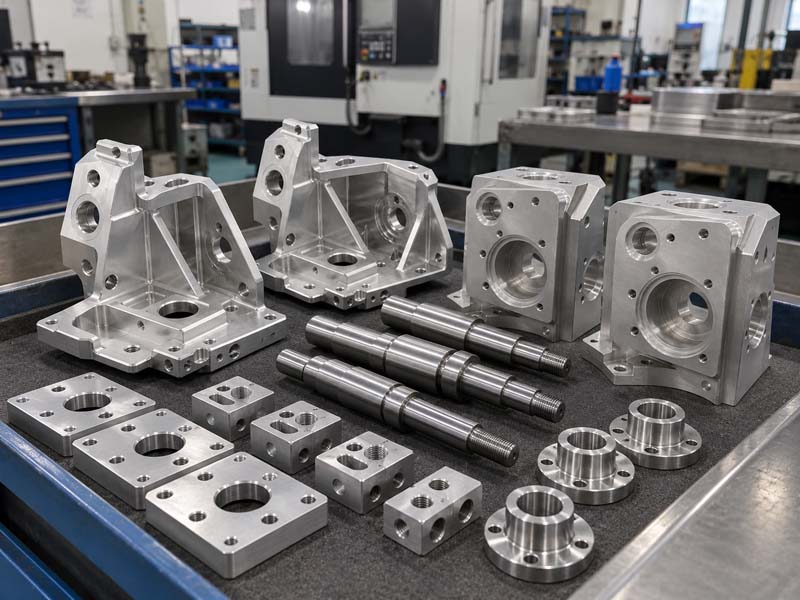
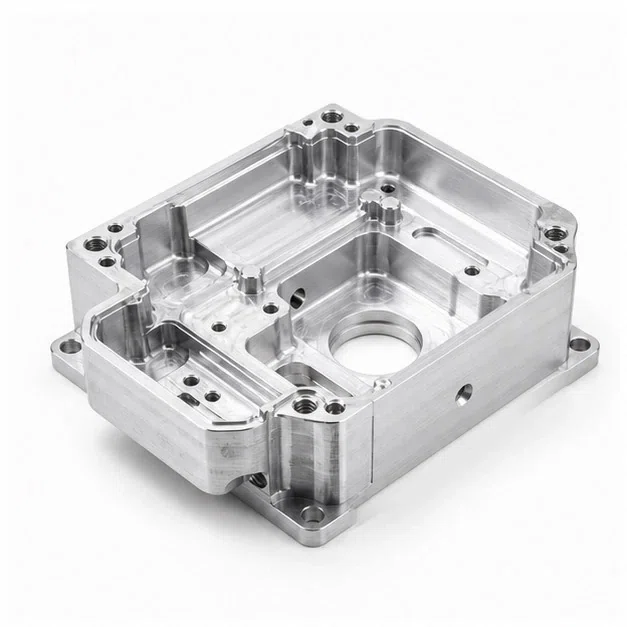
For a housing, mounting plate or general bracket, first check whether the existing section provides sufficient strength and stiffness in the intended environment. A higher-strength alloy does not necessarily solve a stiffness or deflection problem. Geometry may be the more useful design variable.
6061 is often considered for general machined components because it offers a practical balance of properties and finishing options. Its economic advantage must still be checked against local stock availability, waste, tolerances and finish requirements. Compare quotations for the same shape and acceptance scope rather than assuming a fixed percentage saving.
When 7075 deserves a closer look
7075 can be worth evaluating when a highly loaded component cannot gain section thickness or mass. The reason should be traceable to a calculated requirement. That decision brings other questions: the selected temper, exposure, contact with dissimilar metals and any limitations of subsequent processing.
Corrosion performance cannot be reduced to strength ranking. Review the environment, crevices, protective treatment and maintenance conditions. Consult the exact material manufacturer's data before approving a substitution. Neither this comparison nor a part photograph confirms a particular corrosion life.
Machining and appearance must be priced together
| Selection question | Why it changes the decision |
|---|---|
| Exact temper and stock form | Determines which property data and availability apply |
| Critical geometry | Thin sections and stock removal affect dimensional stability |
| Finish and color | Cosmetic outcomes depend on alloy, preparation and treatment |
| Assembly environment | Corrosion and dissimilar-metal contact need review |
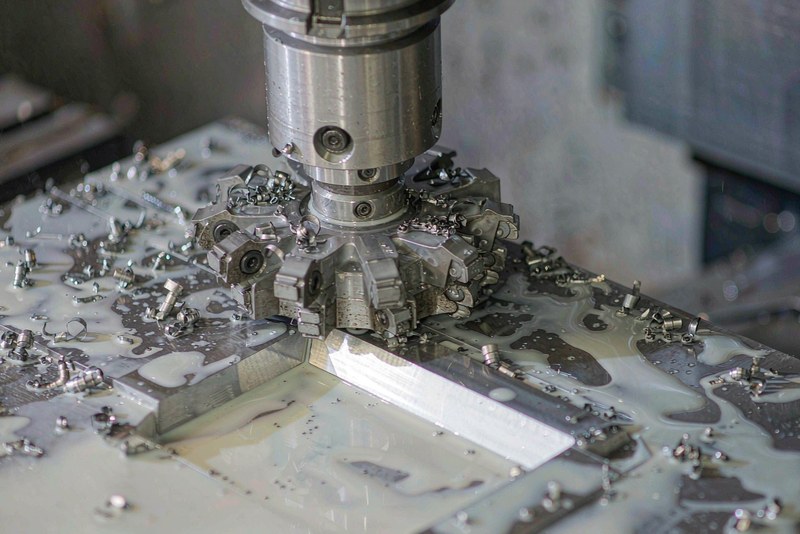
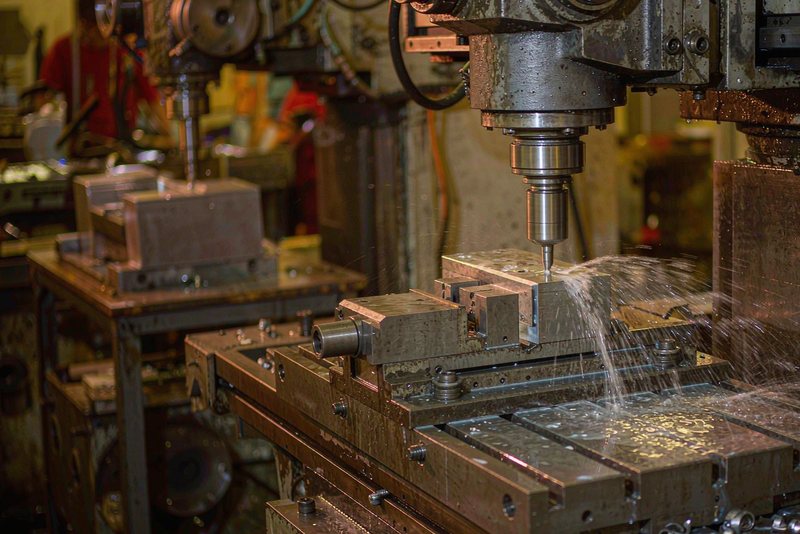
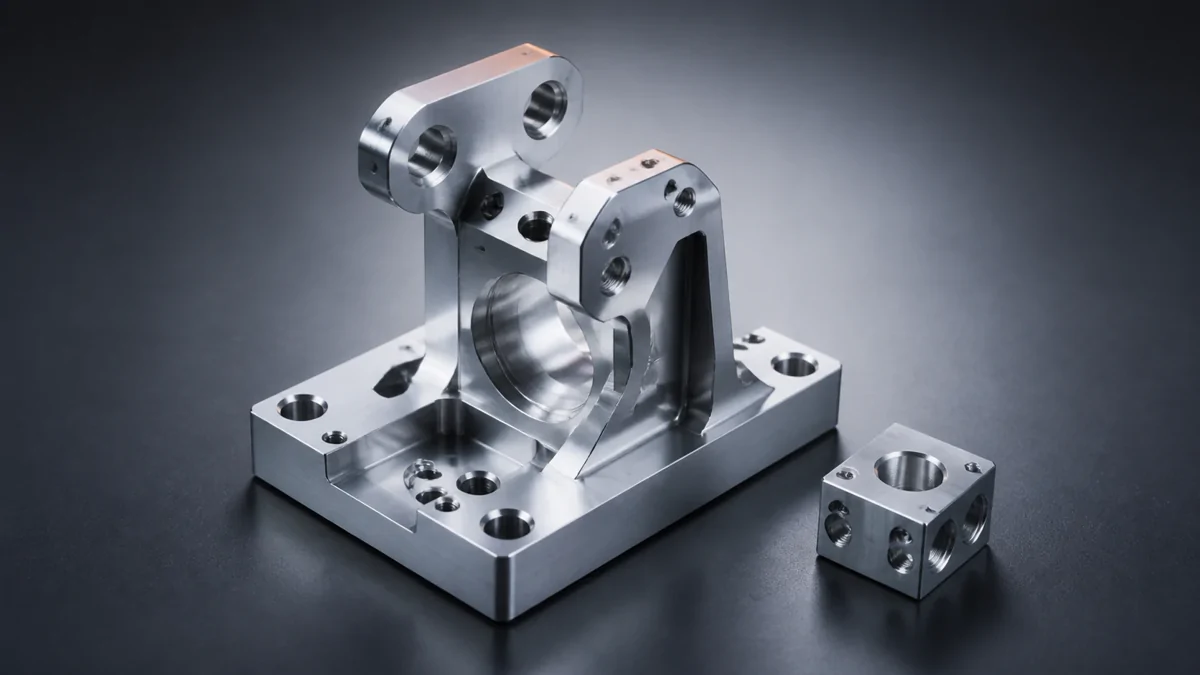
Both alloys can be considered in CNC machining, but actual cost depends on the complete route. A short machining cycle is not a complete cost model if the specified stock is expensive or the appearance requirement increases rejection and handling. For anodizing, agree on the treatment, functional dimensions, masked areas and any visual sample. Do not assume identical color across alloys or batches.
What This Means for Your Part
Start with the performance requirement and ask whether the design needs more strength, more stiffness, corrosion resistance or a particular finish. These are different questions. Provide the selected grade, temper, stock form and relevant exposure to the supplier, with alternatives explicitly subject to approval.
Review the materials directory, discuss accessible geometry with CNC milling support, and identify acceptance-critical features through quality planning. Your RFQ should state the final treatment and whether dimensions apply before or after it. Confirm the final grade and condition before material is purchased.
- List the load case, safety factor and any stiffness limit for the component.
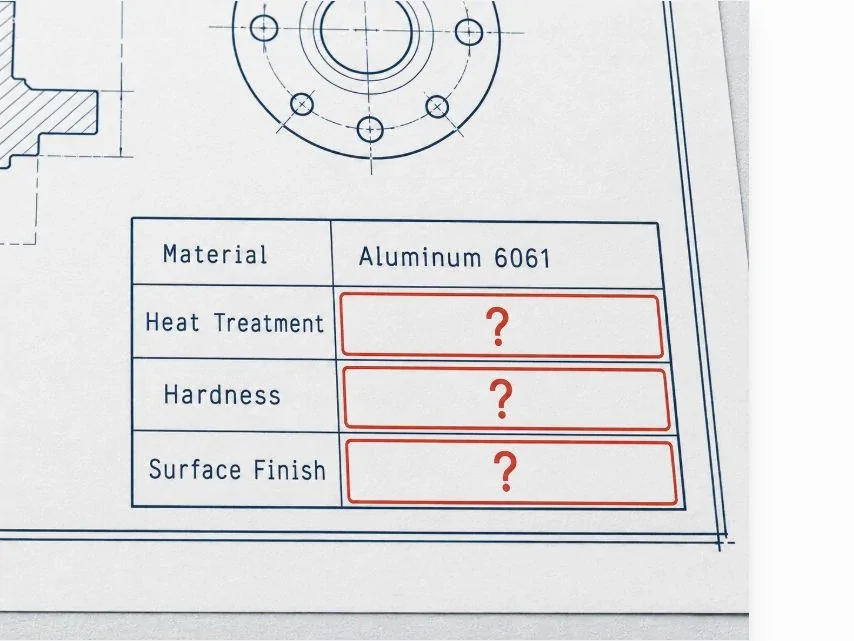
- Specify alloy and temper on the drawing rather than only saying aluminum.
- Confirm the planned finish protects the part in its actual service environment.
References & Further Reading
Source context supports the engineering discussion. Exact product specifications and applicable standards must be confirmed for the part.