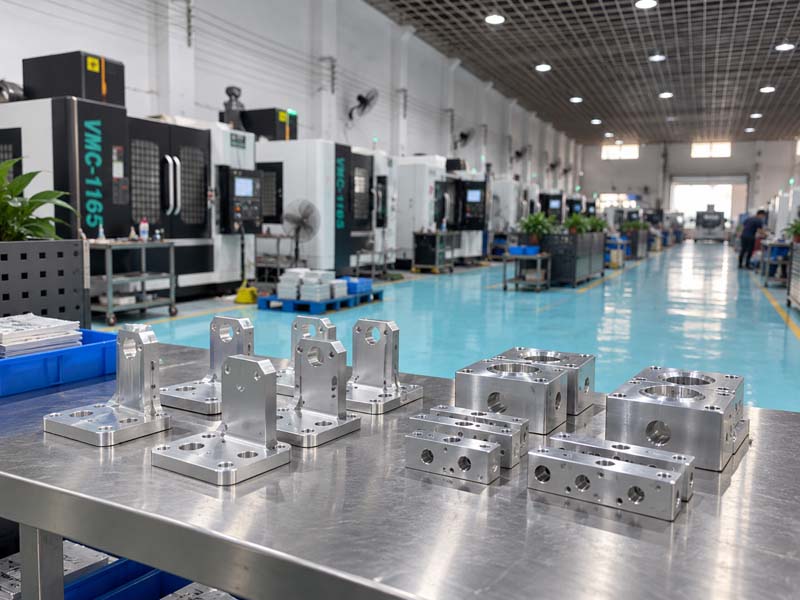
Why the CNC Technician Matters More Than the Machine
In precision machining, the CNC machine itself is only part of the equation. A skilled CNC technician can make a standard 3-axis machine produce parts within tight tolerances, while an inexperienced operator can cause scrap even on a brand-new 5-axis center. When evaluating a CNC machining supplier, the knowledge and experience of the technicians directly affect part quality, lead time, and cost.
This guide covers the core skills and responsibilities of a CNC technician in a precision parts manufacturing environment. Whether you are an engineer validating a supplier or a procurement professional evaluating capability, understanding what a technician should know helps you make better decisions.
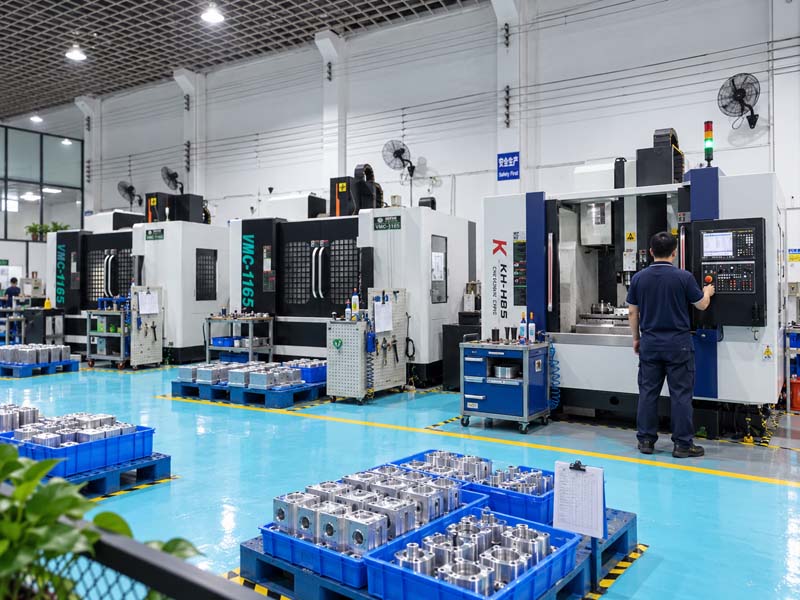
Essential Technical Knowledge of a CNC Technician
Blueprint Reading and GD&T
Every technician must read engineering drawings accurately. This includes understanding standard views, section cuts, dimensioning conventions, and geometric dimensioning and tolerancing (GD&T). Without this skill, a technician cannot determine which features are critical, which tolerances require special attention, and how to set up the part to meet datum requirements.
A technician familiar with GD&T will know that a true position callout on a hole pattern may require a different setup than a simple ±tolerance. They will also recognize when a datum reference frame implies a specific fixturing strategy. This knowledge reduces misinterpretation and rework.
Material Properties and Machinability
Different materials behave differently under cutting tools. A good technician understands the machinability of common alloys like 6061 aluminum, 304 stainless steel, 4140 steel, brass, and engineering plastics. They know that aluminum allows high cutting speeds but may require sharp tools to avoid built-up edge; that stainless steel work-hardens quickly and needs rigid setups; that thin-wall titanium parts demand low cutting forces and careful heat management.
This material awareness directly affects tool selection, cutting parameters, and risk of deformation. When a technician correctly adjusts feeds and speeds based on material condition, surface finish and dimensional stability improve.
Workholding and Fixturing
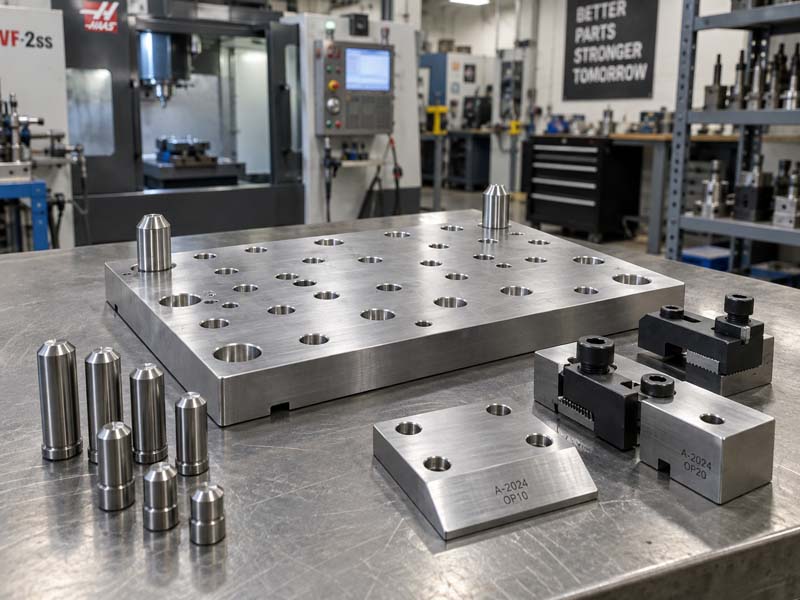
Workholding is often the difference between a first-pass good part and a time-consuming rework. A skilled CNC technician evaluates the part geometry, tolerance requirements, and available machine table to design or select appropriate fixtures. They understand when a vise works, when a custom soft jaw is needed, when vacuum fixturing is suitable for thin parts, and when a tombstone or sub-plate with locating pins is required for repeatability.
They also check that the fixture does not interfere with tool paths, that clamping forces do not distort the part, and that multiple setups are minimized through creative fixturing. This reduces total machining time and tolerance stack.
CNC Programming and Setup Skills
Manual Programming vs CAM
While many shops rely on CAM software for program generation, a strong technician should be able to write and edit G-code manually when needed. This capability is critical for quick adjustments at the machine—modifying a feed rate, adding a dwell, changing a tool offset, or debugging a collision risk. A technician who understands the code can troubleshoot faster than one who only pushes cycle start.
At the same time, familiarity with CAM software (e.g., Mastercam, Fusion 360, NX) is a plus. Technicians who can review CAM toolpaths before loading them onto the machine can spot potential issues such as climb vs conventional milling conflicts, excessive stepovers, or unsafe rapid moves.
Offset Management and Probing
Precision machining demands accurate tool length offsets, cutter compensation, and work coordinate offsets. A technician must know how to set these offsets correctly, how to use a tool presetter or touch-off, and how to verify offsets with a test cut. For machines equipped with probing, the technician should be able to write or run probing cycles for part location, in-process inspection, and tool breakage detection.
Probing allows the machine to compensate for fixture variation and thermal growth. A technician skilled in probing can reduce setup time and improve first-article accuracy.
Tool Selection and Cutting Parameters
Choosing the right tool for the job is a core competency. The technician considers material, feature type (slot, pocket, contour, thread), surface finish requirement, and tool rigidity. They know when to use a carbide end mill vs high-speed steel, when to apply coated tools (TiAlN, AlTiN, etc.), and when a specialized tool like a thread mill or a high-feed mill is appropriate.
They also set cutting speeds, feed rates, and depth of cut based on the specific tool and material combination, not generic charts. This optimization directly impacts cycle time, tool life, and part quality.
Inspection and Quality Assurance
First-Article Inspection
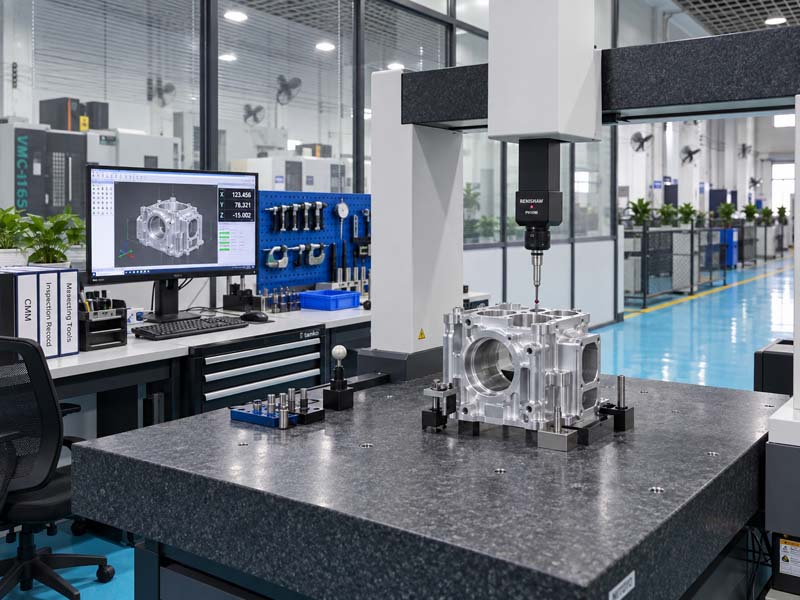
After setup and program verification, the technician typically produces the first part and performs a dimensional check. This includes using calipers, micrometers, height gauges, pin gauges, thread gauges, and sometimes a CMM. They compare measured values against the drawing and identify any deviations. If a dimension is out of tolerance, the technician must diagnose the root cause: tool wear, thermal expansion, fixture shift, or program error.
Documentation of first-article results is often required for customer approval. A technician who can complete this inspection accurately and efficiently saves days of back-and-forth.
In-Process Inspection and Process Control
During production runs, a technician should periodically check critical dimensions to ensure the process remains stable. They watch for trends (e.g., hole diameters drifting smaller) and adjust offsets before parts go out of tolerance. This proactive approach reduces scrap and rework.
For tight-tolerance features, the technician may rely on statistical process control (SPC) or machine monitoring systems. Understanding these tools helps maintain consistent output over long runs.
Problem-Solving and Troubleshooting
Common Machining Issues
A seasoned technician encounters problems daily: chatter marks, burrs, tool breakage, poor surface finish, part movement, dimensional variation. They systematically isolate the cause. For chatter, they may adjust spindle speed, reduce radial engagement, or improve workholding rigidity. For burrs on aluminum, they might change tool geometry or add a deburring operation. For tool breakage, they review chip evacuation and stepover strategy.
The ability to solve these problems on the fly without waiting for engineering support is a mark of an experienced technician.
Deformation and Thin-Wall Parts
Thin-wall parts are particularly challenging. A technician must understand how cutting forces and clamping stresses cause deflection. Techniques such as roughing with stock allowance, using multiple finishing passes, employing specialized fixture supports (e.g., pot chucks, expanding mandrels), and adjusting cutting direction can minimize distortion. A technician with deep experience in thin-wall precision machining adds significant value to complex aerospace or medical components.
Communication and Documentation
Technicians do not work in isolation. They must communicate with engineers, programmers, quality inspectors, and production managers. They write setup sheets, note any deviations, suggest design changes for better manufacturability, and report machine anomalies. Clear written and verbal communication in English (for global clients) is increasingly important in an export-oriented shop.
Documentation of processes—tool lists, fixturing photos, cut parameters, inspection results—creates institutional knowledge that improves repeatability for future orders.
How to Evaluate CNC Technician Capability as a Buyer
If you are sourcing custom machined parts, ask the supplier about their technician team:
- What is the average experience level of technicians? (3-5 years is typical for complex work)
- Are technicians trained on GD&T and blueprint reading?
- Do they perform in-process inspection themselves?
- Do they handle setup, programming adjustments, and quality checks independently?
- How do they approach thin-wall or tight-tolerance parts?
- Can they communicate technical details in English if needed?
A supplier that invests in technician training and retains experienced staff is more likely to deliver consistent quality, shorter lead times, and fewer surprises. At Hongke Precision CNC Machining, our team of skilled CNC technicians brings decades of combined experience in precision parts across diverse industries, ensuring every order meets your engineering requirements.
Final Thoughts
The CNC technician is the bridge between a CAD model and a finished part. Technical depth, practical problem-solving, and quality awareness define a great technician. When you select a CNC machining manufacturer, the people behind the machines matter as much as the equipment. Look for a team that demonstrates the skills outlined in this guide—and you will receive precision parts that function as designed, on time and within budget.