
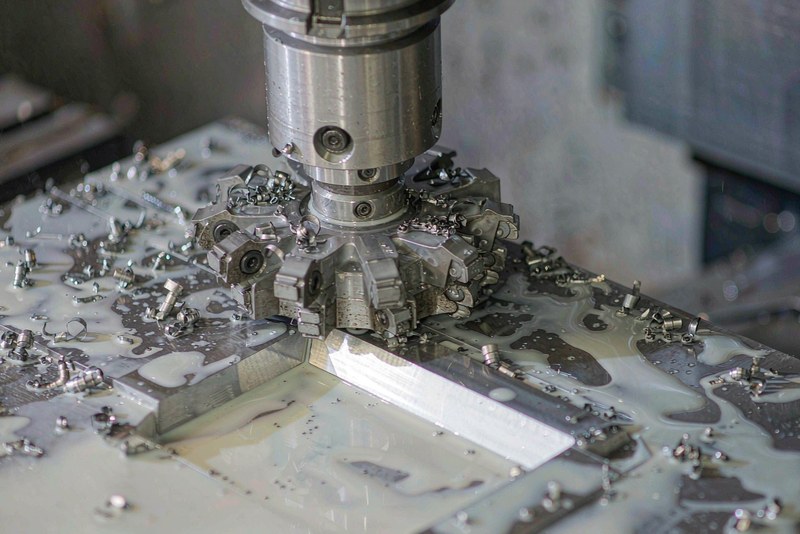
6061 vs 6082 Aluminum for CNC Machining: Which Grade Fits
6061 vs 6082 aluminum compared for CNC machining: composition, temper, distortion, anodizing response and how to approve a substitution on a real drawing.
Read guidePractical engineering guidance for CNC machining decisions.
6061 vs 6082 aluminum compared for CNC machining: composition, temper, distortion, anodizing response and how to approve a substitution on a real drawing.
Read guide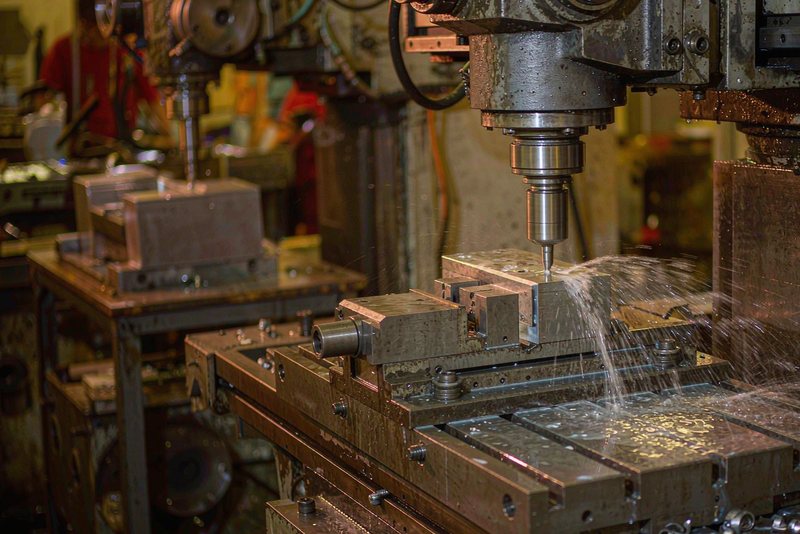
17-4 PH stainless steel machines very differently by condition. How condition A, H900 and H1150 change cutting behavior, aging shrinkage, cost and inspection.
Read guide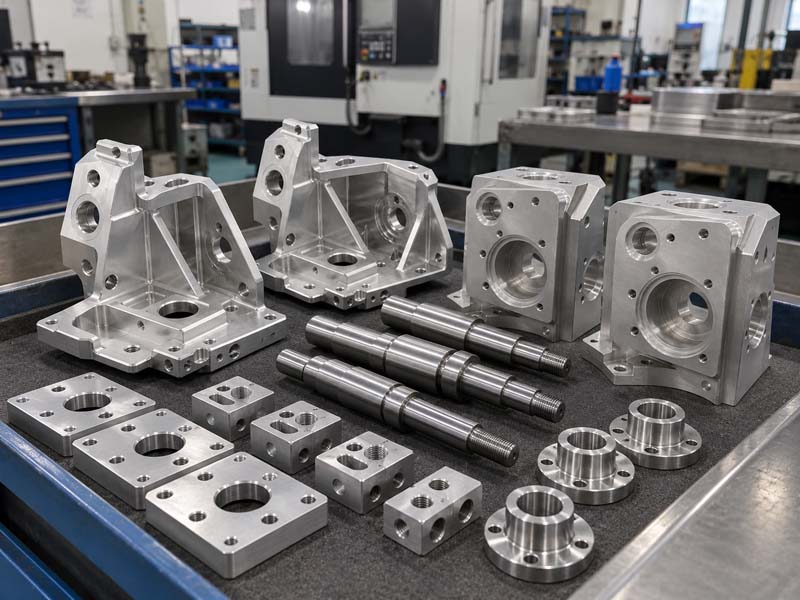
Choosing the right material for CNC machining is critical to part performance, cost, and manufacturability. This guide covers common metals like aluminum, steel, stainless steel, brass, and titanium, comparing their machinability, strength, corrosion resistance, and typical applications to help you make informed decisions for your precision parts projects.
Read guide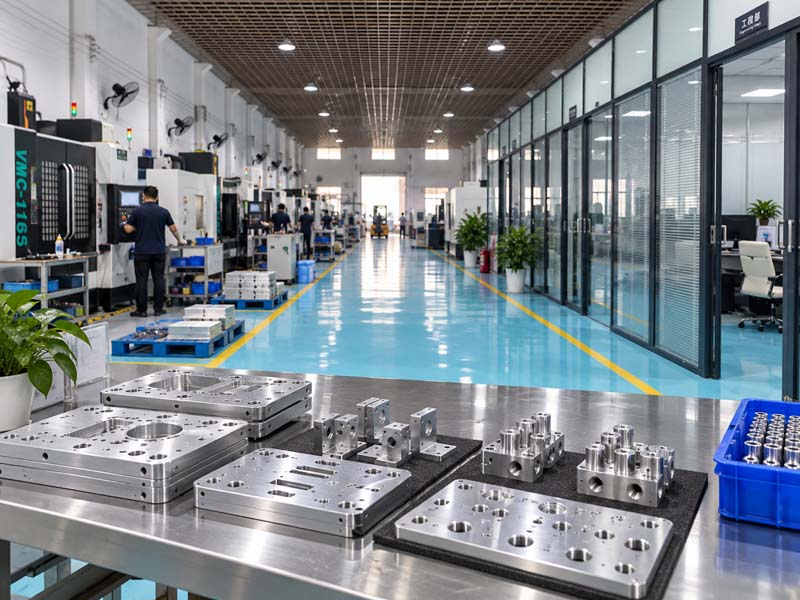
This guide explores the most common materials used in CNC machining, including aluminum, stainless steel, brass, and engineering plastics. Learn their properties, machining characteristics, applications, and how to select the ideal material for your project to balance performance, cost, and manufacturability.
Read guide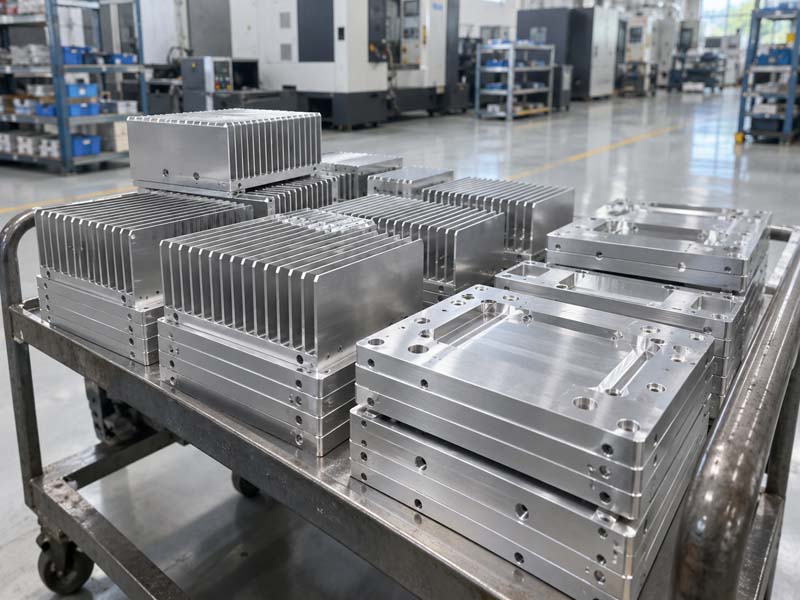
Learn everything about CNC machining aluminum, from material selection and design tips to critical tolerances and surface finishes. Hongke CNC delivers precision aluminum parts with expert guidance for engineers and product designers.
Read guide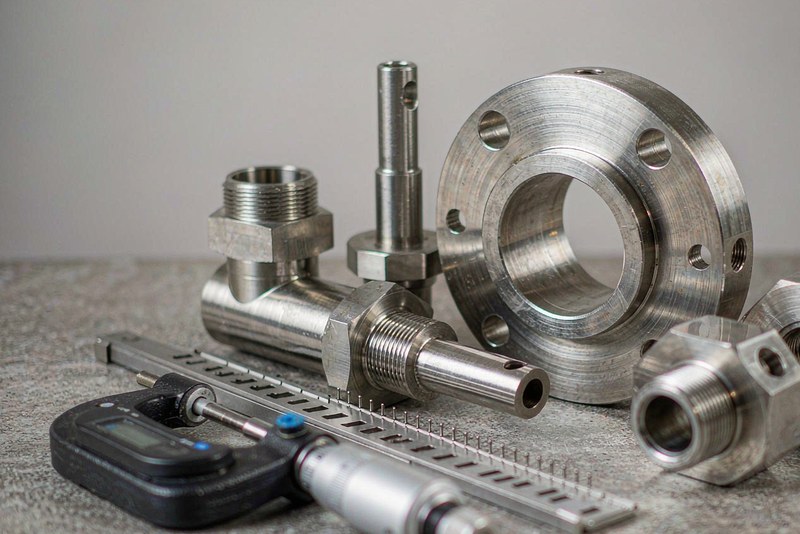
How 304 and 316 stainless steel differ in machinability, corrosion resistance and cost, and how to choose the right grade for CNC machined parts.
Read guideShare your drawing, material and quantity for an engineering review and quotation.