
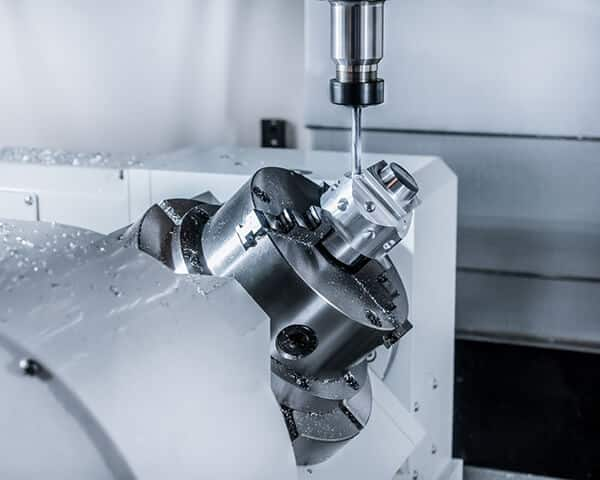
CNC Machining of Stainless Steel Pipe Fittings: Key Considerations for Precision and Quality
Stainless steel pipe fittings are essential components in fluid handling, pneumatic systems, food processing, pharmaceutical equipment, and many industrial applications. When these fittings require custom dimensions, tight tolerances, or complex thread forms, CNC machining becomes the preferred manufacturing method. However, stainless steel presents unique machining challenges that can affect cost, lead time, and final part quality if not properly addressed.
Whether you are designing a new fitting or sourcing existing ones, understanding how material properties, tool selection, and machining strategies influence the outcome will help you make better decisions throughout the procurement process.
Why Stainless Steel Is Widely Used for Pipe Fittings
Stainless steel is chosen for pipe fittings primarily because of its corrosion resistance, strength, and hygiene properties. Common grades include 304 and 316 (and their low-carbon variants 304L and 316L). The choice of grade affects machinability significantly. For example, 304 stainless steel is more prone to work hardening than 303, which is a free-machining grade. For CNC machining of pipe fittings, grade 303 or 316L is often preferred when the application allows, as they reduce tool wear and improve surface finish.
Other relevant properties for machining include:
- Low thermal conductivity – heat concentrates at the cutting edge, accelerating tool wear.
- High ductility – chips can become long and stringy, causing chip packing and poor surface finish.
- Tendency to work harden – improper cutting conditions can harden the surface, making subsequent passes difficult.
Common Machining Challenges for Stainless Steel Pipe Fittings
Work Hardening
During machining, if the cutting edge rubs rather than shears, the surface layer of stainless steel can work harden. This hardened layer is difficult to machine and can cause tool edge chipping. Maintaining a constant chip load (never letting the tool dwell) and using sharp, positive-rake cutting tools helps minimize work hardening.
Heat Generation
Because stainless steel conducts heat poorly, the cutting temperature rises quickly. High temperatures soften the cutting edge and can lead to built-up edge (BUE) formation. Using appropriate coolant (flood or high-pressure) and heat-resistant carbide grades (e.g., coated with TiAlN or AlTiN) is critical to prolong tool life.
Chip Control
Long, stringy chips can wrap around the workpiece or tool, causing scratches and increasing cycle time. Chip breakers on inserts and optimized feed rates help produce manageable chips. In CNC turning of pipe fittings, using a CNC turning process with appropriate chip-control geometry is recommended.
Threading and Tapping
Pipe fittings frequently require tapered threads (NPT, BSPT) or parallel threads. Threading in stainless steel demands rigid setup, proper tool alignment, and careful selection of thread inserts or taps. For small-diameter threads, thread milling on a CNC milling machine can provide better chip evacuation and less tool stress than tapping.
How to Achieve Precision in Stainless Steel Pipe Fitting Machining
Precision in pipe fitting machining involves controlling diameter tolerance, roundness, concentricity, and thread pitch. Typical tolerances for standard pipe fittings are around ±0.1 mm, but custom parts may require ±0.05 mm or tighter. Achieving such tolerances consistently requires:
- Stable workholding – Soft jaws or custom fixtures that grip without distorting thin-walled tubing.
- Multiple setups – For complex geometries like elbows or tees, 5-axis CNC machining can reduce setups and improve concentricity.
- In-process inspection – Using air gauges or CMM to verify internal diameters and thread forms.
- Tool condition monitoring – Replacing tools at the first sign of wear prevents dimensional drift.
Drawing review is also crucial. A complete 2D drawing specifying thread standards, surface roughness (typically Ra 1.6–3.2 μm for sealing surfaces), and allowable burrs ensures the machinist understands the functional requirements. Our drawing review service helps identify potential issues before production.
Surface Finishing and Inspection
After machining, stainless steel pipe fittings may require additional surface treatments:
- Passivation – Removes free iron and restores the passive chromium oxide layer, enhancing corrosion resistance.
- Electropolishing – Improves surface smoothness and removes micro-burrs, ideal for food and pharmaceutical applications.
- Bead blasting or mechanical polishing – For cosmetic appearance or to achieve a specific roughness.
Inspection methods include thread gauge checks, pressure testing, and dimensional verification with CMM or optical comparators. For critical sealing applications, leak testing may be required. A reputable CNC machining supplier will have the capability to perform these inspections and provide inspection reports.
Choosing a Reliable CNC Machining Partner for Stainless Steel Pipe Fittings
When outsourcing stainless steel pipe fitting machining, consider the following:
- Experience with stainless steel – Ask about their typical grades machined and how they handle work hardening.
- Machine capability – Do they have CNC milling with high-pressure coolant? Can they produce multi-axis parts?
- Quality management – Do they follow ISO 9001 or similar? Can they provide material certifications?
- Communication – Will they review your drawing and suggest DFM improvements to reduce cost?
- Lead time and batch flexibility – For prototype or low-volume production, a supplier with prototype machining experience can be valuable.
By providing a clear 3D CAD model and a well-dimensioned 2D drawing, you enable the machining partner to quote accurately and produce parts that meet your specifications the first time. Our engineering team routinely helps customers optimize their designs for manufacturability, reducing costs while maintaining the required performance of stainless steel pipe fittings.
Stainless steel pipe fitting machining requires a combination of proper material selection, robust tooling, and experienced process planning. When these elements align, the result is a high-quality, reliable component ready for demanding service conditions.