
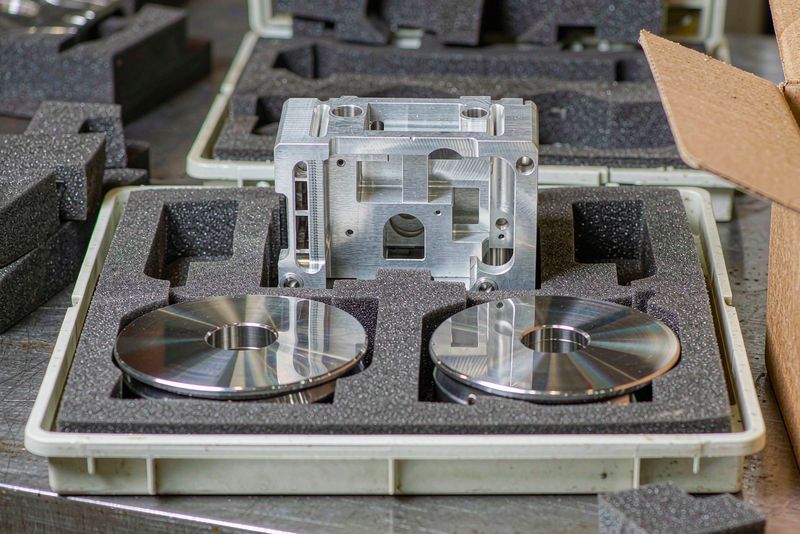
CNC machining payment terms are not a courtesy the supplier extends; they are part of the price. A shop is being asked to buy metal, cut it, and only then find out whether the parts will pass inspection, so the payment schedule is really a schedule of who carries that risk and for how long. Read that way, the number to watch is not the deposit percentage by itself but how much cash you have committed at each stage before you hold conforming parts.
What CNC Machining Payment Terms Are Actually Pricing
A shop prices uncertainty as well as work. Asked for open credit on a first order, it is financing material, machine time and outside processing from its own balance sheet, and that cost surfaces somewhere — often in the unit price rather than on the payment schedule. A supplier willing to offer generous terms to a new customer has usually priced the risk in elsewhere. Terms and piece price move against each other, which is why the criteria for comparing CNC machining suppliers have to be read together rather than one at a time.
There is a floor under how far terms can move: on low-volume work, material can be a large share of the cost, and a first-time customer gives the supplier no payment history to price against.
Common Payment Structures and What Each One Protects
Most orders settle into one of a few shapes. The names vary between shops; the mechanics do not.
| Structure | What it protects |
|---|---|
| Deposit plus balance on shipment | The supplier's material and machining outlay; the buyer keeps leverage until parts ship |
| Milestone payments on a programme | Long or high-value work, where neither side wants one large exposure |
| Payment against inspection documents | The buyer's need to see conformity demonstrated before the balance moves |
| Net terms after delivery | Repeat supply on an established account, where history replaces security |
Tooling sits alongside these structures. Fixtures made for one part number are often amortised across the first order rather than invoiced separately, which holds the unit price down but leaves ownership unclear if the part moves later. Stating all of this in the RFQ instead of leaving it to the quote is what makes two offers comparable.
Why Deposits Exist in Machining Specifically
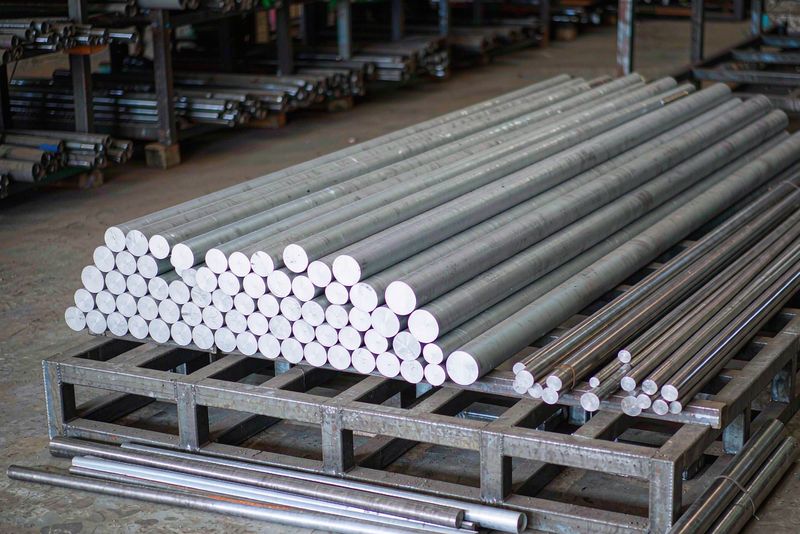
Deposits are common for reasons that are physical rather than commercial. Material is bought early and cut to length, and offcuts from a specific bar size have little resale value, so a cancelled order leaves the shop holding it. Machining time is worse: once a feature is cut, the metal is gone. Fixtures and programmes are tied to one part number and cannot be redeployed if the order stops.
Together, these make the early stage of an order the part with the least recoverable value, which is exactly where a supplier will want cash. That is a rational position, and it is more productive to negotiate what you get in return for funding it than to refuse it outright.
Tying Payment to Acceptance Rather Than Shipment
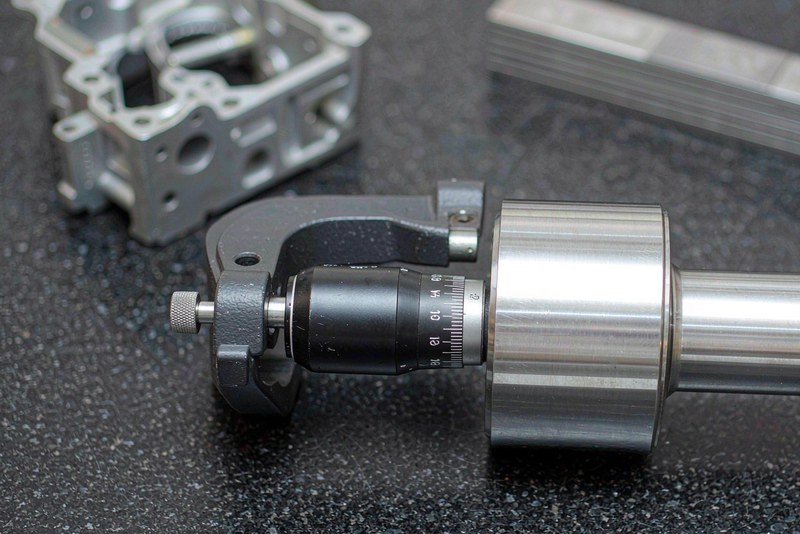
The useful question about a balance payment is not when it falls due but what has to be true when it does. Tying it to a ship date rewards the calendar; tying it to an agreed acceptance event rewards the part. The acceptance event belongs in the order, along with the evidence: a dimensional report for the agreed characteristics, material certification traceable to the heat, and — on a first order or a changed process — a first article inspection submission before the balance is released.
Payment against documents only works when the documents are defined and checkable. "Inspection report to be provided" invites a two-line certificate; a dimensional report for the characteristics marked on the drawing, plus material certification with a heat number, is something a buyer can accept or reject on the spot. Sampling plan, report format and who signs off are worth settling before the order starts.
What to Negotiate Beyond the Percentage
The deposit percentage draws the attention, but the trigger and the paperwork around it hold most of the value. Moving a balance from shipment to documented inspection approval can matter more than the headline deposit figure.
- Tools and fixtures: agree who owns them, whether they are amortised or bought out, and what happens if production moves.
- Currency: agree the invoicing currency and whether the rate is fixed at order or at payment.
- Change orders: require written pricing before extra work starts, so the final invoice cannot drift.
Two items are usually not worth fighting over. A first order that funds material is a reasonable request from a supplier with no history with you, and long credit on a one-off job is unlikely to be granted at a competitive price. Asking instead for visibility — a copy of the material purchase order, or staged releases from stock rather than one large batch — gets similar protection.
Red Flags and Low-Cost Controls
Full prepayment to a counterparty you have not bought from before is the clearest warning sign, especially when the amount is large relative to what a shop can be expected to finance. Payment to an account that does not match the contracting entity deserves scrutiny, and the difference between trading companies and factories is worth settling early, because it decides who receives the money and who carries the obligation if something goes wrong. A refusal to name an acceptance event in writing is a smaller but telling signal.
The controls that work are unglamorous. Split a first order into a small trial quantity and a follow-on release, pay the balance against documents, and keep one page of agreed terms attached to every purchase order. Most payment disputes in machining are not arguments about money in the abstract; they are arguments about a trigger nobody wrote down. Getting CNC machining payment terms onto that page is the cheapest protection available.