
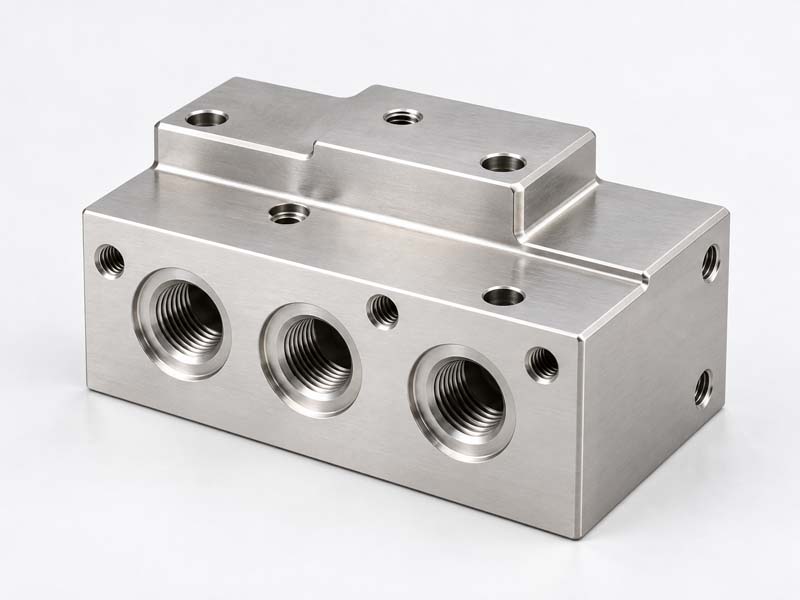
Why Evaluating a CNC Machining Supplier Matters
Choosing the right CNC machining supplier can directly impact the quality, cost, and lead time of your custom machined parts. Whether you are sourcing prototypes or production quantities, understanding a supplier's true capabilities helps avoid costly mistakes, rework, and delays. This guide outlines the key factors to consider when evaluating a precision CNC machining partner.
In the competitive world of precision manufacturing, not all CNC shops are equal. Some excel at high-volume production, while others specialize in complex multi-axis parts or tight-tolerance components. By asking the right questions and reviewing a supplier's technical strengths, you can match your project requirements with the right facility.
Core Machining Capabilities
CNC Milling and Turning
A reliable CNC machining services provider should offer both CNC milling and CNC turning. Milling handles prismatic shapes, slots, pockets, and complex 3D contours, while turning is ideal for cylindrical parts. Ensure the supplier has a range of machine sizes to accommodate your part dimensions. Ask about the number of axes (3-axis, 4-axis, 5-axis) and whether they can perform live tooling for mill-turn operations.
Multi-Axis Machining
For complex geometries, 5-axis CNC machining reduces setups and improves accuracy. A supplier with 4-axis and 5-axis capability can machine undercuts, compound angles, and freeform surfaces in a single clamping. This capability is critical for aerospace, medical, and high-precision industrial parts. Verify the maximum travel, spindle speed, and tool change capacity.
Auxiliary Processes
Precision often requires secondary operations such as grinding, EDM, wire cutting, or surface finishing. Some suppliers offer in-house grinding for tight tolerances or EDM for hardened materials. While these may be outsourced, having a coordinated network of qualified partners can streamline your supply chain.
Material Expertise
Different materials machine differently. An experienced CNC machining materials partner understands the machinability, heat treatment, and surface finish requirements for aluminum, stainless steel, titanium, brass, copper, and engineering plastics. Ask about their experience with your specific material grade and any challenges like work hardening or chip control. A supplier that can recommend the best material for your application adds value beyond mere processing.
Quality Assurance and Inspection
Consistent quality starts with a robust quality management system. Look for suppliers that follow ISO 9001 or AS9100 standards. In-process inspection using CMM, micrometers, and optical comparators is essential. Quality control should include first article inspection, dimensional reports, and surface roughness measurement (Ra). Ask how they handle tight tolerances (±0.005 mm or better) and what their scrap rate is for complex parts.
Design for Manufacturing (DFM) Support
Suppliers with strong engineering teams can review your design and suggest improvements to reduce cost and improve manufacturability. CNC machining design for manufacturability (DFM) involves optimizing wall thickness, internal radii, pocket depths, and hole specifications. A good supplier will proactively flag potential issues like tool access, thin walls, or excessive setups before production begins.
Communication and Engineering Support
Clear communication during the quoting and design phase is a strong indicator of a reliable partner. Evaluate how quickly they respond to RFQs, whether they ask clarifying questions, and if they provide technical feedback. A supplier that offers solid engineering support can help refine tolerance calls, surface finishes, and material selection. They should also be willing to sign NDAs and protect your intellectual property.
Lead Time and Production Flexibility
For prototype or low-volume production, flexibility is key. Ask about typical lead times, rush order capability, and their approach to handling design changes mid-production. Suppliers that run multiple shifts and have automated loading can offer faster turnaround. Also, inquire about their capacity for repeat orders and how they maintain process stability across batches.
How to Prepare for RFQ
To get accurate quotes and avoid misunderstandings, provide a complete RFQ package: 3D CAD model (STEP or IGES), 2D drawing with critical tolerances and surface finish notes, material specification, quantity, and expected delivery date. Include any special requirements like thread standards, deburring, or assembly. The more information you share, the better the supplier can assess manufacturability and cost.
Conclusion
Evaluating a precision CNC machining supplier requires looking beyond the price tag. Focus on technical capabilities, quality systems, material knowledge, DFM support, and communication. By partnering with a supplier that aligns with your project's complexity and quality needs, you can reduce risks and ensure your custom machined parts meet functional requirements. Take time to visit the facility, talk to their engineers, and review past projects. This investment pays off in reliable, high-quality components delivered on time.