

What Trading Company vs Factory Actually Decides
Trading company vs factory is not a useful argument on its own. What a buyer needs to establish is who makes the process decisions, who holds the inspection records, and who answers when a delivered part is out of specification. Those three things may sit in the same building as the machines, or one desk further away, and the paperwork rarely states which. Legal form is a weak signal; process visibility is a strong one.
Suppliers blur the line more than the labels suggest. A machine shop may broker out heat treatment, anodizing, or a turning operation it does not run. A trading company may own its own machining cell. Quotes also vary far more with the process route than with who typed the email, which is why the reasons CNC machining quotes vary are worth understanding before reading anything into the sender's corporate form.
How to Tell Which One You Are Talking To
Ask about a specific feature on your drawing rather than general capability. A supplier with the machines in-house can describe the process route: which operation holds the critical dimension, what the stock looks like before the first setup, and where the part is likely to move. That answer is difficult to fake convincingly.
Request the process route, then hold the supplier to it:
- Which machine and which workholding will run the critical operation
- The expected setup count, and which face is treated as the datum
- Who signs the inspection record, and how long it is kept
- Whether the shipping address matches the address that issues the invoice
A mismatch between shipping address and invoicing address is common and not disqualifying by itself; legitimate suppliers consolidate shipments from partner facilities. The purpose is not to catch anyone, but to test how visible the process is. A factory that cannot describe its own setups fails the same test.
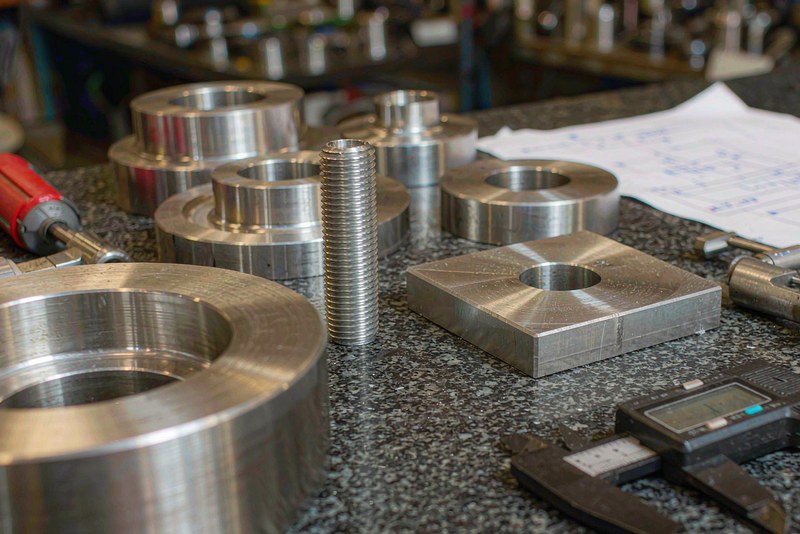
If the stakes justify it, ask for a short live video of the operation running, or photographs of the fixture and first-off part. That is a normal request in production machining. When comparing CNC machining suppliers beyond piece price, responsiveness to these questions separates the two groups faster than any audit form.
What Changes When You Buy Through an Intermediary
The differences that matter are structural rather than moral. Process control sits with whoever runs the machine, so an intermediary has to relay your engineering question and relay the answer back, and each relay is a chance to lose a detail. Estimating is less grounded when the person quoting is not the person who will cut the metal. That shows up either as a padded price or as an optimistic one that unravels after the first setup.
Pricing carries an extra layer. The intermediary pays the machine shop and adds a margin, so the same physical work arrives at your desk at a higher number unless the intermediary can buy better than you can. Whether that premium is worth paying depends on what else comes with it: capacity matching, finishing coordination, consolidated shipping, and one invoice instead of four.
Accountability is the part buyers underestimate. When a non-conformance appears, the entity holding your purchase order is the one you deal with. If it does not run the process, root-cause analysis depends on information passed back from a third party. The issue can still be resolved properly, but the trail is longer.
Where an Intermediary Genuinely Adds Value
There is a real case for buying through an intermediary when your order is small, mixed, or awkward. A part that needs milling, turning, heat treatment, and a surface treatment involves four suppliers, four sets of paperwork, and a schedule that depends on someone owning the handoffs. Consolidating that into one purchase order with one delivery date is a service, not a markup on nothing.
The same logic applies to quantities below a machine shop's minimum, or to a first order placed without building a relationship from scratch. For a buyer without manufacturing experience on staff, having someone translate the drawing into a process route and flag the expensive features is worth more than the margin.
An intermediary becomes a liability when the buyer pays for coordination and receives guesswork instead. The test is whether the answers change when your requirements change. Outsourcing versus in-house CNC machining is the adjacent decision: what matters is where the process knowledge lives.
Contract Terms That Decide Whether It Matters
Much of the risk that gets attributed to intermediaries is really a contracting gap. A purchase order that names the drawing revision, the governing standard, and the inspection requirement removes the ambiguity before anyone can argue about it.
Terms worth pinning down in writing:
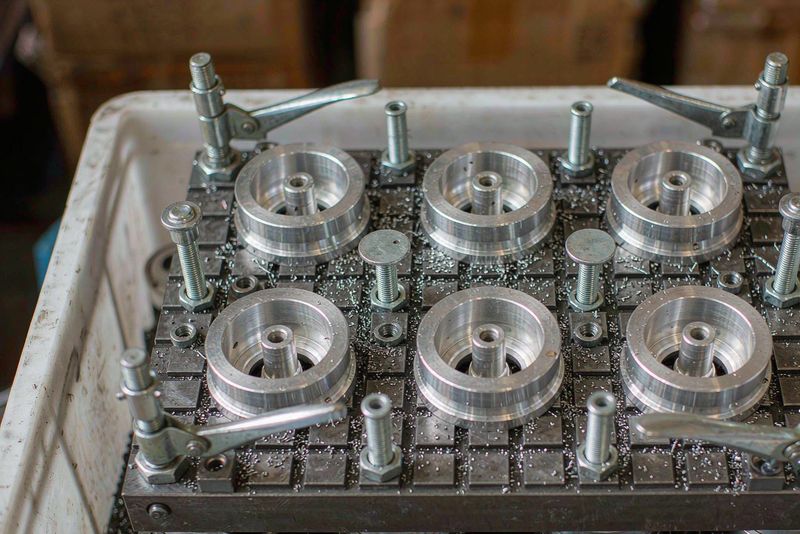
- Tooling and fixture ownership, including soft jaws and any fixture paid for on your order
- How design data is handled, under what agreement, and what happens to it when the project ends
- Material certificates and inspection records: who holds them, and for how long
- Who decides and who pays when a non-conformance requires rework or a remake
- Change control: no change of process, sub-supplier, or machine without written notice
A complete CNC machining RFQ asks for these answers before the price is agreed rather than after. Suppliers who resist documenting tooling ownership or change control are telling you something about how the order will actually be run.
A Practical Way to Run the Order
Start with a pilot quantity of the part that carries the real risk, inspect it properly, then scale. The step reveals more about the supplier than any amount of correspondence, because a team that cannot describe the setup will struggle to explain why the pilot part drifted.
Qualify a second source for critical parts before you need one. Require at least one inspection record per batch, even when you do not check every dimension yourself. Keep the agreed process route and fixture list on file, so a change of machine or sub-supplier is visible rather than silent.
Read trading company vs factory as a risk question rather than a label: how much of the process can you see, and who is accountable for it when something goes wrong. Answer those two, and the corporate structure of the supplier stops being the deciding factor.