
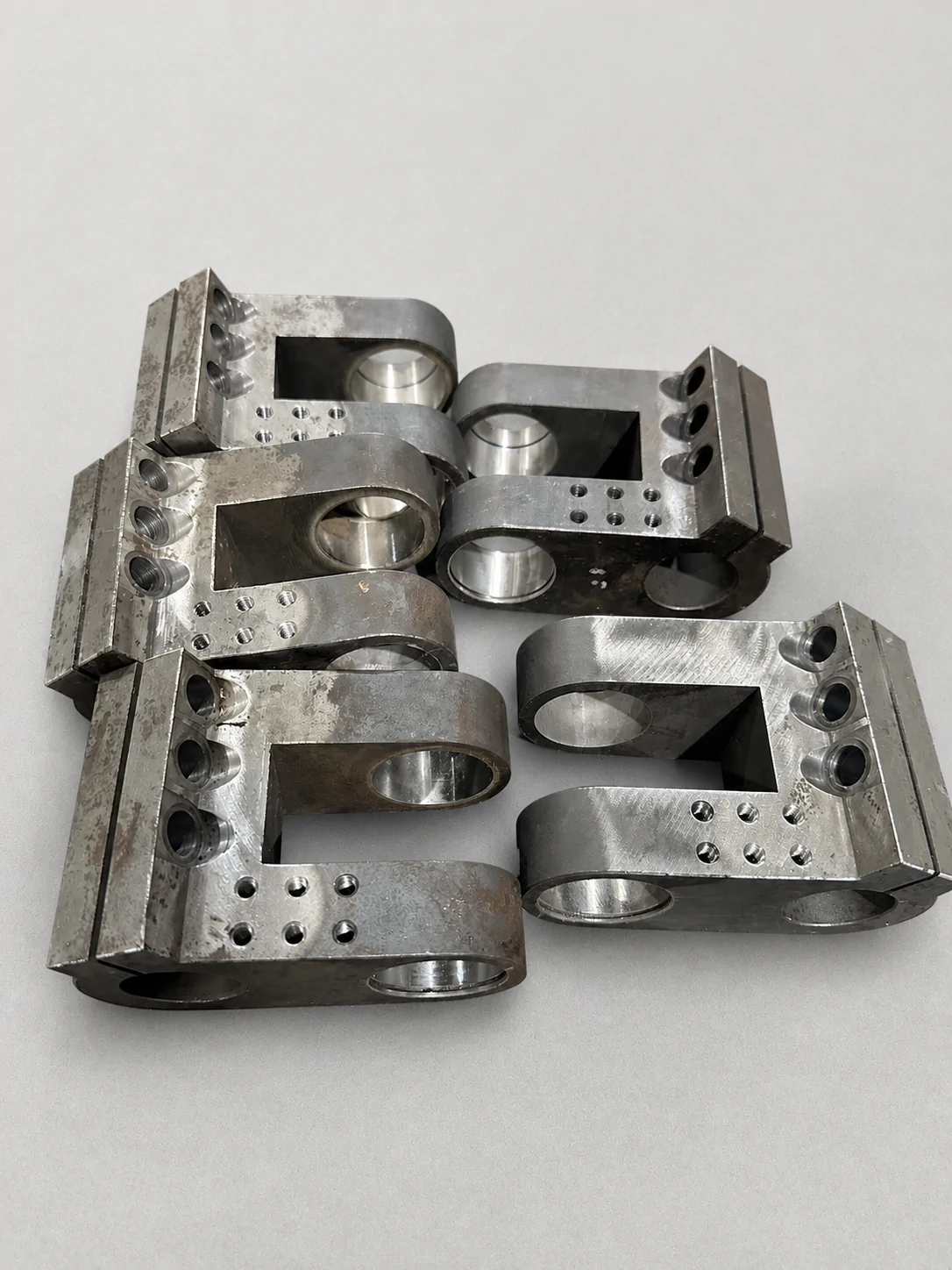
CNC machining cost by quantity usually falls when a larger order spreads preparation costs across more accepted parts. The decrease is not necessarily a fixed percentage, and it does not continue indefinitely. Material purchasing, fixture investment, release size, inspection, finishing, and inventory can change the shape of the price curve. A useful quantity comparison therefore asks what changes in the manufacturing plan at each break. This article explains how to request and interpret quantity pricing for industrial components without treating annual forecasts as firm orders or assuming that a prototype unit price predicts production economics.
How CNC machining cost by quantity actually changes
Quantity affects both cost allocation and process choice. Some work is required once for an initial release, some repeats whenever a batch starts, and some happens on every part. A larger order can spread the first two categories, but it cannot eliminate the third.
Programming a new part is different from setting a proven job on the machine. Both are different from cutting, deburring, and checking an individual component. If these activities are combined in one piece price, the quotation can still be valid, but the buyer should understand which elements are expected to recur.
This matters when a supplier prices five hundred pieces while purchasing intends to release fifty at a time. Ten separate releases may involve repeated setup, handling, inspection preparation, packaging, and administration. The annual total is the same, but the actual production and delivery arrangement may be very different.
Separate initial, batch, and per-part work
Begin with three cost categories rather than a single assumed machine rate. This is a buyer's comparison model, not a request for a supplier's confidential cost structure. Its purpose is to identify the decisions hidden inside a quantity break.
| Cost category | Examples | Question for the quotation |
|---|---|---|
| Initial preparation | Programming, fixture development, first route qualification | Which charges can be reused on the same revision? |
| Work per release | Machine setup, first-piece checks, batch handling | Is pricing based on one batch or multiple releases? |
| Work per accepted part | Stock consumption, cutting, deburring, agreed checks | What changes when the route or quantity changes? |
| Commercial arrangement | Storage, packaging, dispatch, payment conditions | Which services are included in the stated unit price? |
The categories can overlap in a real shop. A fixture may be modified after the first batch, and tool replacement may occur at intervals rather than once per part. Do not force an estimator into an artificial accounting scheme. Ask for enough explanation to compare the order conditions and understand what would trigger a revised price.
Read a simple quantity calculation correctly
A simplified example can show why early price breaks are often larger than later ones. Assume a hypothetical order has six hundred dollars of fixed preparation and eighteen dollars of variable work per accepted part. These figures are invented arithmetic inputs, not HongKe prices or market benchmarks.
| Accepted quantity | Preparation per part | Assumed variable cost | Modeled unit total |
|---|---|---|---|
| 20 | $30.00 | $18.00 | $48.00 |
| 100 | $6.00 | $18.00 | $24.00 |
| 500 | $1.20 | $18.00 | $19.20 |
The model uses unit cost equals fixed preparation divided by quantity, plus variable work. It excludes freight, taxes, financing, scrap allowances, outside-process minimums, and any change in manufacturing method. Its lesson is limited: spreading a fixed amount produces diminishing savings as quantity increases.
Real quotations can depart sharply from this curve. A new fixture may add cost at a particular quantity, then reduce handling on later parts. A material purchase minimum or finishing lot minimum can create a step. Ask why the proposed break occurs rather than assuming every curve should follow the same formula.
Recognize when quantity justifies a different route
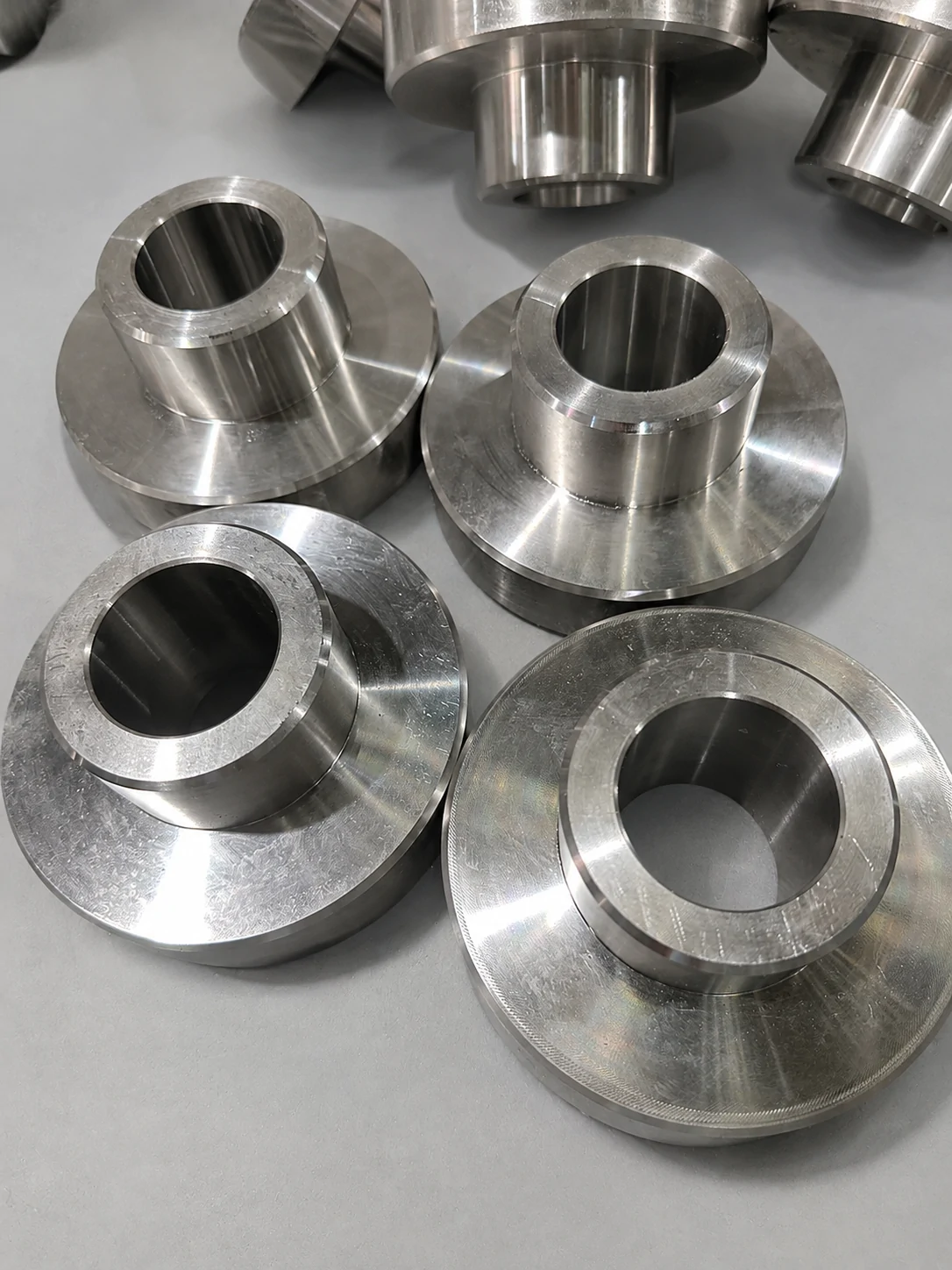
A larger order can make dedicated workholding or a different stock strategy worthwhile. The decision depends on the time saved, development cost, revision stability, and expected reuse. Quantity alone does not guarantee that a more automated or elaborate route is economical.
For a bracket, a dedicated fixture may locate the part more consistently and allow access to several features. For a sleeve, an available bar size and a suitable turning sequence may reduce preparation. For a housing, machining several identical blanks together may help handling while creating other concerns about tool access and part release.
Ask the supplier which route is assumed at each quoted quantity. If a fixture investment explains the lower unit price, clarify whether its charge is included, who owns it, and what happens after a drawing revision. The prototype versus production guide covers the process changes behind this transition; the purchasing question here is how those changes appear in the offer.
Annual volume is not the same as release quantity
A forecast describes expected demand. A release authorizes a defined quantity under agreed conditions. A supplier may offer favorable pricing against an annual commitment, but the operational and commercial conditions need to be explicit.
Compare three arrangements separately: one completed batch delivered at once, one completed batch stored for scheduled delivery, and repeated manufacturing releases. The first concentrates production and shipment. The second introduces storage and inventory responsibility. The third may repeat setup and inspection work while reducing finished inventory. None is automatically best for every component.
State who owns purchased raw material, work in progress, and finished goods under the proposed arrangement. Also identify what happens if demand drops or the design changes. An attractive annual-volume price can be poor value if it leaves the buyer committed to obsolete components. Evaluate the stock exposure directly rather than hiding it inside an assumed percentage discount.
Material and outside processing can create uneven breaks
Material purchases and finishing batches do not always scale smoothly with part count. Stock lengths, plate sizes, available forms, minimum quantities, and treatment lot requirements can cause a quotation to change in steps. Ask which constraint applies to the actual material and finish.
For a pocketed aluminum component, the purchased blank and workholding allowance matter more than the finished weight alone. For a turned component, bar utilization includes cutoff and gripping requirements. A different order quantity may improve utilization, but it may also require a larger material purchase than the immediate release consumes.
Finishing should be compared in the specified condition, including masking and inspection after treatment where required. The surface finish guide explains why functional and cosmetic requirements need separate definitions. If a supplier suggests combining releases into one treatment batch, confirm whether appearance, identification, storage, and final dimensions remain acceptable.
Inspection savings need an agreed basis
Inspection preparation may be spread across a larger batch, but per-part acceptance work remains where the agreement requires it. A lower quantity price should not silently replace an agreed inspection scope with a different one.
Ask whether the quotation assumes a first-article report, selected in-process checks, final sampling, or measurements on every part. Clarify the characteristics covered and the records retained. A report listing every drawing dimension on one sample is different from checking one critical bore on every component.
For a precision sleeve or locating block, inspection may involve a setup or gauge that can be reused. That can improve efficiency without changing acceptance. The quality control overview can help structure the discussion. Any sampling change should be agreed for the application's requirements, not inferred from the fact that a larger quantity was ordered.
Request quantity breaks that match real decisions
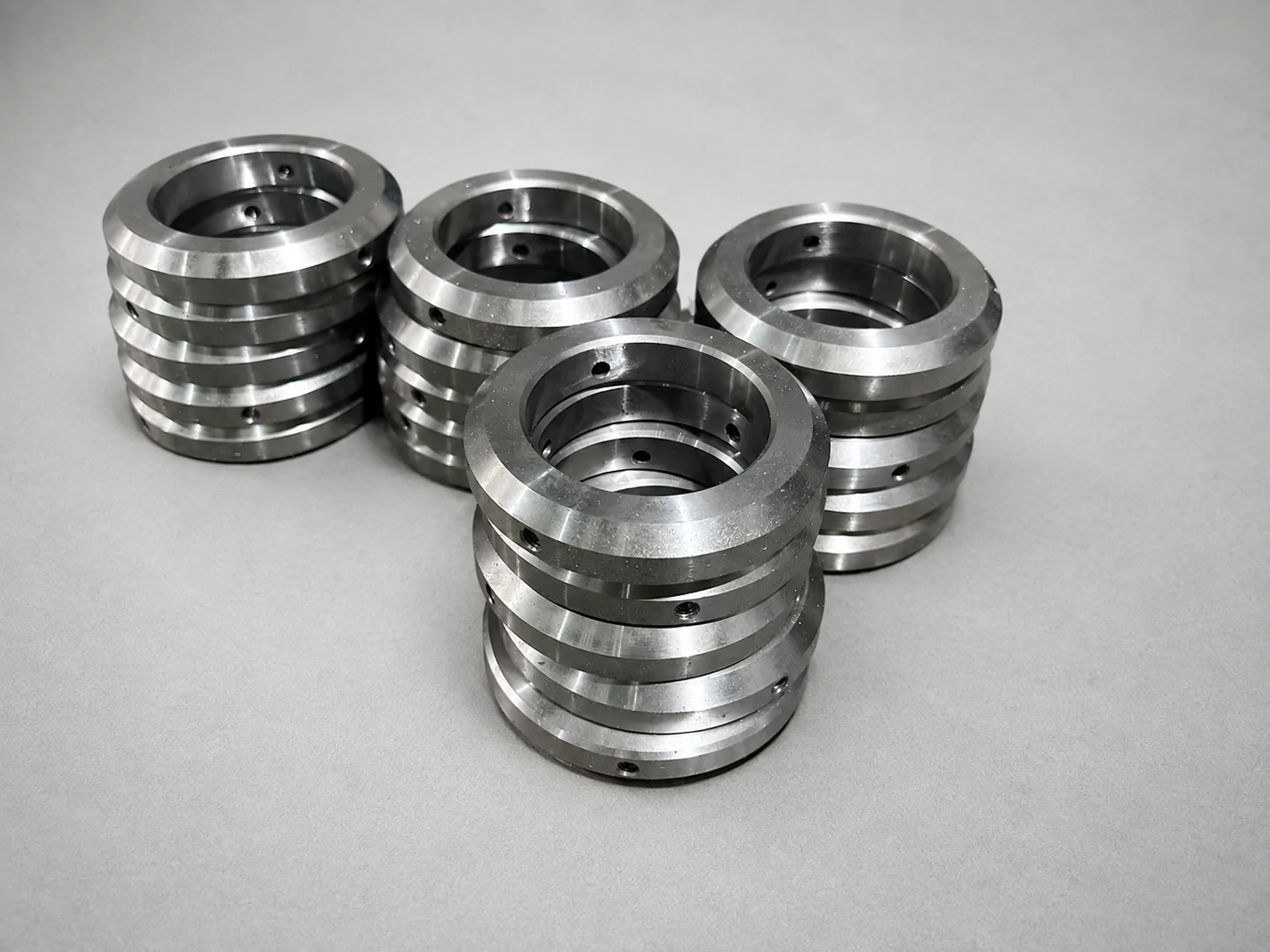
Choose quantities you could reasonably buy, then explain the likely release schedule. Three meaningful scenarios are more useful than a long table of arbitrary quantities. For example, request an initial evaluation quantity, the expected first production release, and a realistic recurring batch size.
Keep the technical package identical across the scenarios unless an alternate is intentionally being evaluated. Include revision, material condition, finish, critical features, inspection, packaging, and destination. Ask suppliers to identify one-time charges separately where practical and explain any route change associated with a price break.
Request the validity period and the assumptions that could require repricing. These may include material availability, design changes, release timing, or changed inspection obligations. The purpose is not to obtain an unconditional price for an undefined future. It is to make the current decision and its boundaries clear enough for both parties to act.
Decide when a larger order is actually cheaper
Compare the total committed cost and the quantity likely to be used, not just the invoice unit price. Additional inventory can create storage, handling, damage, financing, or obsolescence exposure. Those consequences depend on your business and should not be assigned made-up industry averages.
If demand is uncertain, calculate scenarios using your own forecast range and carrying-cost policy. If a revision is likely, identify the quantity that would remain usable after the change. Consider whether a smaller first release can close engineering questions before the rest of the material or finished inventory is committed.
The machining cost reduction guide addresses changes to the part itself. Combine that design review with quantity analysis only when the alternatives are separately documented. Otherwise, a lower price may appear to come from volume when it actually comes from a changed tolerance, material, or finish.
Frequently asked questions
Does doubling quantity halve the unit price?
No. Only costs spread across the order decline in that way under a simplified model. Material, cutting, handling, and required per-part checks remain. Route changes and minimum batch charges can also produce steps rather than a smooth discount.
Should repeat orders eliminate setup charges?
Not necessarily. A saved program or fixture may reduce initial development, while machine setup, verification, tool preparation, and first-piece inspection still recur. Ask which specific charges are reusable and which apply to each release.
Can I request annual-volume pricing without committing to it?
You can request a forecast-based scenario, provided the forecast is clearly distinguished from a purchase commitment. Ask what commercial conditions are required to maintain that pricing when actual releases differ from the forecast.
What is the best quantity for a first order?
Choose a quantity that addresses the project's engineering uncertainty and near-term demand. There is no universal optimum. Review the cost of a second setup alongside the consequences of carrying parts before their fit, finish, and documentation have been evaluated.
Put quantity and release timing in the same RFQ
Quantity pricing becomes useful when its assumptions match how you will actually buy and use the parts. For a project-specific comparison, send HongKe CNC the drawing and realistic release scenarios so material, workholding, finishing, and inspection can be reviewed together.