
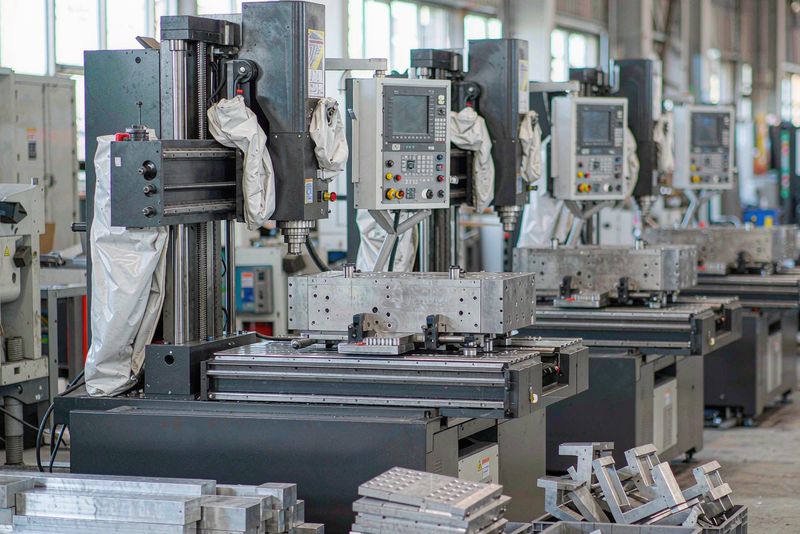
Ask five shops for a CNC machining lead time on the same part and you will get five answers that differ by weeks. That gap is not random, and it is rarely a matter of one supplier being faster than another. Lead time is a sum of separate clocks, and most of them are set by decisions made before the first chip is cut. Knowing which clocks you control is what separates a date you can plan around from a date you have to hope for.
What a Lead Time Quote Actually Measures
The first thing to pin down is what the number refers to. A quote of "three weeks" can mean three weeks from purchase order, three weeks from drawing release, or three weeks of machine time with everything else excluded. Those are different commitments dressed in the same words.
Typical practice is to quote calendar time from purchase order receipt, assuming material and finishing are available. That assumption is where schedules slip. Ask for the breakdown instead: how long to source material, how long to program and set up, how long on the machine, and how long the parts sit waiting for finishing or inspection. A supplier who can answer that in detail is describing a process. One who cannot is offering an estimate shaped by workload.
Where the Calendar Time Goes
Splitting a quote into stages makes the real driver visible.
| Stage | What sets the duration | Whose decision |
|---|---|---|
| Quoting and clarification | Drawing completeness, open questions | Buyer and shop |
| Material procurement | Stock availability, cut-to-length, mill lead time | Buyer and shop |
| Programming and setup | Feature complexity, fixture design, first-piece proving | Shop |
| Machining | Cycle time, quantity, machine availability | Shop |
| Finishing coordination | In-house capacity or outside processor queue | Both |
| Inspection | FAI scope, measuring queue, documentation depth | Buyer and shop |
| Queue time | Work already committed to the same machines | Shop |
Queue time is the row buyers underestimate most. A part does not enter a machine the moment it arrives; it waits behind work promised earlier. Two shops with comparable equipment can quote weeks apart purely because one has a full book and the other does not — which is also why a shop that is quiet this month may be the slow one next month.
Why Two Shops Quote Different Lead Times
Beyond loading, several structural choices move the number.
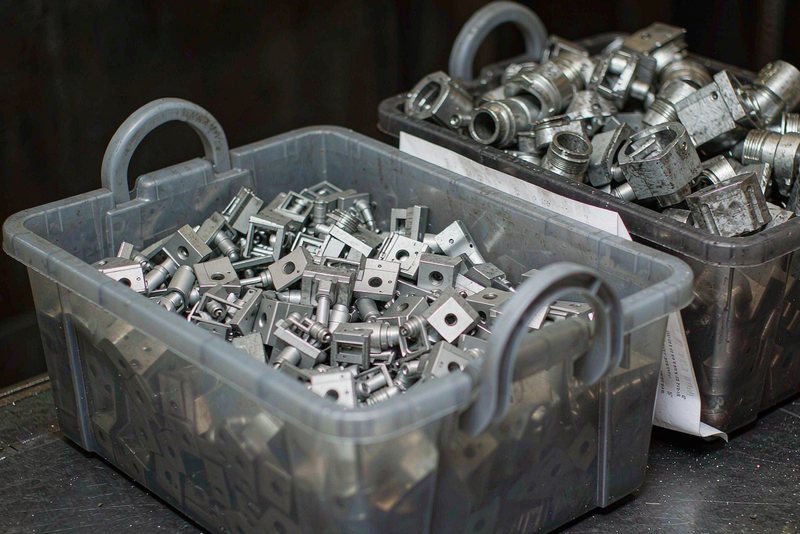
Does the shop hold common stock sizes, or buy material per order? Does it batch similar parts to share a setup, which shortens average turnaround but can park a small order until a companion job appears? Is finishing handled under the same roof or coordinated with an outside processor, adding a second queue?
None of these are quality problems. They are business models, and they produce different schedule behavior on an identical drawing. The same reasoning explains why quotes from two suppliers rarely match on price.
Material Availability Is Often the Long Pole
For a simple part in a common aluminum or stainless grade, material is rarely the constraint; it is cut from stock on the shelf. The picture changes with a non-stock alloy, an unusual diameter, or a size ordered against a mill schedule.
When material is the bottleneck, buyers have a lever they often leave unused: supply it themselves. Buyer-supplied stock removes the procurement stage, but it shifts risk. If it arrives undersized, out of condition, or short, the shop cannot cut the part and the schedule absorbs the delay. Agree the exact form, temper and oversize allowance before ordering, not after.
Specification Choices That Quietly Add Days
Lead time is partly designed in. A handful of drawing decisions extend schedules more than their cost impact suggests.
- Tolerances tight enough to require a second operation, a controlled environment, or verification by a separate operator.
- Surface finish callouts that need hand work after machining instead of coming off the cutter.
- Coatings and treatments that require outside processing and a return trip to the shop.
Each is legitimate when the function requires it. The problem is specifying them by habit rather than by need. If a tolerance or finish is not tied to a function, loosening it is one of the few ways to shorten a schedule without paying a premium.
Setup, Fixturing and First-Piece Approval
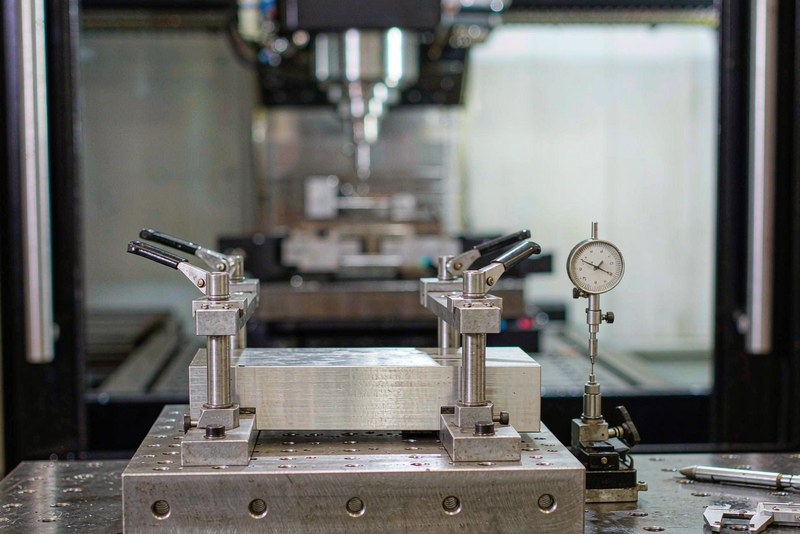
Setup is fixed time. It does not shrink because the order is small, and on a one-off part it can exceed the machining time itself.
First-piece approval adds a second gate. If your drawing or quality plan requires a first article inspection submission before production runs, that review sits on the critical path. Preparing the report takes shop time; reviewing it takes yours. Buyers who turn an FAI around within a day rather than a week get parts back sooner at no extra cost.
For repeat work, the fixture and program carry over, so the second order usually runs in a fraction of the time. Price breaks by quantity follow the same logic.
How to Shorten Lead Time Without Buying Expedite
Most of the available acceleration is administrative rather than industrial.
- Freeze the drawing before the order. Every engineering change after release restarts part of the clock.
- Send a complete, unambiguous request for quote the first time, so quoting does not become a week of questions.
- Specify tolerances and finishes by function, not by default, and accept standard stock sizes where the design allows.
- Ask whether the first article can ship ahead of the production balance, and whether partial shipments help.
- Ask what the quoted figure assumes, and what would push it out.
None of these require a premium. Expedite fees buy priority against other jobs; the items above remove work from the schedule altogether.
How to Read a Lead Time Promise
Before accepting a date, get five answers. Is the number in calendar days or working days? Does the clock start at purchase order or at drawing approval? Does it include finishing and inspection, or stop at the machine? What events restart or extend it? And is the figure a reserved capacity slot, or an average across a year?
A supplier who answers all five is not automatically faster; it is predictable, and predictable is what makes a schedule hold. For the groundwork behind both price and lead time, what to include in an RFQ covers the inputs worth settling first.