
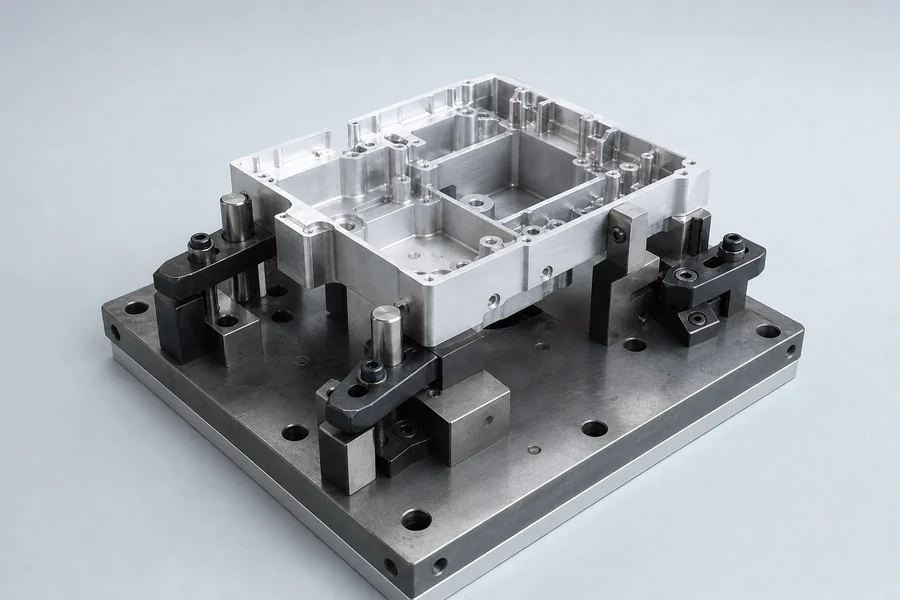
Why CNC machining quotes vary usually comes down to different assumptions about the work, not just different hourly rates. Two suppliers may price the same model while allowing for different stock, setups, inspection, finishing, delivery conditions, and quantities. A useful comparison first makes those assumptions visible. Then you can decide whether the price difference reflects a better manufacturing route, a different scope, or an unresolved risk. This article explains how to reconcile competing quotations for an industrial component without demanding confidential shop calculations or assuming that either the lowest or highest offer must be correct.
Why CNC machining quotes vary even for the same file
A CAD file describes geometry, but it does not necessarily define the complete order. Missing commercial and technical requirements leave each estimator to choose a reasonable interpretation. Those interpretations can produce different prices before either supplier starts optimizing the machining route.
Consider an aluminum housing with a bored bearing seat, side holes, and an anodized exterior. One quotation might include masking the bore, measuring it after finishing, and protecting it individually during shipment. Another might include standard anodizing and dimensional checks before treatment. Both can appear to cover an anodized housing, yet the delivered obligations differ. The first question is which conditions the assembly actually needs.
Start with a comparison sheet containing the part number, drawing revision, model revision, exact material and condition, quantity per release, required finish, inspection deliverables, packaging, and delivery basis. Ask suppliers to confirm or correct it. This is more productive than asking why one company is expensive: it creates a shared definition of the product being purchased.
Separate differences in scope from differences in efficiency
Scope differences should be resolved before price negotiation. Efficiency differences can remain because shops legitimately use different equipment, fixtures, programs, and production sequences. You do not need identical manufacturing methods to receive conforming parts.
| Quotation difference | What it might mean | What to clarify |
|---|---|---|
| Material described only as aluminum | Grade or stock condition is assumed | Exact material designation and permitted substitution |
| One offer includes a separate fixture charge | Dedicated tooling is being purchased or developed | Ownership, reuse, storage, and revision conditions |
| Inspection is described as standard | Report content and sampling may differ | Characteristics, method, quantity checked, and records |
| Finish is listed without masking notes | Mating features may receive treatment | Surfaces to treat, protect, and measure afterward |
| Freight is absent from one offer | The delivery scope is incomplete | Named destination, shipment size, and included charges |
An efficient route may genuinely remove handling or reduce machine occupancy. It should not require quietly relaxing a functional requirement. If a supplier proposes changing a corner radius or a noncritical tolerance, treat that as a separate engineering alternative. Keep the original requirement and proposed revision visible until the authorized drawing owner accepts the change.
Understand the route before comparing hourly rates
An hourly rate matters only alongside the operations charged at that rate. A more expensive machine can be economical when it removes fixtures or reaches several faces in one clamping. A simpler machine can be economical when the part is easy to hold and the extra axes do not remove meaningful work.
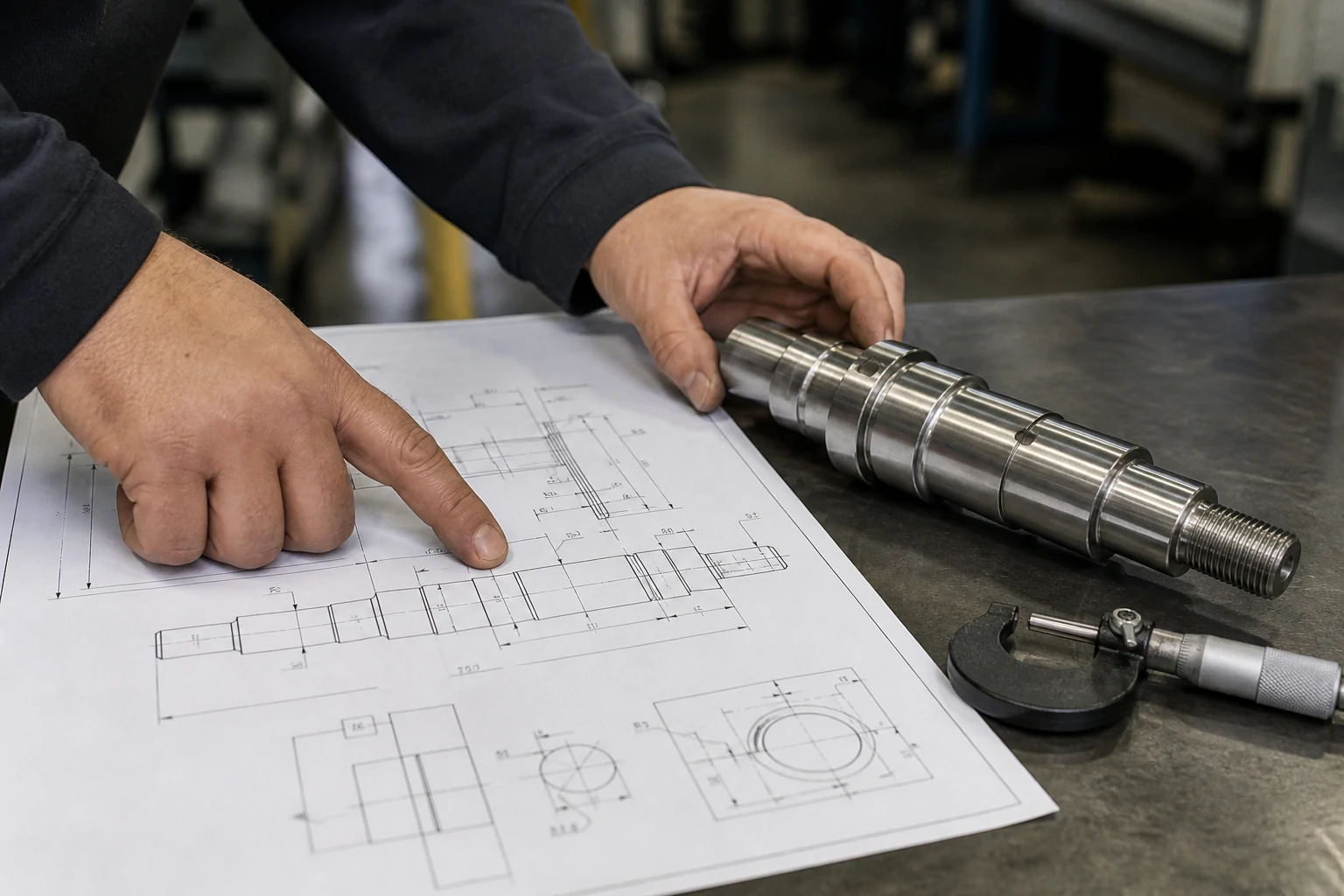
For a turned sleeve, bar preparation, roughing, finishing, cutoff, deburring, and checking the bore may dominate the route. For a rectangular bracket, stock preparation, pocketing, side drilling, reclamping, and edge finishing may matter more. Ask for a short route description with the important handoffs, not an unrestricted copy of a supplier's manufacturing program.
The existing CNC milling versus turning guide helps identify the geometry that drives this choice. During a quotation comparison, use that information to ask whether both offers account for the same secondary features. A rotational part with a cross hole is not complete merely because the lathe operation is inexpensive.
Ask where one-time costs have been placed
Programming, custom workholding, and initial process development may be charged separately or spread across the unit price. Neither approach is inherently wrong. The important issue is what happens when quantity, revision, or reorder timing changes.
Suppose one supplier lists an initial setup charge and another lists only a piece price. Multiplying both piece prices by the order quantity will not produce comparable totals unless the separate setup is added. Conversely, adding an assumed setup charge to an offer that already includes it would double count that cost. Ask for an all-in order subtotal on the agreed scope, then identify which charges could recur.
A repeat order may still need machine setup, tool replacement, inspection preparation, or fixture verification. Reusing a program does not mean every future setup disappears. Ask which costs are reusable, which recur for each release, and what revision would invalidate a previously purchased fixture. Record the answer in the quotation comparison rather than relying on an informal promise about cheaper reorders.
Inspection differences can explain a large price gap
Inspection is work with its own preparation, handling, equipment, and documentation. A quote for checking selected dimensions is different from one that requires a complete dimensional report on every component. The right requirement follows the part's function and purchasing agreement.
For a locating block, bore size may be easy to measure while the relationship between that bore, a mounting face, and a pin pattern requires a different setup. A single tight dimension can therefore create more work than several ordinary dimensions. The number of drawing callouts alone is a weak way to estimate inspection effort.
Define the critical characteristics, finished condition, datum interpretation, inspection timing, and required evidence. The quality and inspection overview explains the kinds of information that support this discussion. Do not replace a missing inspection plan with a request for an impressive equipment list: owning a measuring device does not tell you how a particular characteristic will be accepted.
Material and finishing assumptions need explicit boundaries
Material cost includes more than the mass left in the finished component. Available stock dimensions, minimum purchases, machining allowance, traceability requirements, and material removed from pockets can affect the quotation. A compact finished part may start from considerably larger stock because it needs secure workholding or because the specified form is not readily available.
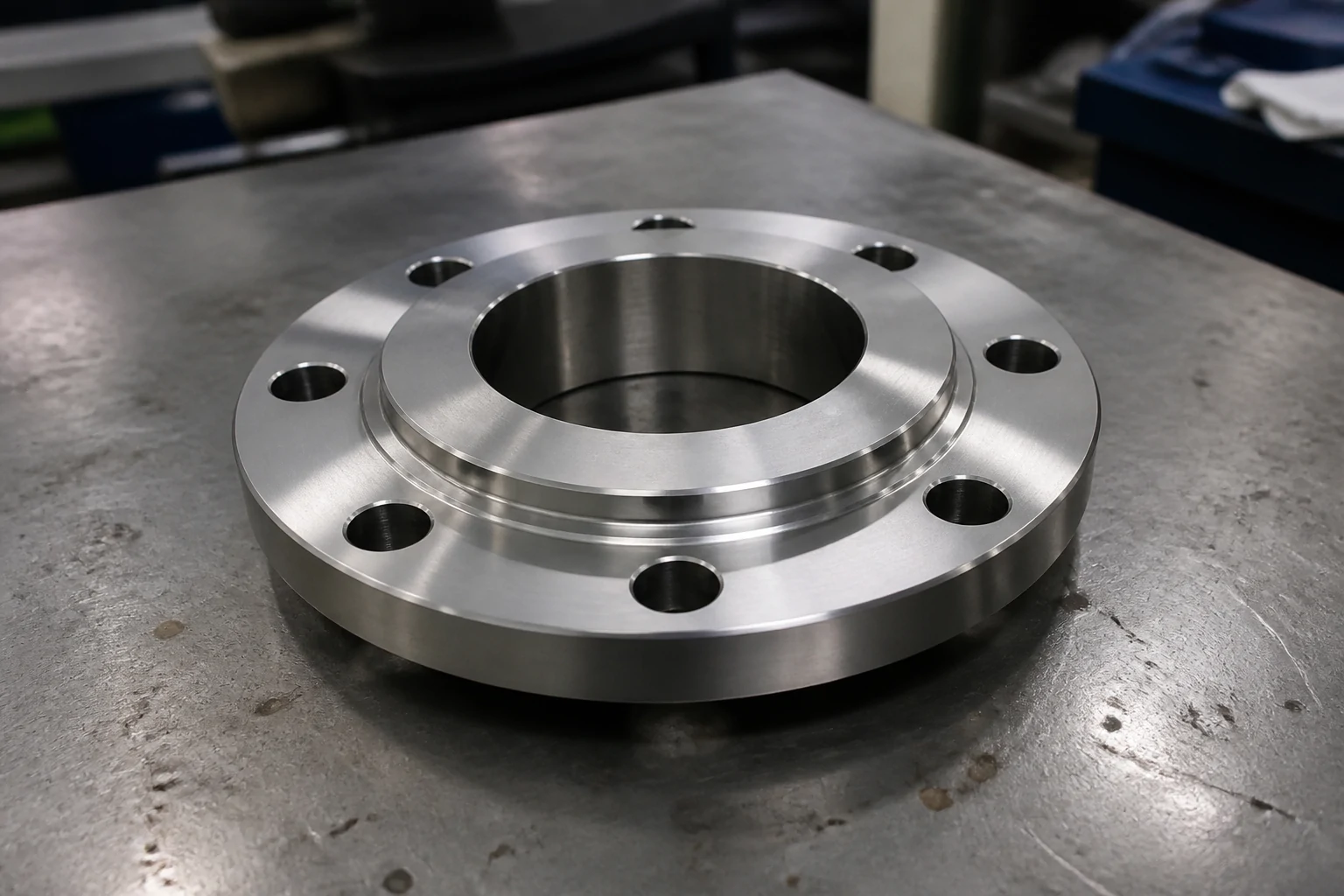
Finishing can add minimum batch charges, transport between processes, masking, handling, and inspection after treatment. Cosmetic requirements also need a definition. A supplier cannot reliably price an unspecified expectation that every visible face will have a uniform appearance regardless of machining direction or processing lot.
Use the surface finish guide to separate functional texture from cosmetic appearance. On the RFQ, identify visible surfaces, protected interfaces, permitted handling marks, and any approved reference sample. If a quotation proposes an alternate finish, compare it as an alternate rather than treating it as compliance with the original finish callout.
Compare delivery assumptions without inventing certainty
A shorter requested schedule can change the planned route or the amount of coordination required. It does not automatically mean the supplier is making a higher margin. Material availability, outside finishing, inspection workload, and shipment consolidation can each affect the promised date.
Ask what starts the lead-time clock. It may depend on receiving the purchase order, payment, approved drawings, confirmed material, or resolution of an engineering question. Also distinguish completion at the supplier from arrival at your facility. Two quotations can show the same number of days while describing different milestones.
If a delivery date is essential, request a short sequence of dependencies: material release, machining, finishing, inspection, and dispatch. You do not need a minute-by-minute schedule. You need to know which unresolved decision could move the date and who is responsible for closing it. Keep expedited shipment as a separate assumption unless it is explicitly included.
Reconcile a quotation in three passes
First, normalize the order. Send every supplier the same controlled package and ask them to state exclusions. Resolve mismatched revisions, quantities, material conditions, finish requirements, and delivery terms before ranking the totals. Keep a dated clarification log so a revised quotation can be linked to the answer that changed it.
Second, isolate engineering alternatives. Put suggested tolerance changes, alternate stock, and different finishes in a separate column. Ask what each change saves operationally and what function it might affect. Only the authorized engineering owner should accept a drawing change. Procurement should not accidentally create a new specification by choosing a cheaper offer.
Third, compare the conforming commercial offers. Include one-time charges, recurring release charges, agreed inspection, packaging, and transport scope. Record remaining uncertainties instead of assigning them an invented dollar value. If an uncertainty is too important to price credibly, close it before awarding the order or establish a clearly bounded first-article decision.
Questions to ask when an offer is unusually low or high
An outlier deserves a focused clarification, not an accusation. A low offer may reflect efficient workholding, available stock, or a missing operation. A high offer may reflect a conservative route, demanding inspection assumptions, or a mismatch with the supplier's usual work.
Useful questions include: Which requirements remain assumed? Which operations drive the price? Is the finish included in the dimensional acceptance condition? Does the first order pay for reusable workholding? What changes at the next quantity break? These questions let the supplier explain the offer without disclosing proprietary rates or margins.
Treat the quality of the answer as decision evidence. A specific explanation tied to the drawing is more useful than a blanket statement that the work is difficult. An unresolved contradiction between the written quote and its clarification should be corrected in the commercial document before purchase.
Frequently asked questions
Should I reject the lowest CNC machining quote?
No. Confirm that it covers the required scope, route dependencies, and acceptance conditions. A low price can be legitimate. The concern is an unexplained omission or assumption, especially one that would be discovered only after machining or finishing.
Do suppliers need to disclose their hourly rates?
Not necessarily. An operation summary, clear inclusions, and a complete order total can support a useful comparison without exposing internal costing. Rates alone do not show how many setups, minutes, or inspection steps the part requires.
Can I use a prototype quotation to predict production pricing?
Only cautiously. Production quantity may justify different workholding, stock purchasing, and inspection arrangements. Request a quotation for the intended release quantities and requirements instead of extrapolating the prototype price with an assumed discount.
What should I do if the model and quotation notes disagree?
Pause the affected requirement and resolve the discrepancy in writing. Confirm the controlling revision and issue an updated offer if necessary. A purchase order referencing ambiguous documents can preserve the disagreement instead of settling it.
Make the next RFQ easier to compare
A useful quotation comparison ends with a clear scope, accepted alternatives, and an understandable order total. For a drawing-specific review, send HongKe CNC your controlled files and purchasing requirements with the material, quantities, finish, critical features, and required delivery milestone.