
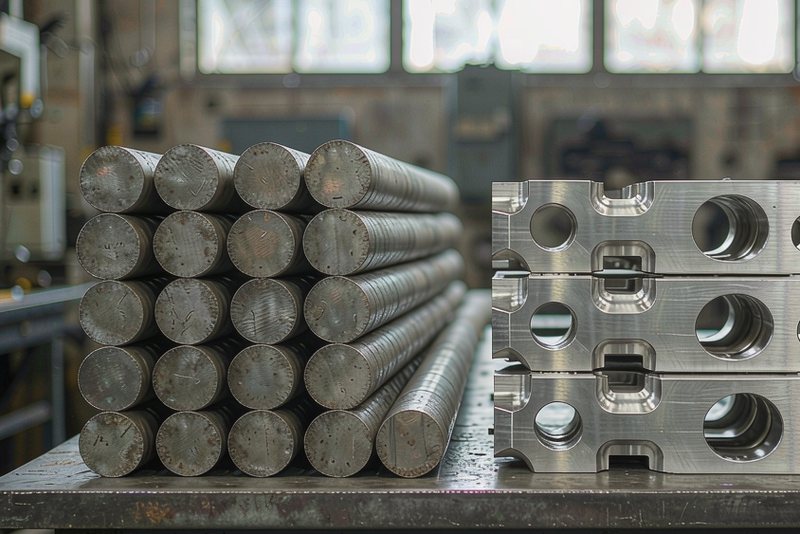
CNC machining quote validity is the period during which a supplier's price still stands, and it is usually the shortest commitment in the purchasing file. A quote can be accurate the day it is issued and wrong two quarters later without anyone acting in bad faith. The number was built from a material cost, a process route and an outside-processing estimate, and each of those has its own expiry. Knowing which inputs the supplier actually froze tells you how much of the figure you can plan against.
What CNC Machining Quote Validity Actually Covers
Most quotes carry a line reading "valid 30 days" and nothing else. That single number hides three separate commitments: the material price, the shop's machining rate, and whatever the outside processors charge. A supplier may hold the machining rate for six months and refuse to hold aluminum for six weeks. Unless the document says which line is firm, the validity date is decoration.
The practical question is not how long the quote lasts but which inputs it pins. When a quote expiration date falls before your planned PO, you are not comparing prices any more; you are comparing two different guesses about the metal market. A quote that holds the machining element for ninety days and passes material through at the price of the day is more honest than one that silently doubles the metal allowance to cover the same window.
Why Machined Part Prices Move After the Quote
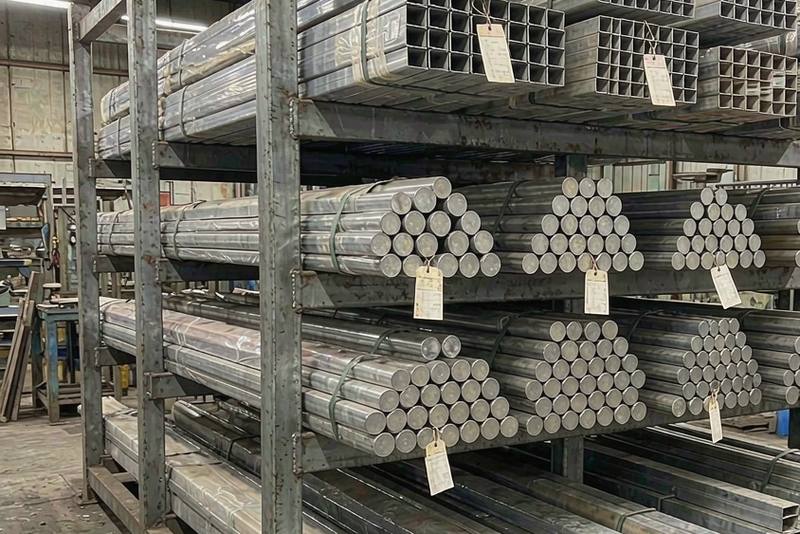
Material is the volatile input. Bar, plate and castings are bought against mill and service-center quotes that shift with the market, and the shop buys at order release, not on the day it quoted. Place the order three months later and the shop is exposed to whatever the metal did in between. It has two honest options: price that risk in, or exclude material from the hold. The material selection guide is worth reading alongside a quote, because grade substitution is one of the quiet ways a price gets rebuilt.
Outside processing behaves the same way. Heat treat, anodizing and plating carry their own lead times and their own surcharges, and a shop that subcontracts them cannot freeze a cost it does not control. Machining hours move slowly by comparison, so a price that drifts is usually drifting for reasons unrelated to spindle time.
Three Ways a Settled Price Gets Reopened
There is more than one mechanism, and they carry different amounts of warning:
- A fresh quote. Common after a drawing revision, a volume change or a long pause. The supplier re-prices rather than adjusts.
- A material surcharge. Metal, energy or freight added at invoicing without reopening the base price.
- An index clause. A formula that moves the price with a published index between a base date and the shipment date.
| Mechanism | When it shows up | What you can still control |
|---|---|---|
| Fresh quote | Scope or volume changed | Freeze the scope, ask what changed |
| Material surcharge | At invoice, after the fact | Require notice and a stated basis |
| Index clause | On a schedule, both directions | Index, base date, threshold |
The third one is the mechanism that can be made predictable, which is why it is worth the negotiation effort.
What a Price Adjustment Clause Should Pin Down
If you accept index-linked pricing, sometimes called a price escalation clause, six things belong in writing: the exact index and who publishes it, the base date and base value, a threshold below which no adjustment applies, the review frequency, the notice period, and whether the clause moves in both directions.
That last point decides whether the clause is a hedge or a one-way option. A clause that only travels upward does not protect you from volatility; it transfers volatility to you. Symmetry is also what makes the clause defensible to a supplier's finance team, so it is more negotiable than it first appears. A clause with no threshold is worse than no clause, because every small index movement becomes an invoice conversation.
Match Validity to How You Release Orders
The validity you need depends on the gap between award and shipment. If you release monthly against an annual forecast, a blanket order with scheduled releases gives the shop a reason to hold a price that a one-off quote cannot support. If you buy material up front or hold consignment stock, you have removed the volatile input and can ask for a longer price hold on the conversion cost.
Volume assumptions matter here too. Price breaks that were quoted for a large annual quantity often assume a single material buy, and cost by quantity explains why releasing in small lots changes the arithmetic even when the total is unchanged.
What to Compare Before You Award
Two offers with different validity windows are not comparable, even at an identical piece price. Convert both to the same delivery month, state whether material is included, and note currency and delivery terms. A price that excludes freight and duty is not the number you will pay, which is the argument for building a landed cost per part before ranking suppliers.
Where one shop is cheaper because it assumed a metal price from six weeks ago, it is not cheaper; it is a different bet. Comparing offers on scope, route and stated assumptions is what makes that visible, and the checklist in why quotes vary between suppliers applies directly to expiry dates as well.
Mistakes That Turn a Firm Price Into a Renegotiation
- Treating a verbal "we will hold it" as a commitment.
- Reading "price firm" as covering material when the quote excludes it.
- Accepting a clause with no threshold, so every index movement reopens the order.
- Letting the quote expire before the PO is issued, then negotiating from the weak side.
- Allowing a surcharge to appear on an invoice with no prior written notice.
- Assuming a longer validity window is the safer choice; a padded price to cover six months of metal is not free.
Quote validity is a snapshot of a supply chain, not a contract against the market. The buyers who avoid surprises asked early which inputs were frozen, for how long, and what happens when they move.